
Forty-five-year-old Rebecca Ezekiel is a farmer in the Song Local Government Area (LGA) of Adamawa State in North-East Nigeria. A wife of a farmer and mother of 10, Rebecca grows rice, soybean, maize, and groundnut, but she is not a mere farmer.
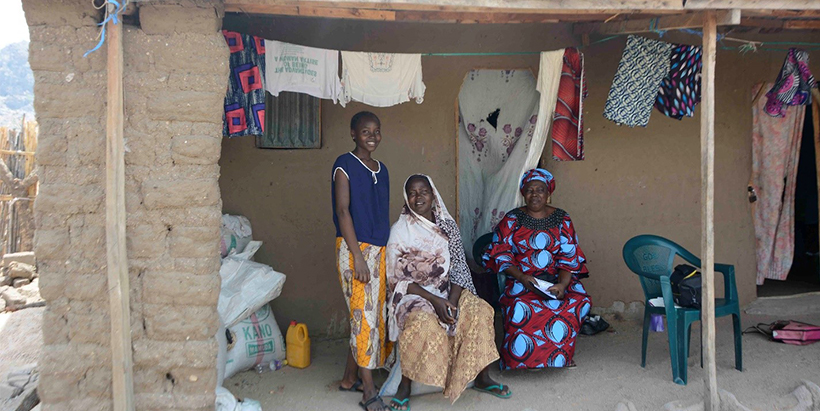
Having been trained in good agricultural practices (GAP) by the USAID-funded Feed-the-Future Nigeria Integrated Agriculture Activity (IAA), Rebecca put the training to good use in cultivating these crops. She paid particular attention to all GAP conventions, including using IAA’s improved seed varieties, correct fertilizer application, and spacing—a technique she was unfamiliar with.
“I have a big portion of land. I harvested so little whenever I planted, and I kept wondering what was wrong. IAA taught me how effective spacing would improve my yield. I was in the dark like many others, but IAA showed us the light. I tried all they taught us and was so surprised by how many bags I made,” Rebecca narrated.
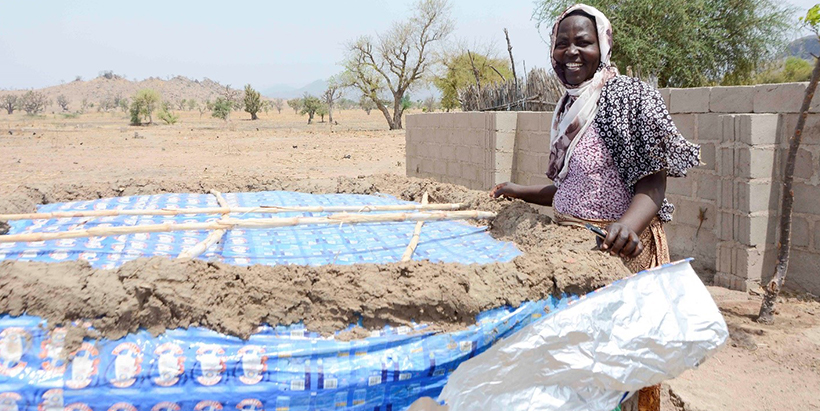
Rebecca harvested about 80 bags of rice, 20 bags of soybean, and five bags of groundnut. The total sale from the harvest amounted to about NG₦2 million (US$4,800), with which Rebecca was able to purchase a piece of land and build a house, one with a spacious compound just like she had always wanted. She has also been able to pay her children’s school fees, especially those in higher institutions.
Le IITA-implemented IAA continues to inspire economic recovery in North-East Nigeria following the devastation caused by the ongoing insurgency in the region. The Activity supports vulnerable populations in 12 LGAs of Adamawa and Borno states to re-engage in basic farming activities. IAA also aims to advance the objectives of inclusive and sustainable agriculture-led economic growth, strengthened resilience among people and systems, and a well-nourished population, especially among women and children.
Proposé par Joke Fayemi
Contribué par
Histoires récentes