Zimbabwe
APERÇU DU PAYS
Le Institut International d'Agriculture Tropicale travaille dans Zimbabwe to strengthen food security, improve agricultural productivity, and enhance rural livelihoods through research-for-development initiatives. As part of the Southern Africa regional strategy, IITA collaborates with government institutions, CGIAR centers, and development partners to scale climate-smart technologies, strengthen seed systems, and support inclusive agribusiness development.
Our work focuses on resilient crop systems, youth empowerment, advanced breeding technologies, and sustainable agricultural transformation.
Domaines d'intervention
Climate-Smart Agriculture and Crop Improvement
Promoting drought-tolerant and early-maturing varieties of maize, soybean, cowpea, and other staple crops to strengthen resilience and productivity.
Nutrition and Food Safety
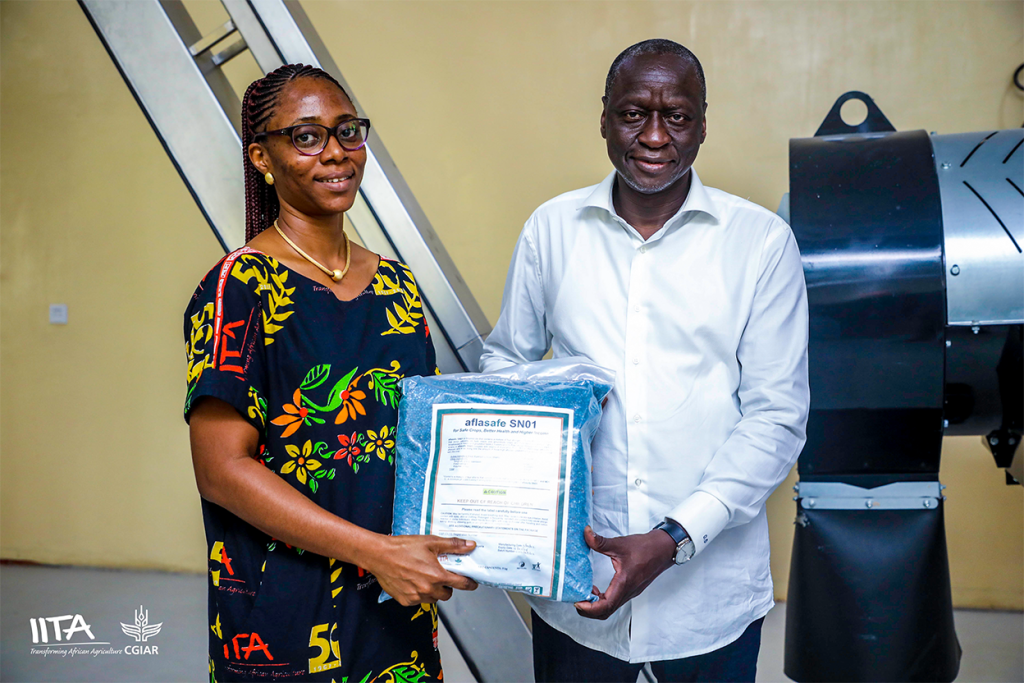
Promoting biofortified crops and aflatoxin management technologies to improve nutrition and food quality.
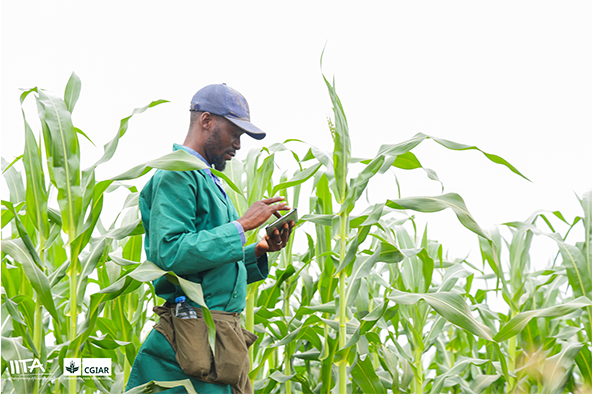
Digital and Advanced Breeding Technologies
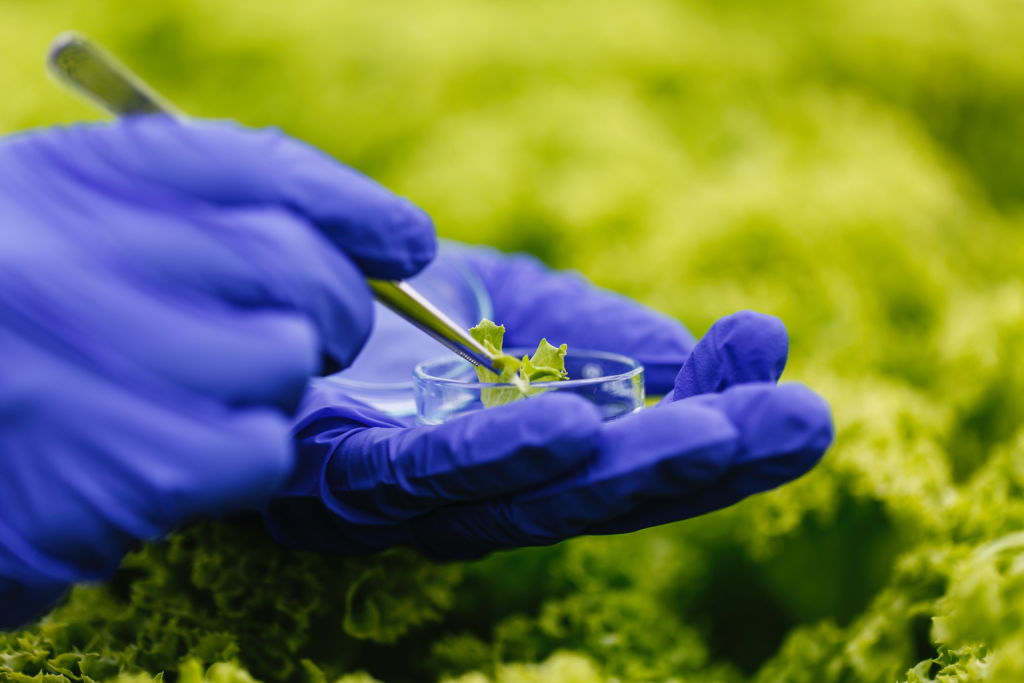
Deploying digital phenotyping, advanced variety trials, and modern breeding tools to accelerate crop improvement.
Les jeunes dans le secteur agroalimentaire
Empowering young people through agribusiness training, entrepreneurship development, and employment opportunities across agricultural value chains.
En vedette Projets
- Endroit : Côte d’Ivoire, Éthiopie, Kenya, Nigéria, Sénégal, Soudan, Tanzanie, Zambie, Zimbabwe
- Endroit : Kenya, Nigéria, Rwanda, Tanzanie, Ouganda, Zimbabwe
INNOVATION
Aflasafe™ Technology
Promoting biological control solutions that reduce aflatoxin contamination in maize and groundnut, improving food safety and market access.
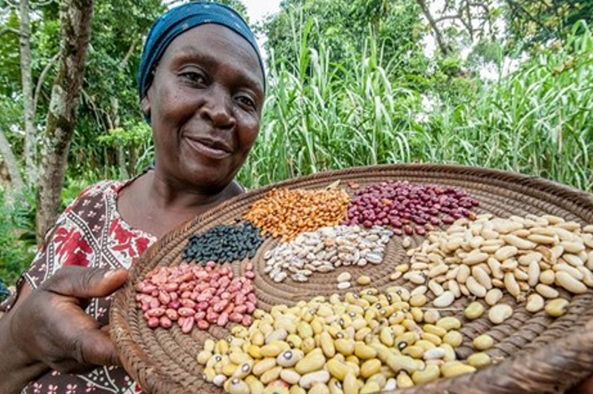
High-Iron Bean Technologies
Supporting the dissemination of nutrient-rich bean varieties to improve nutrition outcomes among vulnerable populations.
Variétés de cultures résilientes au climat
Deployment of drought-tolerant maize and improved legume varieties adapted to changing climatic conditions.
POINTS FORTS D'IMPACT
IITA is delivering growing impact in Zimbabwe by strengthening climate resilience, advancing crop improvement, and expanding opportunities for youth in agribusiness. Through partnerships and scalable innovations, IITA supports sustainable farming systems, improved productivity, and enhanced livelihoods for farming communities.
240+
youths trained in agribusiness and entrepreneurship
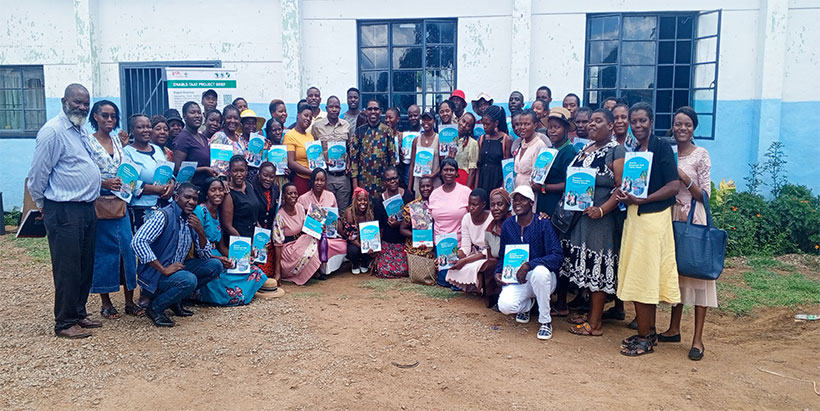
Through the ENABLE-TAAT initiative, young people in Zimbabwe have received training in agribusiness, financial management, marketing, and enterprise development.
Climate-resilient crop varieties strengthening food systems
Improved drought-tolerant maize and legume varieties are helping farmers adapt to climate variability and improve productivity.
Aflasafe™ technology improving food safety
Biological control technologies are helping reduce aflatoxin contamination in maize and groundnut production systems.
Advanced breeding technologies accelerating innovation
Digital phenotyping and advanced variety trials are strengthening crop breeding systems and improving technology deployment.
Participatory breeding approaches improving farmer adoption
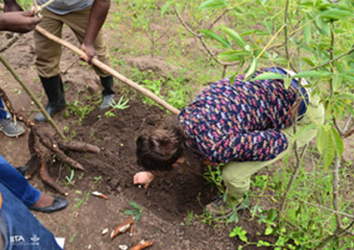
Collaborative varietal selection initiatives are enabling farmers to identify crop varieties suited to local conditions and market needs.
Regional partnerships strengthening agricultural transformation
Collaboration with institutions such as International Maize and Wheat Improvement Center (CIMMYT) and national partners is scaling agricultural innovations across Zimbabwe.
PARTENAIRES
L'IITA travaille dans Zimbabwe with government institutions, CGIAR centers, research organizations, and development partners to scale agricultural innovations and strengthen food systems.
- CIMMYT
- The Ministry of Lands
- Department of Research and Specialist Services (DR&SS)
- Community Technology Development Organization (CTDO)
Publications
Au-delà du changement climatique : le rôle de la gestion intégrée de la fertilité des sols pour pérenniser les rendements futurs du maïs en Afrique subsaharienne
Surface albedo and thermal radiation dynamics under conservation and conventional agriculture in subhumid Zimbabwe
Drivers of soil organic carbon stocks at village scale in a sub-humid region of Zimbabwe
Nouvelles Connexes
Voir toutes les nouvelles

Pourquoi le financement climatique doit s'attaquer aux pertes et au gaspillage alimentaires
Chaque saison des récoltes en Afrique, des quantités stupéfiantes de nourriture sont perdues ou gaspillées. Le Nigeria perd 45% de sa récolte de tomates de 3,9 millions de tonnes chaque année à cause des pertes après récolte et des inefficacités de la chaîne d'approvisionnement.

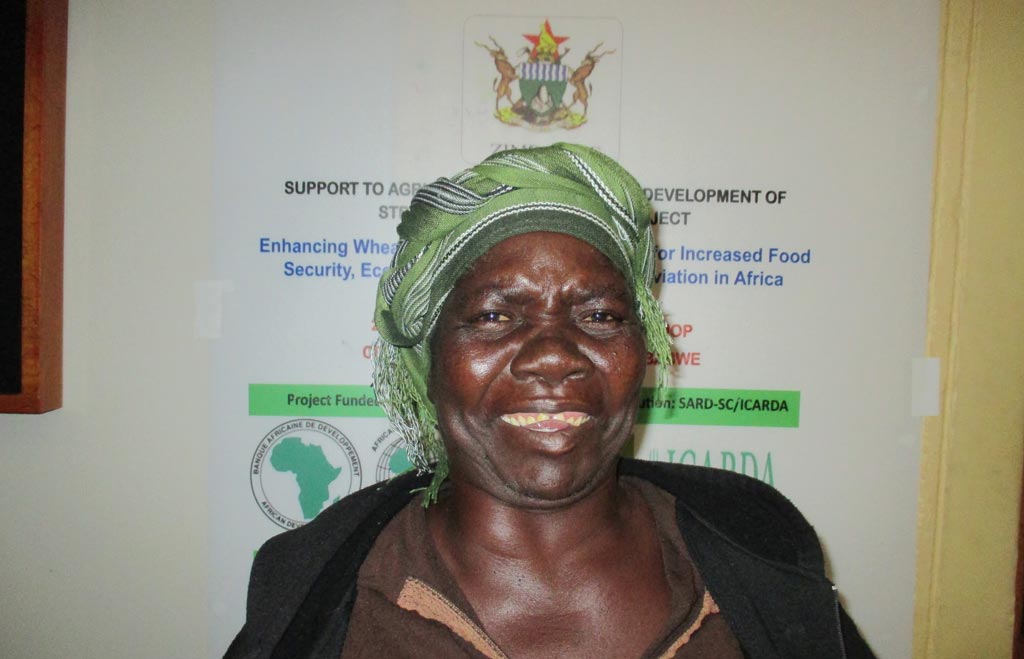
SARD-SC beneficiary declared best female wheat farmer in Zimbabwe
When Sabina Nyahuye, a wheat farmer from the Hwedza Innovation Platform of the SARD-SC Wheat

ENABLE-TAAT trains over 240 Zimbabwean youths, targets more African youth
The ENABLE-TAAT project of IITA has provided agribusiness training for no fewer than 249 youths
Voir toutes les nouvelles
MÉDIAS/RESSOURCES
Événements
Explorer les événements clés et
engagements
Photos
Highlights from field activities and impact.
Vidéos
Regardez des histoires d'innovation et de transformation