
Le DG et les scientifiques de l'IITA honorés pour leur contribution exceptionnelle au développement des cultures racinières en Afrique
31 mars 2017
Neuf scientifiques sur 10 honorés étaient des membres actuels ou anciens du personnel de l'IITA
Le Société internationale pour les plantes à racines et tubercules tropicaux - Branche Afrique (ISTRC-AB) a apprécié la contribution de 10 scientifiques, dont le Directeur général de IITA vers le développement des cultures de racines et de tubercules en Afrique. Cela s'est déroulé lors d'un dîner de gala organisé par la Société lors de son 13e Symposium triennal qui s'est achevé récemment à Dar es Salaam, en Tanzanie, du 6 au 10 mars 2017.
Le DG de l'IITA, Nteranya Sanginga, a reçu une reconnaissance spéciale pour son leadership exceptionnel et sa contribution au développement des cultures de racines et de tubercules en Afrique au cours des cinq années où il a dirigé l'Institut.
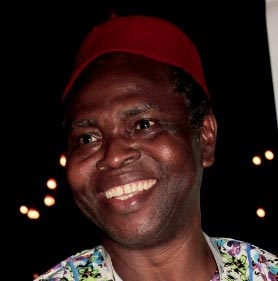
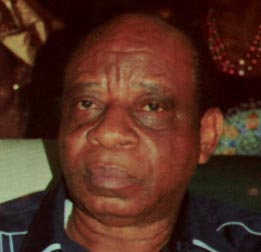
Les autres scientifiques de l'IITA qui ont reçu un prix d'appréciation de la part de la société sont les Directeurs pour l'Afrique de l'Est et de l'Ouest, Victor Manyong et Robert Asiedu, respectivement ; chef du plaidoyer et de la mobilisation des ressources Regina Kapinga; Alfred Dixon, directeur du Bureau du développement et de la livraison ; et représentant pays pour la République démocratique du Congo, Mahungu Nzola -Meso.A également été honoré le Lauréat du Prix mondial de l'alimentation 2016 et sélectionneur de patates douces du Centre international de la pomme de terre (CIP), Maria Andrade, et deux anciens employés de l'IITA, Mpoko Bokanga, le fondateur d'AgroTEQ, et Malachy Akoroda de l'Université d'Ibadan. Un prix de reconnaissance posthume a également été décédé à feu Kenneth Nwosu, ancien directeur exécutif de Institut national de recherche sur les cultures racinaires, au Nigeria. M. Manyong a reçu ce prix spécial au nom du directeur général de l’IITA.
Lors de la remise des plaques de reconnaissance, le président de la Société, Lateef Sanni, a déclaré que ces distinctions visaient à récompenser et à saluer le travail acharné et le dévouement des lauréats en faveur de l’amélioration de la production de cultures de racines et de tubercules telles que le manioc, la patate douce, la pomme de terre et l’igname en Afrique, contribuant ainsi à la sécurité alimentaire sur le continent.
M. Sanni a souligné que les chercheurs de l’IITA avaient collaboré avec leurs différents partenaires nationaux en Afrique pour mettre au point des variétés de manioc à haut rendement tolérantes aux deux maladies virales mortelles qui avaient failli anéantir cette culture — la mosaïque du manioc et la strie brune du manioc — et qu’ils s’étaient attaqués aux problèmes liés aux marchés et aux pertes post-récolte grâce à la valorisation et à la transformation.
“ Les travaux de l’IITA sur la lutte biologique contre la cochenille du manioc ― un ravageur qui avait dévasté les champs de manioc en Afrique ― ont permis de remettre cette culture à l’ordre du jour, tant pour les agriculteurs que pour les consommateurs. La mise au point et la diffusion de la pomme de terre à chair orange par le CIP et des variétés de manioc riches en provitamine A par l’IITA ont contribué à lutter contre la malnutrition sur le continent ”, a-t-il déclaré.
Le directeur général de l’IITA a souligné que les distinctions décernées aux membres du personnel actuels et anciens de l’IITA témoignaient de l’importance et de la contribution de l’IITA au programme de développement de l’Afrique.
Il a réaffirmé l’engagement de l’IITA à éradiquer la faim et la pauvreté en Afrique en transformant le secteur agricole du continent.
Félicitations à tous les gagnants !
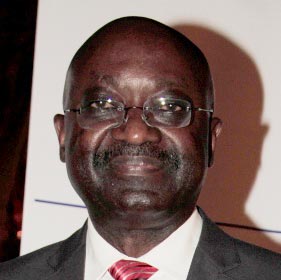
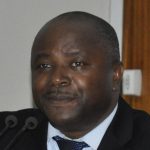 Nteranya Sanginga, Directeur Général de l'IITA. Avant de devenir DG de l'IITA, Sanginga a été Directeur de l'Institut de biologie et de fertilité des sols tropicaux (TSBF), basé à Nairobi, du Centro Internacional de Agricultura Tropical (CIAT-TBSF).
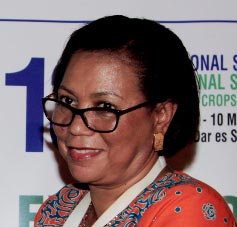
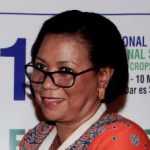 Maria Andrade est une obtentrice de patates douces qui travaille avec le CIP au Mozambique. Elle a 30 ans d'expérience professionnelle en Afrique, dont les 10 premières années passées en tant qu'agronome régionale spécialisée dans le manioc et la patate douce pour le Réseau de recherche sur les cultures racinaires d'Afrique australe, un programme géré conjointement par l'IITA et le CIP. Elle a mis au point 30 variétés de patates douces biofortifiées, dont 20 sont tolérantes à la sécheresse. Andrade siège également au conseil d'administration de l'Alliance pour une révolution verte en Afrique (AGRA) et a occupé pendant cinq ans le poste de vice-présidente chargée de la recherche de fonds pour l'ISTRC mondial. Elle est également l'une des lauréates du Prix mondial de l'alimentation 2016.
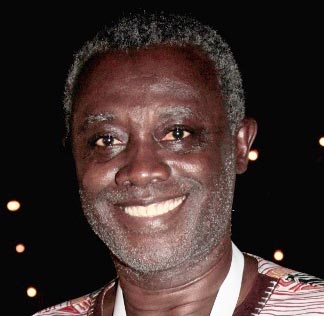
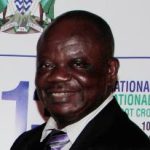 Victor Manyong est un économiste agricole travaillant pour l'IITA en tant que directeur pour l'Afrique de l'Est et basé au bureau régional de Dar es Salaam, en Tanzanie. Il est également le responsable du groupe de recherche en sciences sociales de l'Institut. M. Manyong possède environ 23 années d'expérience à l'IITA, travaillant dans divers domaines, notamment les études d'adoption et d'impact, l'économie de la production et des marchés, ainsi que la gestion de la recherche.
 Robert Asiedu est un phytogénéticien travaillant avec IITA en tant que Directeur régional pour l'Afrique de l'Ouest et responsable de la biotechnologie et de l'amélioration génétique à IITA. Les partenaires de recherche d'Asiedu ont officiellement lancé de nouvelles variétés d'igname basées sur le germoplasme amélioré de son programme, par exemple 18 variétés au Nigeria par le National Root Crops Research Institute et une au Ghana par le Crops Research Institute. Asiedu a été le président de l'ISTRC-AB de 2002 à 2004.
 Alfred Dixon (également connu par ses pairs sous le nom de “ Dr Manioc ”) est le chef de projet du Projet de gestion des mauvaises herbes du manioc et directeur du Bureau du développement et de la mise en œuvre à l'IITA. Il a exercé les fonctions de directeur général pionnier de l'Institut de recherche agricole de Sierra Leone (Sierra Leone Agricultural Research Institute) pendant cinq ans après avoir quitté l'IITA en 2008. Il a été le pionnier de l'amélioration génétique du manioc et, en collaboration avec des collègues des systèmes nationaux de recherche agricole (SNRA), et grâce à une combinaison d'approches conventionnelles et nouvelles, a développé plus de 400 cultivars de manioc améliorés pour une gamme d'agroécologies, de systèmes de culture ainsi que d'utilisations finales en Afrique.
 Mpoko Bokanga est le fondateur et actuel PDG d'AgroTEQ, un cabinet de conseil qui fournit une expertise technique et des évaluations de faisabilité de projets agro-industriels aux entrepreneurs privés et aux institutions de développement dans le secteur agroalimentaire. Auparavant, il a travaillé pour l'Organisation des Nations Unies pour le développement industriel (ONUDI) en tant que représentant au Kenya, en Érythrée et au Soudan du Sud. Il a également été le premier directeur exécutif de la Fondation africaine pour les technologies agricoles (AATF) et a dirigé le laboratoire de biochimie et de technologie alimentaire à l'IITA à Ibadan, au Nigeria, pendant 12 ans.
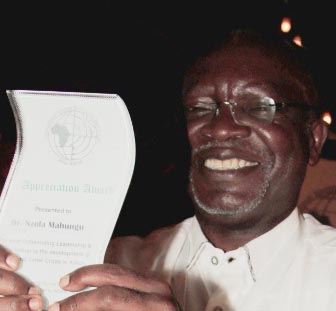
 Nzola-Meso Mahungu a travaillé pendant 21 ans pour l'IITA en tant que scientifique dans plusieurs pays africains, notamment en Tanzanie, au Malawi et en RD Congo. Il est actuellement le représentant pays de l'IITA en RD Congo. En tant qu'obtenteur de manioc, il a contribué de manière significative au développement de ressources génétiques ciblant diverses chaînes de valeur.
 Malachy Akoroda a rejoint l'ISTRC-AB en 1980, c'est-à-dire il y a 37 ans. Il a soutenu le développement des cultures de racines tropicales dans divers domaines à travers 42 pays et a représenté la région Afrique lors de l'Année internationale de la pomme de terre au Pérou et en Inde en 2008. Il a occupé le poste de 7e directeur exécutif de l'Institut de recherche sur le cacao du Nigéria (CRIN) à Ibadan. De 2004 à 2006, il a été le responsable de la sous-station de l'IITA à Onne, dans l'État de Rivers, au Nigéria. De 2000 à 2003, il a exercé les fonctions de président de la branche africaine de l'ISTRC ; et en novembre 2006 à Thiruvananthapuram [Trivandrum], au Kerala, en Inde, il a reçu de l'ISTRC mondial un prix pour l'ensemble de sa carrière en reconnaissance de ses services émérites rendus à la société au sein de l'ISTRC-AB. Il exerce actuellement les fonctions de vice-président chargé de la collecte de fonds pour l'ISTRC mondial.
 Regina Emilian Kapinga occupe actuellement le poste de responsable du plaidoyer et de la mobilisation des ressources à l'IITA. Elle est également le point focal du processus d'intégration des sites du CGIAR en Tanzanie. Avant de rejoindre l'IITA, elle a été agente de programme senior à la Fondation Bill & Melinda Gates, aux États-Unis, où elle était responsable de l'octroi et de la gestion des subventions pour le portefeuille des racines, tubercules et bananes (RTB). Auparavant, elle a vécu et travaillé en Ouganda au bureau régional du CIP-SSA en tant que sélectionneuse et agronome de patates douces pour la région de l'Afrique subsaharienne de 2001 au début de 2009.
 Kenneth Iheanyichukwu Nwosu (à titre posthume). Feu le Dr Sir Kenneth Nwosu a commencé sa carrière en 1975 en tant que jeune attaché de recherche au Département fédéral de recherche agricole, puis à l'Institut national de recherche sur les céréales (NCRI). De 1981 à 1992, Nwosu a été le chef de la station NCRI d'Uyo/Amakama-Olokoro et, de 1992 à 1997, il est devenu chargé de projet au NCRI pour le Projet national de recherche agricole (NARP) soutenu par la Banque mondiale. Par la suite, M. Nwosu a gravé les échelons pour devenir directeur adjoint (Planification) au NCRI et, en 2002, il a été nommé par le président d'alors, Olusegun Obasanjo, directeur exécutif de l'Institut national de recherche sur les cultures racinaires (NRCRI), à Umudike, dans l'État d'Abia, poste qu'il a occupé jusqu'en octobre 2011. Nwosu a fait sa triste sortie de ce monde le 14 juillet 2014.
Lauréats
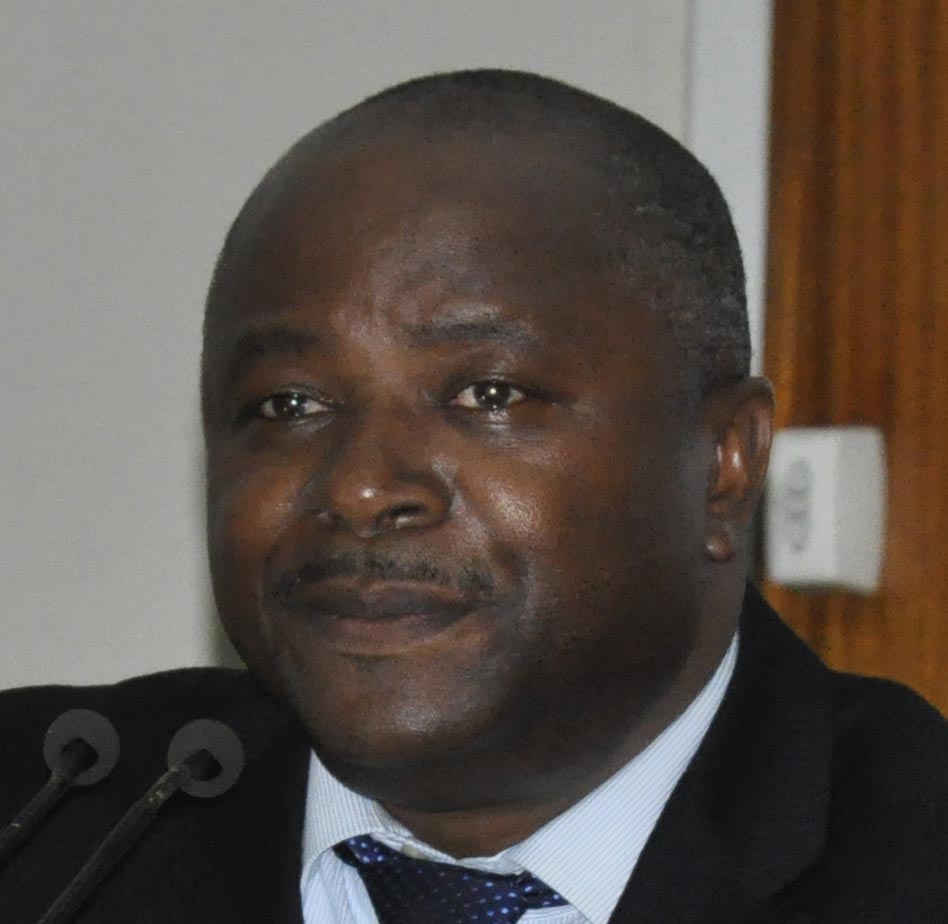



Contribué par
Histoires récentes
Aucun article trouvé