
Des chercheurs internationaux se réunissent pour discuter de l'amélioration de la production de bananes dans la région des Grands Lacs
10 mai 2016
Une équipe de chercheurs du monde entier s'est réunie cette semaine, du 2 au 5 mai, à l'Institut africain des sciences et technologies Nelson Mandela (NM-AIST) à Arusha, en Tanzanie, pour discuter de la manière de concentrer leur expertise combinée sur l'amélioration banane, une culture d'une importance capitale dans la région de l'Afrique de l'Est.
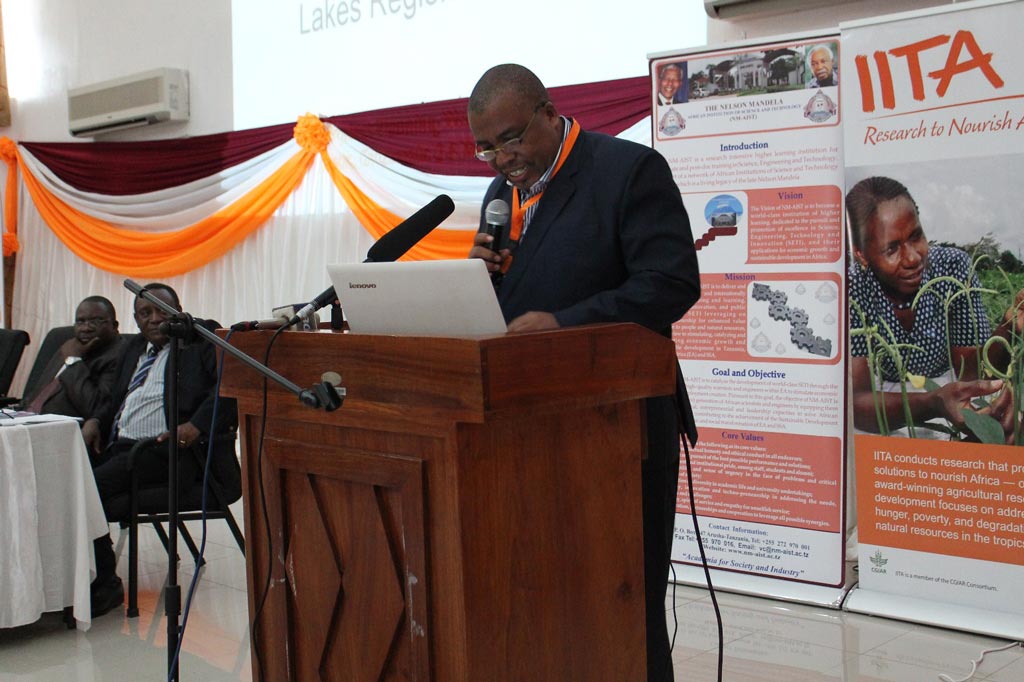 Les chercheurs — originaires d'Australie, du Brésil, d'Inde, de Malaisie, de Tanzanie, d'Ouganda, de Suède, de Belgique, d'Afrique du Sud et des États-Unis — mettent en œuvre un projet de cinq ans qui vise à améliorer la production et la productivité de la banane en Tanzanie et en Ouganda. Partout dans le monde, très peu de programmes se concentrent sur l'amélioration génétique du bananier et cette réunion rassemble des chercheurs de bon nombre de ces programmes.
Le projet vise à renforcer les programmes d'amélioration du bananier en Ouganda et en Tanzanie afin d'intensifier et d'accélérer considérablement les efforts en cours pour développer de nouvelles variétés hybrides à haut rendement et résistantes aux maladies. Il se concentre sur les deux bananes à cuire les plus populaires de la région :banane des hauts plateaux d'Afrique de l'Est (EAHB) également connu sous le nom de ‘Matooke, et ‘Mchare’ cultivées en Tanzanie.
Des millions de petits agriculteurs en Tanzanie et en Ouganda comptent sur la banane comme aliment de base et principale source de revenus. Ces deux pays produisent plus de la moitié de l’ensemble de la production bananière africaine, la récolte annuelle de la région étant estimée à $4,3 milliards. Cependant, en raison des ravageurs et des maladies, la récolte n’atteint qu’environ 9% de son rendement potentiel, ce qui constitue une menace sérieuse pour la pérennité future de la production bananière dans la région.
“L’équipe mettra au point des variétés hybrides présentant un rendement supérieur de 30% et une résistance accrue de 50% à au moins trois des principaux ravageurs et maladies par rapport aux variétés actuellement cultivées par les agriculteurs dans les mêmes conditions de culture. Les nouvelles variétés répondront également à la quasi-totalité des critères de qualité recherchés par les consommateurs dans les variétés actuelles ”, explique Danny Coyne, un spécialiste de la santé des sols à l'IITA et le chef de projet.
Les maladies sont Fusariose et Maladie des raies noires, et les ravageurs comprennent le nématode fouisseur et les charançons.
“ La banane est très importante en Tanzanie, mais elle est fortement attaquée par les ravageurs et les maladies. Grâce à ce projet, nous renforcerons les capacités de notre équipe de recherche pour développer de nouvelles variétés hybrides à haut rendement dont nos agronomes ont besoin ; nous aurons un système de sélection meilleur et plus dynamique à travers l'Afrique de l'Est qui pourra répondre aux défis actuels et futurs de la culture, en particulier maintenant face au changement climatique ”, déclare le prof. Patrick Ndakidemi, vice-chancelier adjoint, Planification, Finances et Administration et coordinateur du projet au NM-AIST.
Le projet permettra, entre autres, de former des étudiants de cycles supérieurs et du personnel technique aux techniques de sélection avancées et de faciliter l'échange de matériel génétique entre les pays et même les continents.
IITA pilote le projet avec des partenaires nationaux en Tanzanie et en Ouganda. Les activités de sélection régionales sont menées au NM-AIST à Arusha, en Tanzanie, en collaboration avec des instituts de recherche agricole dans les zones de culture du bananier, ainsi qu'au Programme de sélection du bananier de l'Ouganda de l'Organisation nationale de recherche agricole (NARO) à Kawanda, et à Sendusu à Kampala.
Les efforts de sélection antérieurs du NARO, en Ouganda, en collaboration avec l'IITA, ont permis de développer avec succès les tout premiers hybrides de bananiers EAHB qui ont été nommés Narita. Il existe actuellement 27 variétés NARITA, dont deux sont cultivées dans le cadre du programme 15% au sein des plantations de bananes en Ouganda.
Les chercheurs — originaires d'Australie, du Brésil, d'Inde, de Malaisie, de Tanzanie, d'Ouganda, de Suède, de Belgique, d'Afrique du Sud et des États-Unis — mettent en œuvre un projet de cinq ans qui vise à améliorer la production et la productivité de la banane en Tanzanie et en Ouganda. Partout dans le monde, très peu de programmes se concentrent sur l'amélioration génétique du bananier et cette réunion rassemble des chercheurs de bon nombre de ces programmes.
Le projet vise à renforcer les programmes d'amélioration du bananier en Ouganda et en Tanzanie afin d'intensifier et d'accélérer considérablement les efforts en cours pour développer de nouvelles variétés hybrides à haut rendement et résistantes aux maladies. Il se concentre sur les deux bananes à cuire les plus populaires de la région :banane des hauts plateaux d'Afrique de l'Est (EAHB) également connu sous le nom de ‘Matooke, et ‘Mchare’ cultivées en Tanzanie.
Des millions de petits agriculteurs en Tanzanie et en Ouganda comptent sur la banane comme aliment de base et principale source de revenus. Ces deux pays produisent plus de la moitié de l’ensemble de la production bananière africaine, la récolte annuelle de la région étant estimée à $4,3 milliards. Cependant, en raison des ravageurs et des maladies, la récolte n’atteint qu’environ 9% de son rendement potentiel, ce qui constitue une menace sérieuse pour la pérennité future de la production bananière dans la région.
“L’équipe mettra au point des variétés hybrides présentant un rendement supérieur de 30% et une résistance accrue de 50% à au moins trois des principaux ravageurs et maladies par rapport aux variétés actuellement cultivées par les agriculteurs dans les mêmes conditions de culture. Les nouvelles variétés répondront également à la quasi-totalité des critères de qualité recherchés par les consommateurs dans les variétés actuelles ”, explique Danny Coyne, un spécialiste de la santé des sols à l'IITA et le chef de projet.
Les maladies sont Fusariose et Maladie des raies noires, et les ravageurs comprennent le nématode fouisseur et les charançons.
“ La banane est très importante en Tanzanie, mais elle est fortement attaquée par les ravageurs et les maladies. Grâce à ce projet, nous renforcerons les capacités de notre équipe de recherche pour développer de nouvelles variétés hybrides à haut rendement dont nos agronomes ont besoin ; nous aurons un système de sélection meilleur et plus dynamique à travers l'Afrique de l'Est qui pourra répondre aux défis actuels et futurs de la culture, en particulier maintenant face au changement climatique ”, déclare le prof. Patrick Ndakidemi, vice-chancelier adjoint, Planification, Finances et Administration et coordinateur du projet au NM-AIST.
Le projet permettra, entre autres, de former des étudiants de cycles supérieurs et du personnel technique aux techniques de sélection avancées et de faciliter l'échange de matériel génétique entre les pays et même les continents.
IITA pilote le projet avec des partenaires nationaux en Tanzanie et en Ouganda. Les activités de sélection régionales sont menées au NM-AIST à Arusha, en Tanzanie, en collaboration avec des instituts de recherche agricole dans les zones de culture du bananier, ainsi qu'au Programme de sélection du bananier de l'Ouganda de l'Organisation nationale de recherche agricole (NARO) à Kawanda, et à Sendusu à Kampala.
Les efforts de sélection antérieurs du NARO, en Ouganda, en collaboration avec l'IITA, ont permis de développer avec succès les tout premiers hybrides de bananiers EAHB qui ont été nommés Narita. Il existe actuellement 27 variétés NARITA, dont deux sont cultivées dans le cadre du programme 15% au sein des plantations de bananes en Ouganda.
 Dans le cadre de ce projet, au moins 20 de ces 27 NARITA seront testés et promus dans toute la région pour vérifier leur adéquation et leur acceptation par les agriculteurs.
“ Il a fallu 18 ans à l'équipe pour créer ces hybrides... Notre nouveau projet s'appuiera sur ce succès et portera la sélection du bananier à un niveau supérieur ”, déclare le Pr Rony Swennen, responsable du programme d'amélioration de la banane de l'IITA et chef d'équipe du projet.
Le projet étudiera la constitution génétique et la diversité des variétés existantes afin d'identifier des sources de résistance aux principaux ravageurs et maladies. Cela sera complété par des recherches visant à comprendre la propagation et les dommages causés par ces ravageurs et maladies, ainsi que par le développement et l'application d'outils de diagnostic rapides et de mécanismes de criblage plus rapides pour évaluer la résistance.
Ce projet facilitera également l'échange de matériel génétique avec les programmes d'amélioration au Brésil et en Inde, jetant ainsi les bases d'un système mondial interconnecté d'amélioration du genre Musa. Cet échange permettra à ce projet d'avoir accès à des hybrides diploïdes améliorés pour le croisement avec ‘Matooke’ et ‘Mchare’ ressources génétiques. Ce projet est mené dans le cadre du Programme de recherche du CGIAR sur les racines, les tubercules et les bananes (RTB).
Dans le cadre de ce projet, au moins 20 de ces 27 NARITA seront testés et promus dans toute la région pour vérifier leur adéquation et leur acceptation par les agriculteurs.
“ Il a fallu 18 ans à l'équipe pour créer ces hybrides... Notre nouveau projet s'appuiera sur ce succès et portera la sélection du bananier à un niveau supérieur ”, déclare le Pr Rony Swennen, responsable du programme d'amélioration de la banane de l'IITA et chef d'équipe du projet.
Le projet étudiera la constitution génétique et la diversité des variétés existantes afin d'identifier des sources de résistance aux principaux ravageurs et maladies. Cela sera complété par des recherches visant à comprendre la propagation et les dommages causés par ces ravageurs et maladies, ainsi que par le développement et l'application d'outils de diagnostic rapides et de mécanismes de criblage plus rapides pour évaluer la résistance.
Ce projet facilitera également l'échange de matériel génétique avec les programmes d'amélioration au Brésil et en Inde, jetant ainsi les bases d'un système mondial interconnecté d'amélioration du genre Musa. Cet échange permettra à ce projet d'avoir accès à des hybrides diploïdes améliorés pour le croisement avec ‘Matooke’ et ‘Mchare’ ressources génétiques. Ce projet est mené dans le cadre du Programme de recherche du CGIAR sur les racines, les tubercules et les bananes (RTB).
Le Dr Mansoor, invité d'honneur au lancement du projet banane.
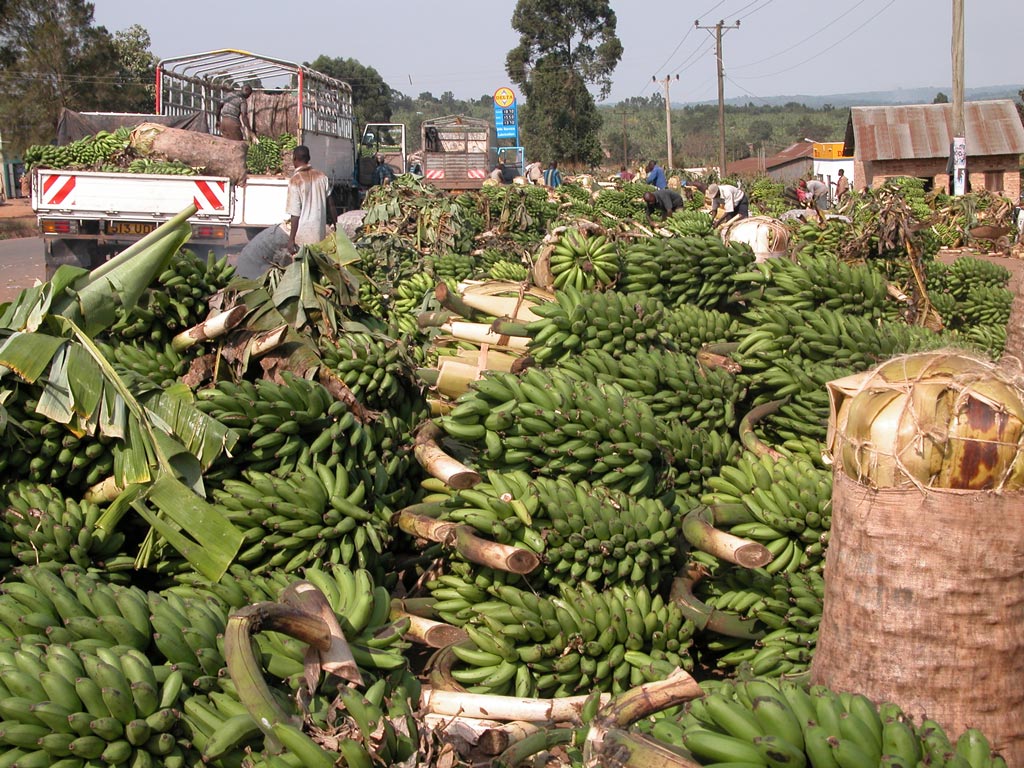
Récoltes de bananes dans l'Ouganda rural.
Contribué par
Histoires récentes
Aucun article trouvé