
Poor-quality diets remain the leading cause of malnutrition and non-communicable diseases globally. In response to this pressing challenge, bio-fortified and health-enhancing staple crops are emerging as promising solutions to combat hidden hunger, especially among vulnerable populations. These crops are enriched with essential micronutrients such as iron, zinc, and vitamin A and often include additional health benefits, including low-glycemic-index properties and bioactive compounds. However, despite their significant potential, the widespread adoption of these crops continues to be hampered by challenges related to affordability, accessibility, and desirability.
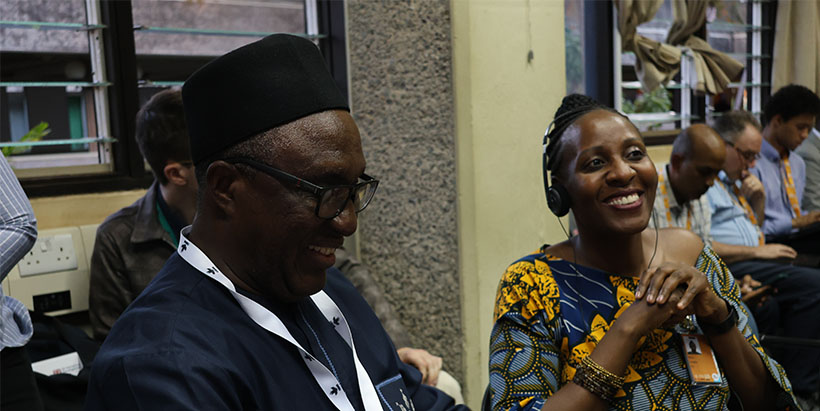
Within this context, one of the key side events at the 2025 CGIAR Science Week was held under the theme “Accelerating Uptake of Bio-fortified and Health-Enhancing Crops and Products – How?” Moderated by IITA Lead Food Security, Nutrition, and Health Program Mercy Lung’aho, the session brought together stakeholders from research institutions, development agencies, and the private sector. Together, they explored the role of nutrient-enriched crops in strengthening global nutrition through agricultural innovation.
Melanie Connor, IRRI Senior Scientist in market intelligence and product profiling, expounded on CGIAR’s work on 13 staples and underutilized crops, including Bambara groundnut, cowpeas, and taro, coordinated across nine centers. This work demonstrates a robust commitment to enhancing nutritional content through breeding innovations. This overview set the tone for an engaging exchange of insights from discussants representing HarvestPlus, FIDA, IITA, IRRI, and KALRO.
A panel discussion, moderated by World Bank Vice President for Sustainable Development Dr Juergen Voegele, featured discussants from HarvestPlus, IFAD, IITA, IRRI, and KALRO. Representing KALRO Director General Eliud Kireger, the National Coordinator for Grains and Legumes, David Karanja, emphasized Kenya’s growing demand for bio-fortified crops, particularly beans. He called for enhanced consumer awareness and enabling policies to boost adoption.
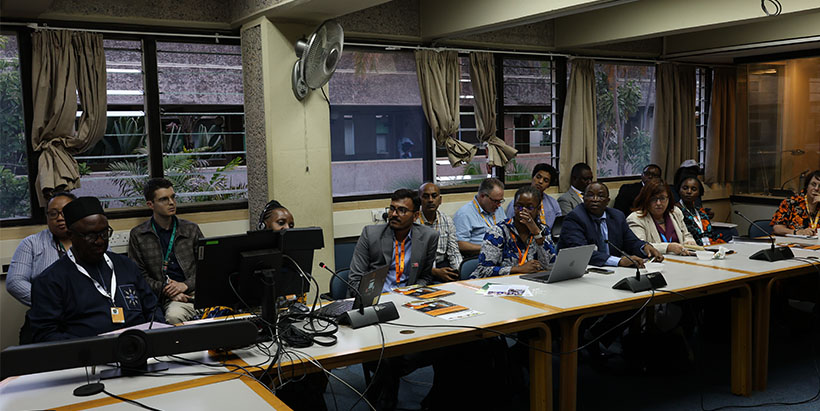
Yvonne Pinto, IRRI Director General, shared updates on the development of climate-resilient, nutritious crop varieties that simultaneously address malnutrition and the growing prevalence of non-communicable diseases. She highlighted the synergy between agricultural resilience and public health outcomes.
Dr Siméon Ehui, IITA Director General, also elaborated on breeding programs targeting vitamin A, iron, and zinc-enriched crops. He emphasized the need for strong partnerships to ensure these innovations reach rural and underserved communities.
Discussions explored key challenges confronting bio-fortification, such as consumer perception, policy barriers, and the need for stronger linkages between research and market actors. Stakeholders underscored the importance of private sector engagement, supportive regulatory environments, and improved communication strategies to bridge these gaps.
Looking ahead, participants envisioned a future in which food baskets are deliberately designed to meet specific nutritional needs, embedding bio-fortification within sustainable food systems and healthcare delivery. Group discussions focused on actionable strategies to bridge the agriculture-health divide, overcome perception barriers, and integrate bio-fortification into mainstream cropping systems. Calls were made to leverage genetic and agronomic methods and allocate dedicated funding within CGIAR to accelerate research and scaling.
In complement to the discussions, an exhibition booth showcased CGIAR’s diverse bio-fortified crops and products, underscoring their relevance and potential in addressing global nutrition challenges.
In conclusion, this session marked a pivotal moment in fostering collaboration and reaffirming the critical role of nutrition-sensitive agriculture. Participants’ collective insights and shared commitment offer a promising pathway toward enhancing global health and well-being through bio-fortification.
Contribué par Anita Akinyomade
Contribué par
Histoires récentes