
Au Nigeria, bien avant la domination du maïs et du riz, les paysans cultivaient une gamme de cultures indigènes parfaitement adaptées aux écologies locales et aux besoins nutritionnels. Parmi celles-ci figure le fonio – connu localement sous le nom de achat dans certaines régions du Nigeria et le pois carré, deux cultures riches en nutriments mais largement sous-utilisées qui ont autrefois joué un rôle important dans les systèmes alimentaires traditionnels. Aujourd'hui, elles sont de plus en plus remises au goût du jour, non seulement comme des vestiges du patrimoine agricole, mais aussi comme des cultures stratégiques pour relever les défis contemporains de la malnutrition, de l'insécurité alimentaire et du changement climatique.
Le fonio, souvent décrit comme la plus ancienne céréale cultivée d'Afrique, est cultivé depuis des milliers d'années dans des pays tels que le Nigéria, le Sénégal et le Mali. Malgré ses profondes racines culturelles, où il a figuré dans des cérémonies et des régimes alimentaires saisonniers, le fonio est resté marginalisé dans l'agriculture moderne, catégorisé comme une “ culture sous-utilisée ”. Pourtant, sa résilience est remarquable : la culture prospère dans des sols pauvres, mûrit en quelques semaines et nécessite des intrants agricoles minimes, ce qui la rend particulièrement précieuse face à des précipitations de plus en plus erratiques et à la dégradation des terres.
En complément du fonio se trouve le pois gogane (Psophocarpus tetragonolobus), une légumineuse tropicale parfois qualifiée de “ supermarché à une seule espèce ” car presque toutes les parties de la plante sont comestibles, de ses feuilles et gousses à ses graines et tubercules. Bien qu'elle prospère dans des environnements tropicaux humides similaires à ceux que l'on trouve dans le sud du Nigéria, cette culture reste largement sous-utilisée et cantonnée à une culture à petite échelle. Cette adoption limitée contraste fortement avec son potentiel nutritionnel extraordinaire.
Le haricot carré se distingue particulièrement par sa teneur en protéines exceptionnellement élevée, ses graines affichant des taux comparables à ceux du soja, souvent compris entre 30 et 40 pour cent. Contrairement à la plupart des légumineuses, il produit également des tubercules riches en protéines, tandis que ses feuilles fournissent des acides aminés et des micronutriments supplémentaires, ce qui en fait une culture rare capable d'offrir divers bienfaits nutritionnels à partir d'une seule plante. Riche en minéraux tels que le calcium, le fer et le potassium, et contenant des graisses bénéfiques ainsi que des fibres alimentaires, le haricot carré offre des perspectives considérables pour améliorer la qualité de l'alimentation, en particulier dans les régions où l'accès à des protéines abordables est limité.
Le regain d'intérêt pour ces cultures reflète une évolution plus générale de la pensée sur les systèmes alimentaires au Nigéria et dans toute l'Afrique. Bien que les cultures de base continuent de dominer la production et la consommation, elles n'offrent pas toujours la diversité nutritionnelle requise pour une alimentation saine. En même temps, la dépendance à l'égard d'une gamme restreinte de cultures accroît la vulnérabilité aux chocs climatiques et aux perturbations du marché. Les espèces sous-utilisées telles que le fonio et le haricot pois offrent une voie alternative, qui associe résilience environnementale et adéquation nutritionnelle..
Pour le Nigeria, où la malnutrition et les carences en micronutriments persistent parallèlement à une population croissante, l'intégration de telles cultures dans l'alimentation quotidienne pourrait avoir des répercussions considérables. Le fonio constitue une base glucidique résistante au climat et enrichie en minéraux essentiels, tandis que le pois papillon (ou haricot ailé) apporte des protéines végétales de haute qualité ainsi que des micronutriments supplémentaires. Ensemble, ils illustrent le potentiel des cultures indigènes pour soutenir des systèmes alimentaires plus équilibrés, durables et adaptés aux contextes locaux.
Alors que la recherche se tourne de plus en plus vers les “ aliments sous-utilisés ” pour répondre aux problèmes de nutrition, entre autres, le fonio et le haricot ailé sortent de l'ombre. Cela témoigne non seulement d'un retour aux savoirs traditionnels, mais aussi d'une opportunité de réinventer l'avenir de l'alimentation, où la diversité, la nutrition et la résilience occupent une place centrale dans l'assiette de millions de personnes.
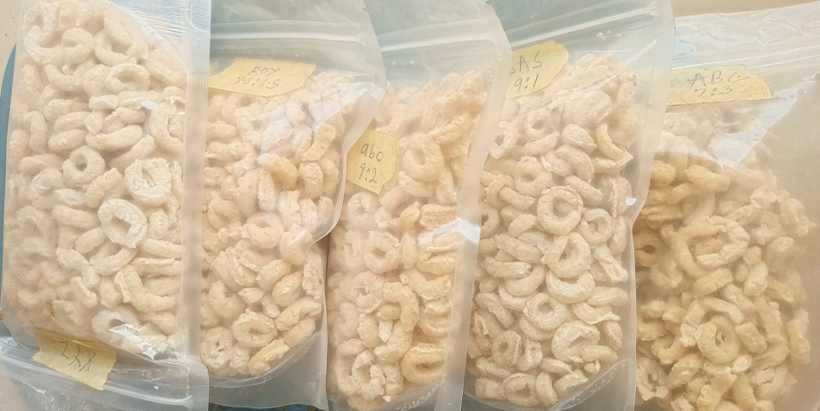
Dans le cadre des efforts visant à lutter contre la malnutrition, à accroître l'adoption des cultures sous-utilisées et à réduire la dépendance au blé importé, des chercheurs au Nigeria, dirigés par un IITA–CGIAR Chercheur, Prof. Abdul-Rasaq Adebowale avons développé un en-cas soufflé riche en nutriments à base d'une farine composite fabriquée à partir de fonio et de graines de haricot géant provenant de sources locales. L'étude de recherche met en évidence la manière dont les cultures sous-utilisées peuvent être transformées en produits alimentaires fonctionnels qui améliorent les régimes alimentaires tout en soutenant les systèmes agroalimentaires locaux.
Selon l'étude, des recherches ont été menées pour répondre aux préoccupations croissantes concernant la malnutrition protéino-énergétique et les carences en micronutriments dans les pays en développement, où l'accès à des aliments abordables et riches en nutriments reste limité. Parallèlement, la forte dépendance à l'égard du blé pour la production de confiserie, malgré son coût élevé et sa faible production locale, continue de poser des problèmes économiques et de sécurité alimentaire. L'étude a exploré une alternative durable utilisant des cultures facilement disponibles mais souvent négligées. Avec l'introduction d'une farine composite dérivée du fonio et du pois carré, qui servira de substitut à la farine de blé, les utilisateurs finaux peuvent accéder à une farine facilement obtenable et bon marché qui est également pratique et fonctionnelle.
En utilisant une approche de formulation structurée, les chercheurs ont élaboré des mélanges de farines composées à base de fonio et de pois rectangulaire dans des proportions variables. Ces mélanges ont été transformés en snacks soufflés prêts à consommer par cuisson-extrusion, une méthode à haute température et de courte durée reconnue pour améliorer la qualité des aliments et leur stabilité à la conservation. Le processus améliore également la digestibilité et modifie les caractéristiques physiques et nutritionnelles des produits alimentaires.
Pour déterminer l'adéquation des mélanges de farines, l'étude a évalué des propriétés fonctionnelles clés telles que la capacité d'absorption d'eau, l'absorption d'huile, la masse volumique apparente, le pouvoir de gonflement et la solubilité. Ces propriétés sont essentielles pour comprendre le comportement de la farine lors de la transformation et son influence sur la texture et la qualité du produit final.
De plus, les propriétés d'empâtage ont été analysées pour évaluer la réaction des mélanges à la chaleur et à l'humidité pendant la cuisson. Le snack élaboré a démontré des qualités souhaitables en termes de texture, de stabilité et de composition nutritionnelle, ce qui en fait une alternative viable aux produits traditionnels à base de blé.
Les résultats de l'étude ont montré que l'incorporation de farine de pois rectangulaire a amélioré de manière significative la qualité nutritionnelle des snacks. Les produits issus d'un mélange optimal de farines (70:30 fonio : pois rectangulaire) contenaient des niveaux plus élevés de protéines, de fibres alimentaires et de minéraux essentiels tels que le calcium, le fer et le magnésium, offrant un équilibre entre performance fonctionnelle et valeur nutritionnelle. Ces nutriments sont essentiels à la croissance, à la fonction immunitaire et à la santé globale, en particulier chez les populations à risque de sous-nutrition.
En évaluant la présence de facteurs antinutritionnels, notamment les phytates, les tanins et les inhibiteurs de trypsine, l'étude a montré que bien que ces composés fussent présents, leurs niveaux restaient dans les limites de consommation sûres. Notamment, le processus d'extrusion a contribué à réduire ces composants, améliorant ainsi la disponibilité des nutriments et la sécurité du produit.
Dans un pays comme le Nigéria, où la malnutrition persiste parallèlement à la hausse des importations alimentaires et à l'accentuation des pressions climatiques, diversifier ce que l'on consomme n'est plus une option. Les cultures sous-utilisées offrent une solution pratique et ancrée localement à ces défis interconnectés.
En remettant des cultures telles que le fonio et le pois rectangulaire au cœur de la production et de la consommation courantes, le Nigéria a l'opportunité de renforcer la nutrition à la base. Ces cultures offrent ce qui manque à nombre d'aliments de base dominants : des micronutriments denses, des protéines végétales de haute qualité et une résistance aux conditions de culture difficiles. Elles conviennent parfaitement aux petits exploitants agricoles, s'adaptent aux cultures alimentaires locales et sont capables de contribuer à des régimes alimentaires plus sains et plus équilibrés sans exercer de pression supplémentaire sur les ressources en terre et en eau.
Cependant, libérer tout leur potentiel exigera des actions délibérées. Des investissements accrus dans la recherche, des systèmes semenciers améliorés, la création de valeur ajoutée et une plus grande visibilité dans les programmes de nutrition publique sont des étapes essentielles. Il est tout aussi important de changer les perceptions, afin que les cultures sous-utilisées comme le fonio et le haricot généralement ailé ne soient plus perçues comme de la “ nourriture pour pauvres ”, mais comme des choix judicieux et nutritifs pour un avenir garantissant la sécurité alimentaire.
Alors que le changement climatique, la croissance démographique et les carences nutritionnelles continuent de remodeler le paysage alimentaire mondial, les solutions ne viendront pas seulement de nouvelles technologies ou d'aliments de base importés. Beaucoup existent déjà dans les champs des agriculteurs et dans les cuisines de tous les jours. Le fonio et le haricot ailé nous rappellent que la voie de la sécurité alimentaire réside, en partie, dans la valorisation et l'investissement dans les cultures que nous avons longtemps négligées, transformant des ressources sous-utilisées en puissants outils de nutrition, de résilience et de développement durable.
Contribué par
Christabel Ediri et ‘Timilehin Osunde