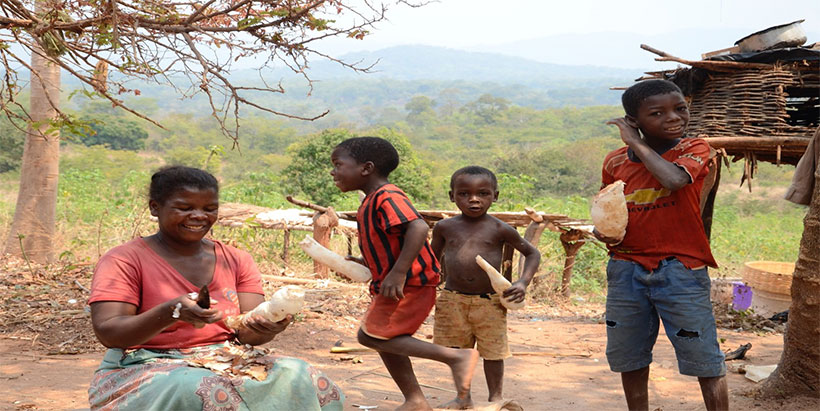
Success Stories: Turning cassava into cash in Malawi
Kaboma Banda, sitting under the shadow of a partially leafy tree in his courtyard, peels off a gigantic cassava tuber.

Kaboma Banda, sitting under the shadow of a partially leafy tree in his courtyard, peels off a gigantic cassava tuber.

The Central Bank of Nigeria (CBN) hosted different stakeholders in the cassava value chain in Nigeria as it works on developing the sector in the country.
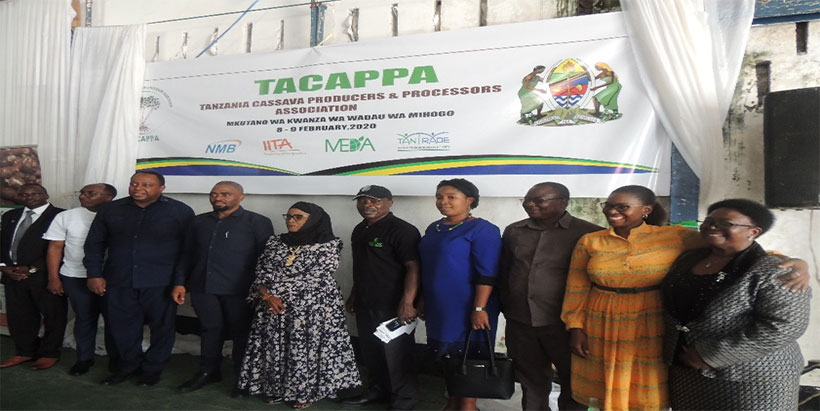
The International Institute of Tropical Agriculture (IITA) has collaborated with other stakeholders to develop and launch the Tanzania Cassava Producers and Processors Association (TACCAPA), which brings together cassava producers and processors to address bottlenecks and challenges facing production and utilization of the crop in the country.

The African Academy of Sciences (AAS) and the Royal Society of London, supported by the UK’s Global Challenges Research Fund (GCRF), have announced the second cohort of the Future Leaders – African Independent Research (FLAIR) fellowships.
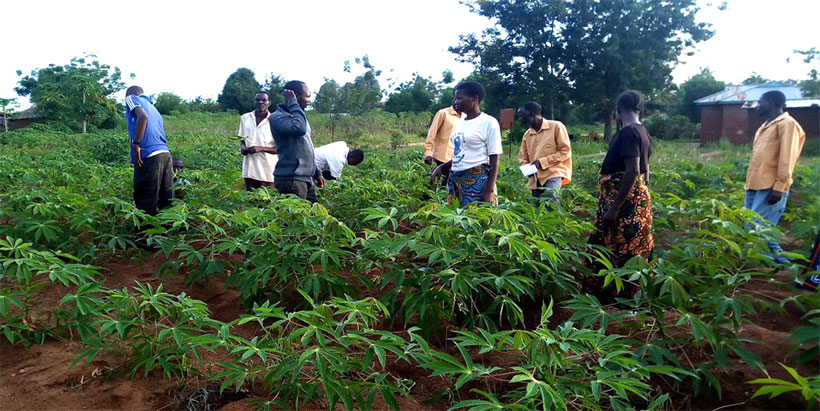
The Tanzania Food and Nutrition Centre (TFNC), a primary partner of the Africa Cassava Agronomy Initiative (ACAI), has established and planted 492 validation trial sites for AKILIMO. Also, TFNC set up 46 demonstration sites across the ecological zones covered by ACAI.

On 25 August, the Technologies for African Agricultural Transformation (TAAT) Cassava compact team of IITA hosted the Ogun State farmers’ group from the Abeokuta Chamber of Commerce Industry, Mines, and Agriculture (ABEOCCIMA) at the Institute’s headquarters.
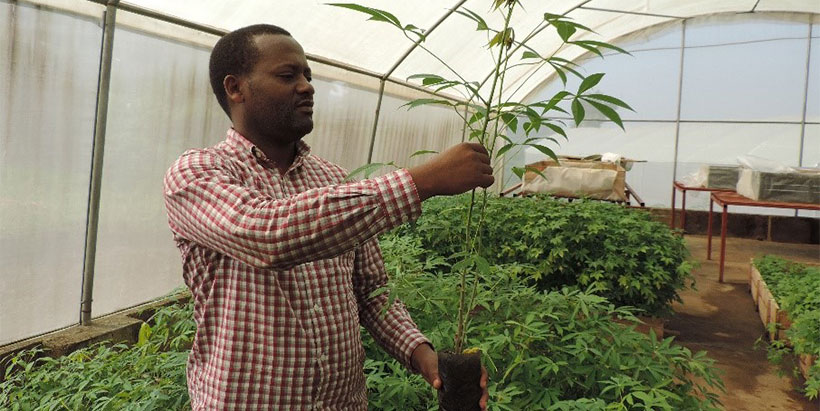
Rwandan farmers lack improved cassava varieties resistant to the main cassava diseases; Cassava Brown Streak Disease (CBSD) and Cassava Mosaic Disease (CMD).
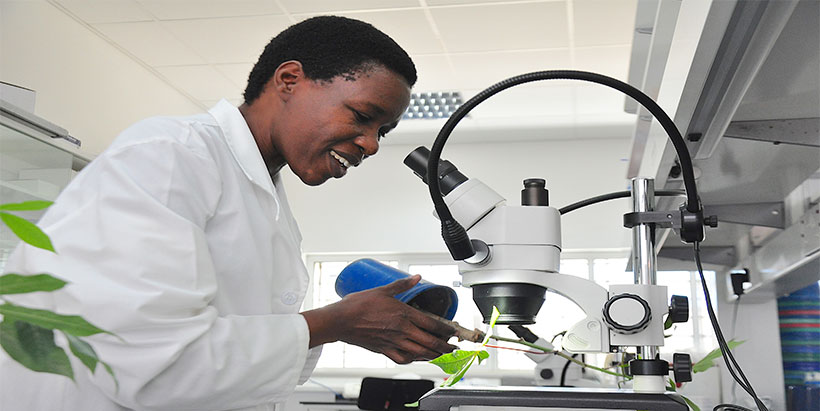
The meaning of this African proverb is well manifested by the Virus Vector Ecology Group (VVEG) team at IITA’s Eastern Africa Hub as James Legg, IITA Plant Health Scientist and team lead, shared on its progress and successes towards addressing the viral disease challenge facing cassava in Africa and even Asia.
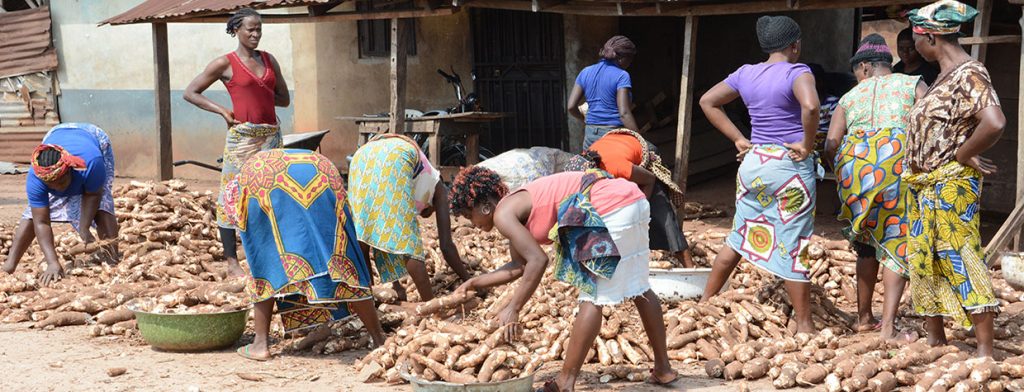
The Federal Government of Nigeria recently approved new names for 10 improved cassava varieties as part of efforts to brand the root crop for easy identification, cultivation, and marketing of cassava stems.

Outdated agricultural practices, lack of policy support, and poor access to Information and Communications Technology (ICT) have reduced employment opportunities for youth in agriculture and agribusiness.