
Bearing Burdens: Carrier Women and creating opportunities for change in Bukavu, DRC
mars 8, 2017
International Women’s Day celebrates the social, economic, cultural, and political achievements of women. Yet, women worldwide continue to be over-represented in the informal sector, characterized by low skills and wages, poor rates of remuneration that disfavor women, and discrimination and violence against women. Women in Bukavu, in the Democratic Republic of Congo, face significant challenges to earning a living wage.
Bukavu is a rapidly growing and bustling town located along the shores of Lake Kivu. In spite of Bukavu’s natural beauty, the town is more often featured in the media because of continued conflict and high rates of sexual and gender based violence (SGBV). Gender inequality, supported by social norms and practices, continues to undermine women’s progress towards acquiring land, earning income, and securing agricultural livelihoods.
 In Bukavu, many women work in the informal sector in agricultural markets as transporters. The so-called carrier women are a visible part of the informal workforce, seen bearing burdens of 100 kg or more of cassava, charcoal or sand, for instance.
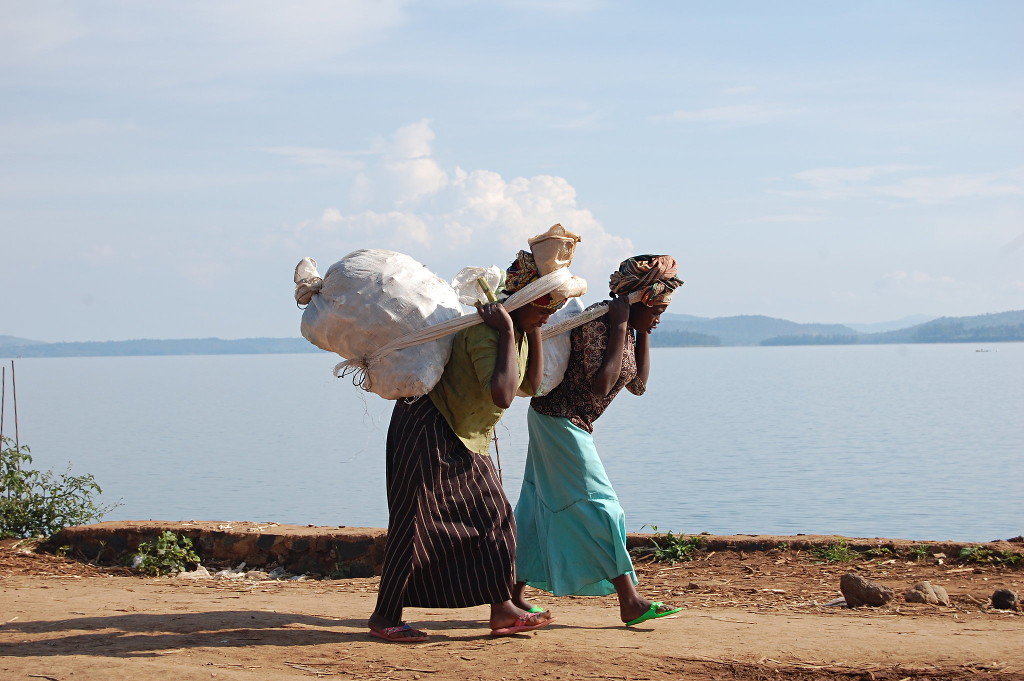 Over the last few weeks I interviewed 17 women carriers who work at the Muhanzi Beach Market, a key port of entry for ships carrying goods from Idjwi Island. I wanted to hear their stories. How did they get here? What are they doing? And, what possibilities might there be for IITA to support these women’s transition out of these precarious and hazardous working conditions? Since having arrived here in 2015, I’m surprised that few people are able to tell me about who these women are. They are visible on the roads from morning until dusk, yet their stories often go untold.
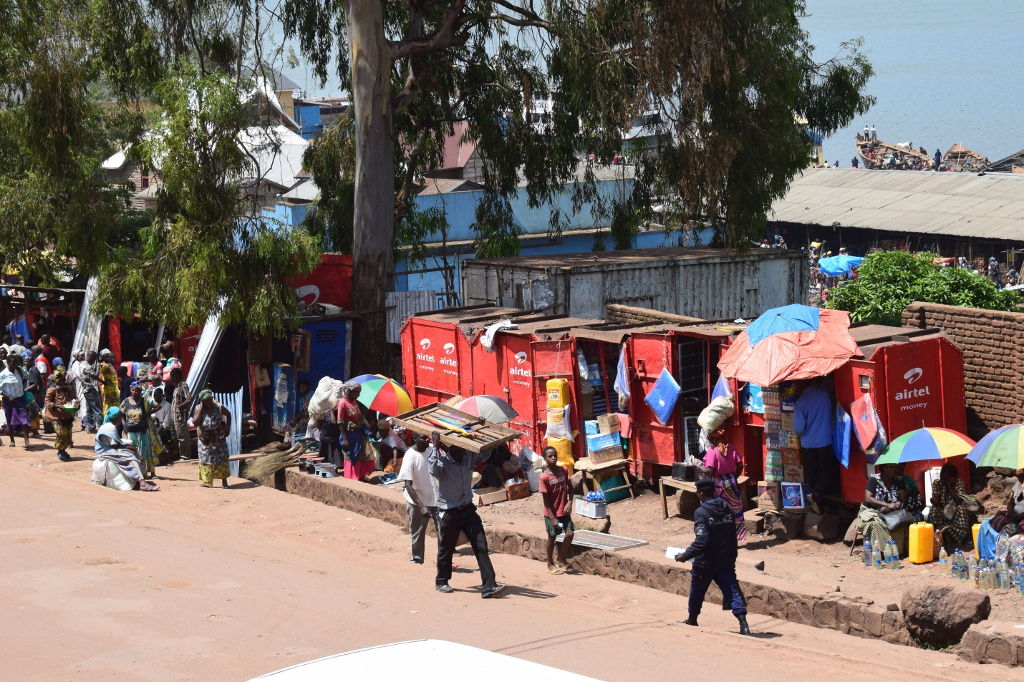 Many families fled from their home villages in rural areas during the Congo War, which officially ended in 2004. Among them were women who sought to earn a living. Today, carrier women often live in the outskirts of Bukavu and walk up to two hours to reach the market in the morning. Then they wait for the boats to arrive with goods coming in from Idjwi Island. The women interviewed have, on average, been working as carriers for 14 years, some as many as 25 years. Working conditions are very difficult. Furah said, “Children in the neighborhood call me grandmother. I am only 53, but even a 60 year old looks younger than me.” Women went on to complain of body aches, painful knees, even hair loss from the rubbing of the sack on the back of their head. Women also talked about changes in the market over the last decade. In earlier times, most of the carrying was done by women; it was easy to find customers who would hire them to carry goods to their homes or restaurants. Nowadays, young men in search of money are also carrying heavy loads and the competition for customers is high. Young men’s entry into the market has made it more challenging for women to find work. Furthermore, men often accept lower pay for the same tasks. Women once could be sure they would earn ~4 USD per day, now they sometimes end the day with 1.50 USD, and worse, sometimes nothing.
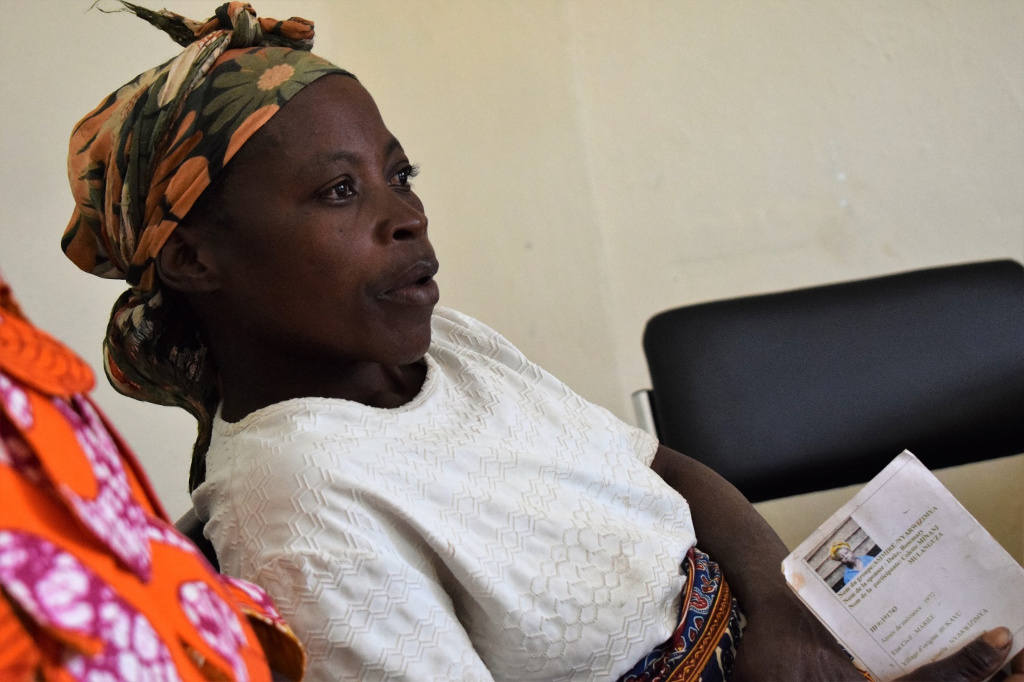 The women I interviewed are the main earners in the household, supporting an average of eight children. Four are widows. Others’ husbands went off to work in the mines or are jobless or ill. Women decide how to spend their money and purchase food and save the remainder to pay rent and school fees. Food is never enough and they often eat one meal in their households, dinner. It is difficult to cover the costs of school fees, yet these women’s ambition is to see their children finish school. Collette explained, “I want my children to study and to one day help me. I don’t want them to perform hard labor, school can help. They could be teachers or nurses.”
These women bear their burdens, physical and emotional, with incredible strength and perseverance. They all expressed hope to start a small business, selling flour or vegetables, for example. These interviews are a first step to learning about these women’s lives, their challenges, and their aspirations. The stories provide a basis from which to develop business options to enable women to transition out of this type of work. Preliminary ideas for business models include engaging in value chain activities with IKYA Agripeneurs and with Community Cassava Community Processing Centers (CCPCs) in South Kivu.
The women I interviewed are the main earners in the household, supporting an average of eight children. Four are widows. Others’ husbands went off to work in the mines or are jobless or ill. Women decide how to spend their money and purchase food and save the remainder to pay rent and school fees. Food is never enough and they often eat one meal in their households, dinner. It is difficult to cover the costs of school fees, yet these women’s ambition is to see their children finish school. Collette explained, “I want my children to study and to one day help me. I don’t want them to perform hard labor, school can help. They could be teachers or nurses.”
These women bear their burdens, physical and emotional, with incredible strength and perseverance. They all expressed hope to start a small business, selling flour or vegetables, for example. These interviews are a first step to learning about these women’s lives, their challenges, and their aspirations. The stories provide a basis from which to develop business options to enable women to transition out of this type of work. Preliminary ideas for business models include engaging in value chain activities with IKYA Agripeneurs and with Community Cassava Community Processing Centers (CCPCs) in South Kivu.
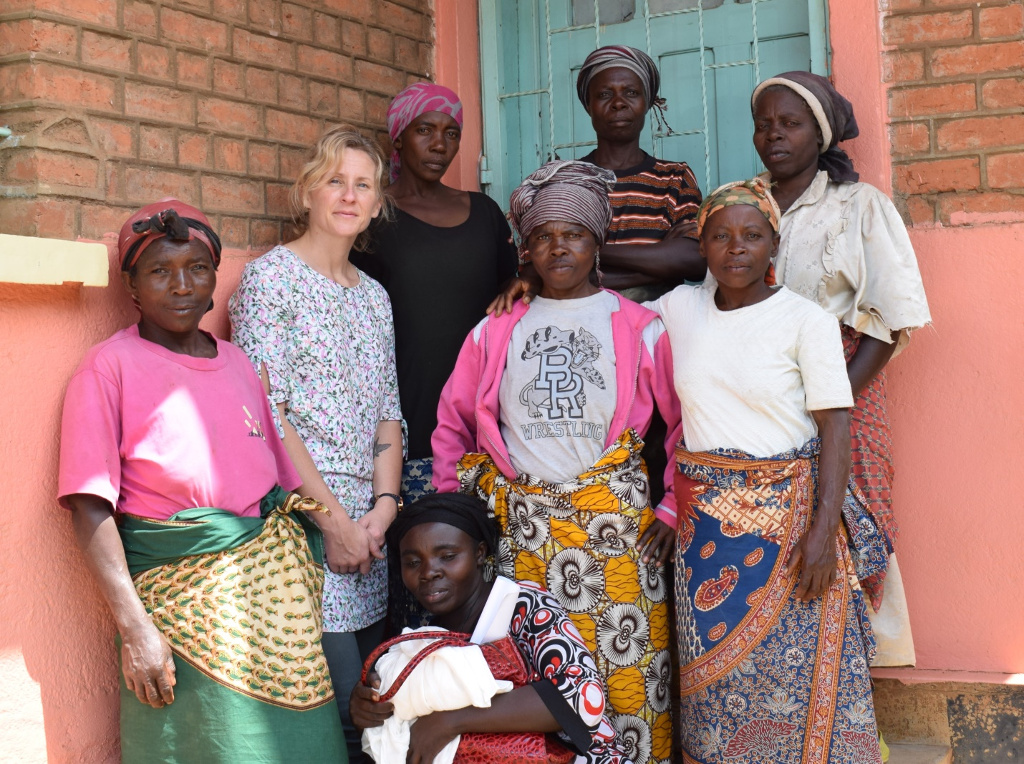 International Women’s Day calls upon all of us, women and men, old and young, to work together to achieve change to improve women’s working conditions and opportunities worldwide. IITA’s efforts support progress towards these achievements.
Author and contact details: R.Bullock@cgiar.org
For more details: http://www.nytimes.com/2012/06/29/world/africa/female-bearers-in-the-democratic-republic-of-congo.html
International Women’s Day calls upon all of us, women and men, old and young, to work together to achieve change to improve women’s working conditions and opportunities worldwide. IITA’s efforts support progress towards these achievements.
Author and contact details: R.Bullock@cgiar.org
For more details: http://www.nytimes.com/2012/06/29/world/africa/female-bearers-in-the-democratic-republic-of-congo.html
Figure 1. Lake Kivu and the town of Buka.
Figure 2. Women carriers. (Photo credits: Boryana Dzhambazova for International Herald Tribune)
Figure 3. Road in Bukavu with Muhanzi Beach Market in the background.
Figure 4. Furaha, aged 32, a carrier for 13 years.
Figure 5. Carrier women of Bukavu and Renee Bullock, IITA Gender Specialist.
Contribué par
Histoires récentes
Aucun article trouvé