
La réunion de pré-évaluation du projet TAAT met l'accent sur la mise à l'échelle des technologies pour la transformation agricole en Afrique
28 août 2016
L'Institut international d'agriculture tropicale (IITA) et la Banque africaine de développement (BAD) ont tenu une réunion de pré-évaluation de projet pour la nouvelle initiative de la Banque, le programme Nourrir l'Afrique ou Technologies pour la transformation de l'agriculture en Afrique (TAAT), du 18 au 30 juillet 2016, au siège de l'IITA à Ibadan, au Nigeria. Le programme TAAT est une stratégie essentielle pour transformer l'agriculture sur le continent, garantissant ainsi que l'Afrique sera capable de se nourrir grâce à l'agriculture.
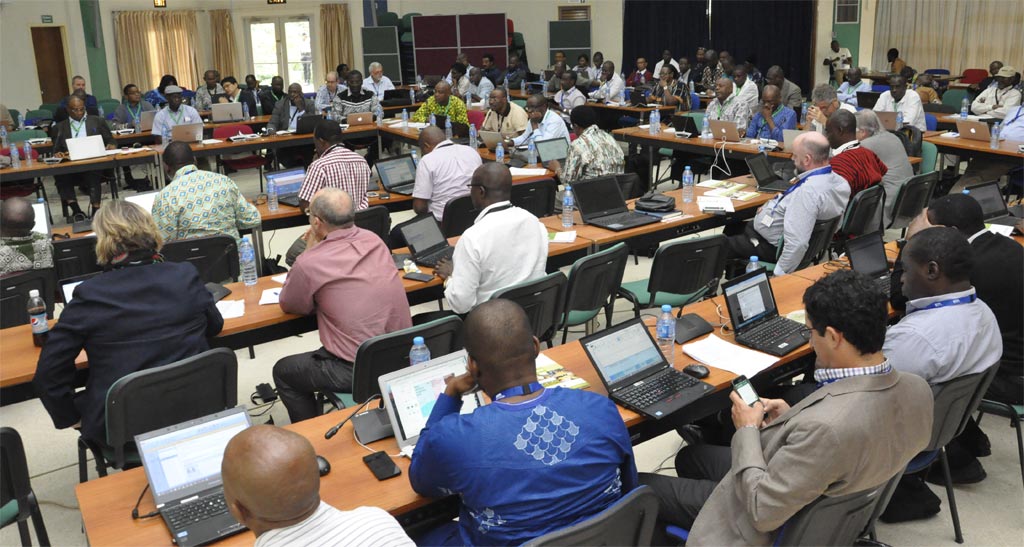 La réunion d'évaluation s'est déroulée par groupes afin de permettre une interaction plus étroite ; Semaine 1 : la première partie de la réunion s'est tenue du 18 au 23 juillet, en présence de tous les participants des domaines d'intervention prioritaires (DIP) suivants : Sahel, Savane, Manioc et Riz. La deuxième partie de la réunion s’est déroulée du 25 au 30 juillet, en présence de tous les participants issus des ZIP suivantes : plantations d’arbres, horticulture, blé et aquaculture en eaux intérieures.
La mission d’évaluation a réuni tous les centres du CGIAR et les institutions non membres du CGIAR participant au programme TAAT, ainsi que les partenaires des réseaux nationaux de recherche agricole (NARES) ayant soumis des technologies prêtes à être déployées à plus grande échelle dans le cadre du programme. Ensemble, ils ont examiné et finalisé les plans d’activité et les budgets nécessaires à la mise en œuvre à plus grande échelle de ces technologies éprouvées.
Tout en souhaitant la bienvenue aux participants dans le centre de conférences de l’IITA, qui affichait complet, le Dr Ken Dashiell, directeur adjoint du bureau des partenariats et de la coordination, a déclaré : “ Le TAAT est une réalité concrète qui vise à fournir des technologies et à déterminer comment mettre ces technologies éprouvées à la disposition de millions de personnes sur le continent. Cela ne sera possible que si nous y réfléchissons mûrement et mettons en place des stratégies. ” Il a exhorté chacun à voir grand et à réfléchir à “ la manière dont nous pouvons mettre fin aux importations de denrées alimentaires et de légumes, et exporter des produits raffinés à base de cacao ”.
Le Dr Jonas Chianu, économiste agricole principal à la BAD et responsable de la mission TAAT, a déclaré dans son discours d’ouverture que le programme TAAT s’appuierait sur les autres projets parrainés par la BAD et a conseillé aux participants “ de se concentrer sur quelques technologies susceptibles d’avoir un impact et de transformer les moyens de subsistance des populations ”. Il a souligné et réitéré à plusieurs reprises au cours de la réunion la nécessité de transférer la technologie aux agriculteurs locaux afin d’accroître leur productivité et de transformer l’agriculture en Afrique. “ Nous nous attachons à ‘transmettre’ la technologie aux populations pour transformer l’agriculture. Quiconque connaît ou dispose d’une expérience qui a fait ses preuves en matière de diffusion à grande échelle des technologies devrait la partager, même si elle provient de l’extérieur de l’Afrique. Nous devons rechercher des modèles susceptibles de fonctionner sur le continent. Nous ferons tout ce qui est en notre pouvoir pour garantir la transformation de l’agriculture en Afrique afin d’assurer la sécurité alimentaire, la création d’emplois et un impact concret. Ainsi, des organisations telles que la FARA et l’IFPRI devraient veiller à ce que leurs politiques permettent réellement de “ transmettre ” la technologie aux utilisateurs finaux. ”
La réunion d'évaluation s'est déroulée par groupes afin de permettre une interaction plus étroite ; Semaine 1 : la première partie de la réunion s'est tenue du 18 au 23 juillet, en présence de tous les participants des domaines d'intervention prioritaires (DIP) suivants : Sahel, Savane, Manioc et Riz. La deuxième partie de la réunion s’est déroulée du 25 au 30 juillet, en présence de tous les participants issus des ZIP suivantes : plantations d’arbres, horticulture, blé et aquaculture en eaux intérieures.
La mission d’évaluation a réuni tous les centres du CGIAR et les institutions non membres du CGIAR participant au programme TAAT, ainsi que les partenaires des réseaux nationaux de recherche agricole (NARES) ayant soumis des technologies prêtes à être déployées à plus grande échelle dans le cadre du programme. Ensemble, ils ont examiné et finalisé les plans d’activité et les budgets nécessaires à la mise en œuvre à plus grande échelle de ces technologies éprouvées.
Tout en souhaitant la bienvenue aux participants dans le centre de conférences de l’IITA, qui affichait complet, le Dr Ken Dashiell, directeur adjoint du bureau des partenariats et de la coordination, a déclaré : “ Le TAAT est une réalité concrète qui vise à fournir des technologies et à déterminer comment mettre ces technologies éprouvées à la disposition de millions de personnes sur le continent. Cela ne sera possible que si nous y réfléchissons mûrement et mettons en place des stratégies. ” Il a exhorté chacun à voir grand et à réfléchir à “ la manière dont nous pouvons mettre fin aux importations de denrées alimentaires et de légumes, et exporter des produits raffinés à base de cacao ”.
Le Dr Jonas Chianu, économiste agricole principal à la BAD et responsable de la mission TAAT, a déclaré dans son discours d’ouverture que le programme TAAT s’appuierait sur les autres projets parrainés par la BAD et a conseillé aux participants “ de se concentrer sur quelques technologies susceptibles d’avoir un impact et de transformer les moyens de subsistance des populations ”. Il a souligné et réitéré à plusieurs reprises au cours de la réunion la nécessité de transférer la technologie aux agriculteurs locaux afin d’accroître leur productivité et de transformer l’agriculture en Afrique. “ Nous nous attachons à ‘transmettre’ la technologie aux populations pour transformer l’agriculture. Quiconque connaît ou dispose d’une expérience qui a fait ses preuves en matière de diffusion à grande échelle des technologies devrait la partager, même si elle provient de l’extérieur de l’Afrique. Nous devons rechercher des modèles susceptibles de fonctionner sur le continent. Nous ferons tout ce qui est en notre pouvoir pour garantir la transformation de l’agriculture en Afrique afin d’assurer la sécurité alimentaire, la création d’emplois et un impact concret. Ainsi, des organisations telles que la FARA et l’IFPRI devraient veiller à ce que leurs politiques permettent réellement de “ transmettre ” la technologie aux utilisateurs finaux. ”
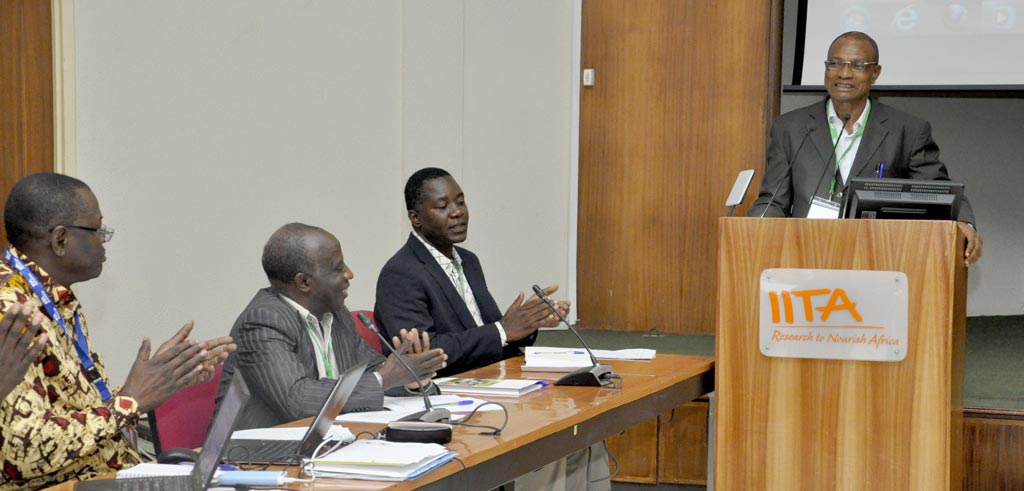 Il a ensuite présenté brièvement le programme TAAT. Il a indiqué que l’objectif général du TAAT était de mettre en œuvre un plan ambitieux visant à opérer une transformation agricole rapide à travers l’Afrique, grâce à l’augmentation de la productivité agricole dans huit domaines d’intervention prioritaires. Ces interventions sont les suivantes : l’autosuffisance en production de riz ; l’intensification de la culture du manioc ; la sécurité alimentaire au Sahel ; la transformation de la savane africaine en greniers à blé ; la revitalisation des plantations d’arbres stratégiques ; le développement de l’horticulture ; l’augmentation de la production de blé en Afrique et l’atteinte de l’autosuffisance en matière de production piscicole en eaux intérieures.
Cette réunion de dix jours a rassemblé de nombreux partenaires potentiels afin de discuter des différentes technologies et innovations éprouvées retenues pour être déployées, ainsi que de leur rôle essentiel dans la mise en œuvre du programme. Plusieurs présentations, assurées par divers centres du CGIAR, les NARES et les responsables des domaines d’intervention prioritaires (PIA), ont porté sur les technologies et innovations éprouvées retenues pour être déployées, ainsi que sur les justifications importantes — notamment la valeur ajoutée et la synergie de celles-ci, les résultats obtenus par les propositions de technologies/innovations “ éprouvées ’ émanant de différents partenaires (centres du CGIAR, NARS, secteur privé, instituts de recherche de pointe, universités, etc.) ont été évaluées, ainsi que les recommandations clés concernant les technologies et innovations sélectionnées.
Cette réunion hautement interactive a couvert l’ensemble des 24 chaînes de valeur et a donné lieu à des présentations variées de la part des responsables des huit PIA et des représentants des centres du CGIAR sur les rôles qu’ils se proposent de jouer dans la nouvelle initiative agricole de la Banque. Leurs exposés ont fait l’objet d’un examen critique de la part de l’auditoire ; en conséquence, une grande attention a été accordée aux recommandations clés issues de ces délibérations approfondies. Parmi les présentations marquantes de la réunion figuraient celles consacrées aux rôles de l’AGRA, de la FARA et de leurs partenaires en matière de renforcement des capacités et de sensibilisation, ainsi qu’à ceux de l’IFPRI et de ses partenaires dans les services d’appui aux politiques, et aux domaines d’intervention des projets portant sur l’intensification de la culture du manioc, l’autosuffisance en riz, les chaînes de valeur du blé et l’approvisionnement.
Le rôle du secteur privé, des organisations non gouvernementales, des services de vulgarisation agricole, de la mise à l’échelle et des mécanismes n’a pas été négligé dans ce cadre. Un large éventail de partenaires du secteur privé sera mobilisé dans tous les domaines d’intervention du projet, notamment parmi les fabricants d’intrants, les acteurs agro-industriels, les transformateurs, les spécialistes du développement de l’agroalimentaire, les services de crédit et les assureurs. “ Notre intérêt pour le secteur privé vise à garantir la pérennité des activités et des acquis du projet TAAT, même une fois celui-ci achevé ”, a déclaré le Dr Chianu.
Lors d’un entretien avec le Dr Chrys Akem, coordinateur du projet SARD-SC et organisateur de la réunion, celui-ci a ainsi souligné l’importance du projet TAAT pour l’agriculteur lambda : “ L’Afrique dépense des milliards de dollars pour importer des denrées alimentaires que nous sommes capables de produire. Et les centres de recherche agricole (CG) ont, au fil des ans, mis au point différentes technologies qui restent aujourd’hui inutilisées. Nous devons mettre ces technologies et ces variétés de cultures à meilleur rendement à la disposition des agriculteurs afin d’accroître la productivité et leur apprendre à valoriser leurs produits. Notre vision au sein du TAAT est de produire davantage de denrées alimentaires, de réduire la pauvreté chez les agriculteurs et de diminuer les importations alimentaires sur le continent. ”
La réunion de pré-évaluation s’est tenue près de trois mois après le lancement réussi de l’initiative du programme TAAT en avril 2016, à laquelle avaient participé diverses parties prenantes et partenaires potentiels issus des systèmes nationaux de recherche et de vulgarisation agricoles (NARES), des centres du CGIAR, d’organisations internationales et du secteur privé.
Le programme TAAT sera mis en œuvre dans 35 pays membres régionaux (PMR) de la Banque et couvrira 24 chaînes de valeur de produits spécifiques.
Il a ensuite présenté brièvement le programme TAAT. Il a indiqué que l’objectif général du TAAT était de mettre en œuvre un plan ambitieux visant à opérer une transformation agricole rapide à travers l’Afrique, grâce à l’augmentation de la productivité agricole dans huit domaines d’intervention prioritaires. Ces interventions sont les suivantes : l’autosuffisance en production de riz ; l’intensification de la culture du manioc ; la sécurité alimentaire au Sahel ; la transformation de la savane africaine en greniers à blé ; la revitalisation des plantations d’arbres stratégiques ; le développement de l’horticulture ; l’augmentation de la production de blé en Afrique et l’atteinte de l’autosuffisance en matière de production piscicole en eaux intérieures.
Cette réunion de dix jours a rassemblé de nombreux partenaires potentiels afin de discuter des différentes technologies et innovations éprouvées retenues pour être déployées, ainsi que de leur rôle essentiel dans la mise en œuvre du programme. Plusieurs présentations, assurées par divers centres du CGIAR, les NARES et les responsables des domaines d’intervention prioritaires (PIA), ont porté sur les technologies et innovations éprouvées retenues pour être déployées, ainsi que sur les justifications importantes — notamment la valeur ajoutée et la synergie de celles-ci, les résultats obtenus par les propositions de technologies/innovations “ éprouvées ’ émanant de différents partenaires (centres du CGIAR, NARS, secteur privé, instituts de recherche de pointe, universités, etc.) ont été évaluées, ainsi que les recommandations clés concernant les technologies et innovations sélectionnées.
Cette réunion hautement interactive a couvert l’ensemble des 24 chaînes de valeur et a donné lieu à des présentations variées de la part des responsables des huit PIA et des représentants des centres du CGIAR sur les rôles qu’ils se proposent de jouer dans la nouvelle initiative agricole de la Banque. Leurs exposés ont fait l’objet d’un examen critique de la part de l’auditoire ; en conséquence, une grande attention a été accordée aux recommandations clés issues de ces délibérations approfondies. Parmi les présentations marquantes de la réunion figuraient celles consacrées aux rôles de l’AGRA, de la FARA et de leurs partenaires en matière de renforcement des capacités et de sensibilisation, ainsi qu’à ceux de l’IFPRI et de ses partenaires dans les services d’appui aux politiques, et aux domaines d’intervention des projets portant sur l’intensification de la culture du manioc, l’autosuffisance en riz, les chaînes de valeur du blé et l’approvisionnement.
Le rôle du secteur privé, des organisations non gouvernementales, des services de vulgarisation agricole, de la mise à l’échelle et des mécanismes n’a pas été négligé dans ce cadre. Un large éventail de partenaires du secteur privé sera mobilisé dans tous les domaines d’intervention du projet, notamment parmi les fabricants d’intrants, les acteurs agro-industriels, les transformateurs, les spécialistes du développement de l’agroalimentaire, les services de crédit et les assureurs. “ Notre intérêt pour le secteur privé vise à garantir la pérennité des activités et des acquis du projet TAAT, même une fois celui-ci achevé ”, a déclaré le Dr Chianu.
Lors d’un entretien avec le Dr Chrys Akem, coordinateur du projet SARD-SC et organisateur de la réunion, celui-ci a ainsi souligné l’importance du projet TAAT pour l’agriculteur lambda : “ L’Afrique dépense des milliards de dollars pour importer des denrées alimentaires que nous sommes capables de produire. Et les centres de recherche agricole (CG) ont, au fil des ans, mis au point différentes technologies qui restent aujourd’hui inutilisées. Nous devons mettre ces technologies et ces variétés de cultures à meilleur rendement à la disposition des agriculteurs afin d’accroître la productivité et leur apprendre à valoriser leurs produits. Notre vision au sein du TAAT est de produire davantage de denrées alimentaires, de réduire la pauvreté chez les agriculteurs et de diminuer les importations alimentaires sur le continent. ”
La réunion de pré-évaluation s’est tenue près de trois mois après le lancement réussi de l’initiative du programme TAAT en avril 2016, à laquelle avaient participé diverses parties prenantes et partenaires potentiels issus des systèmes nationaux de recherche et de vulgarisation agricoles (NARES), des centres du CGIAR, d’organisations internationales et du secteur privé.
Le programme TAAT sera mis en œuvre dans 35 pays membres régionaux (PMR) de la Banque et couvrira 24 chaînes de valeur de produits spécifiques.
Coupe transversale du public.
Dr Jonas Chianu, Économiste agricole principal, BAD et gestionnaire de projet TAAT
Contribué par
Histoires récentes
Aucun article trouvé