
IITA–CGIAR poursuit ses efforts pour améliorer la valeur nutritionnelle des cultures de base, en veillant à ce que les communautés qui en dépendent pour leur alimentation aient accès à un plus large éventail de nutriments essentiels. En collaboration avec ses partenaires, l'Institut a déjà publié plus de 200 variétés de cultures améliorées ayant un impact significatif sur la sécurité alimentaire et la nutrition.
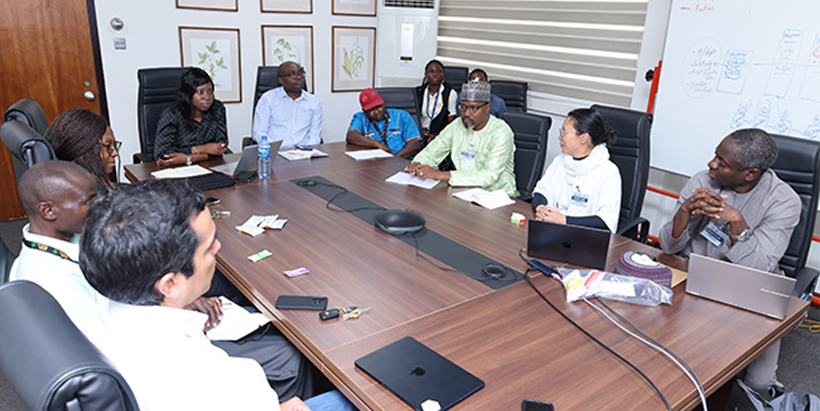
Du 22 au 24 septembre, l'IITA a accueilli des délégués de Groupe Nutriset, NutriK, et Sow AgriTech Limited à son siège pour explorer des collaborations plus étroites dans les domaines de la nutrition, des aliments thérapeutiques prêts à l'emploi (ATPE) et des chaînes de valeur agricoles. Les délégués qui sont des partenaires comprennent le Dr Monique Chan Huot de Nutriset, M. Abdoulkader Yonli de NutriK et le Dr Mounirou Sow de Sow AgriTech Limited. La visite s'est particulièrement concentrée sur les opportunités d'accroître la production d'arachide, une matière première clé dans les produits nutritionnels de Nutriset.
Fort d'un mandat mondial pour lutter contre la malnutrition, le Groupe Nutriset travaille avec des partenaires pour développer une variété de solutions nutritionnelles à base de cacahuètes conçues pour répondre à divers besoins, allant du traitement et de la prévention de la malnutrition au soutien diététique pour les patients malades. Ces produits répondent aux différentes étapes de la vie, de la petite enfance à l'âge adulte.
Lors d'une réunion avec l'équipe de direction de l'IITA, organisée par le chef du Bureau du développement des capacités, Zaina Sore, le Dr Chan Huot a souligné l'impact du Groupe. Elle a noté qu'ils comptent 147 millions de bénéficiaires soutenus sur le plan nutritionnel par leurs produits depuis 2015. Elle a ajouté qu'en 2024, il y avait 8,1 millions de bénéficiaires soutenus à l'échelle nationale par ces produits. “ Nous sommes intéressés par l'élargissement de la collaboration au-delà de l'arachide à d'autres cultures faisant l'objet d'un mandat de l'IITA ”, a-t-elle déclaré.
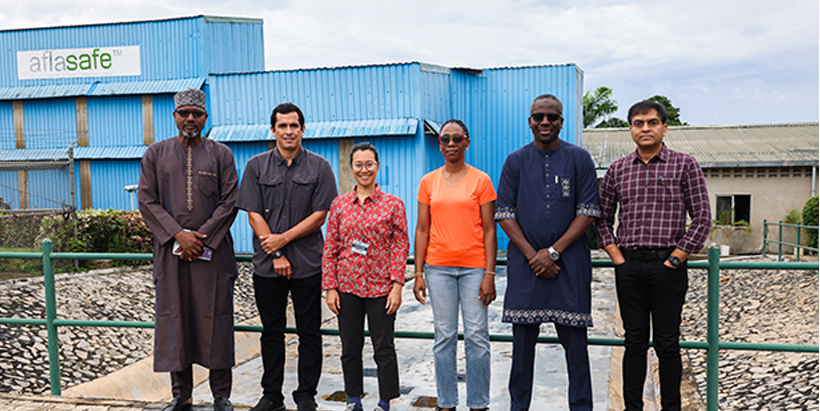
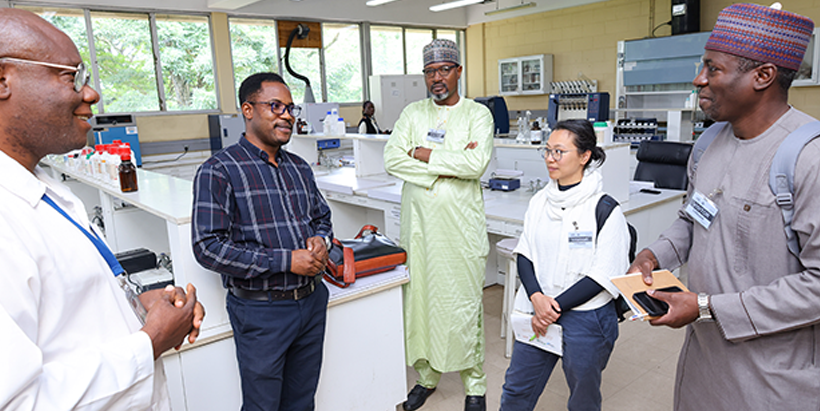
La délégation a visité les installations de l'IITA, notamment l'unité de virologie, le Centre des ressources génétiques (GRC), le pôle régional pour les engrais et la santé des sols, l'unité de transformation du manioc, l'unité de biosciences et les champs de maïs, de niébé et de soja. Elle a salué les efforts innovants de valorisation de diverses cultures et la qualité des produits finis, en particulier les divers produits sains dérivés du manioc.
Soulignant leur intérêt, ils ont fait part de leur désir de s'associer pour des cultures telles que le soja, le manioc et la banane plantain. L'équipe a également exprimé son intérêt pour des partenariats à court terme avec le Programme de traçabilité des semences de l'IITA et les initiatives Jeunes dans l'agroentreprise, ainsi que pour des collaborations à long terme sur la gestion et la recherche concernant l'aflatoxine.
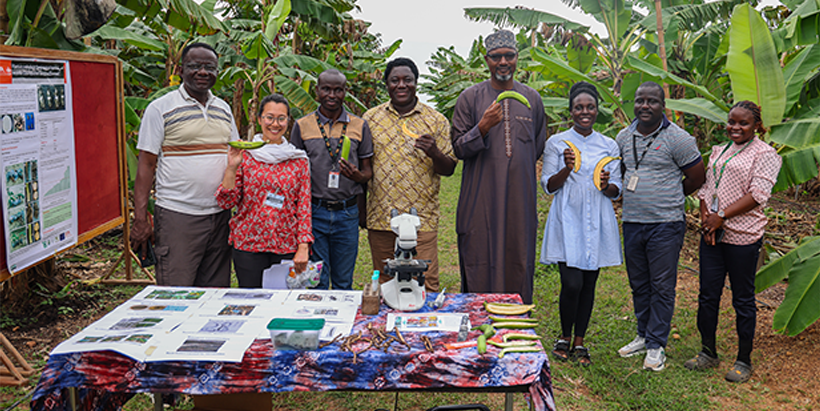
Réaffirmant leur engagement, le Dr Chan Huot a déclaré : “ Nous nous intéressons à l'agriculture sensible à la nutrition dotée de modèles économiques durables, et nous nous réjouissons que cela soit pratiqué à l'IITA de manière avancée. Nous avons vu de nombreuses cultures biofortifiées qui nous aideraient à développer des solutions nutritionnelles pour lutter contre la malnutrition, ce qui est notre objectif. ”
Elle a ajouté que son équipe prendrait contact avec les équipes de nutrition et d'amélioration génétique de l'IITA, et préparerait une note conceptuelle à l'intention de la direction de l'IITA afin d'inscrire ce partenariat dans une perspective plus large et plus porteuse d'impact.
Ensemble, l'IITA et le Groupe Nutriset visent à renforcer la sécurité alimentaire, à améliorer la nutrition et à promouvoir un développement agricole durable à travers l'Afrique.
Contribué par Ochuwa Favour Daramola et Alice Omoteji
Contribué par
Histoires récentes