
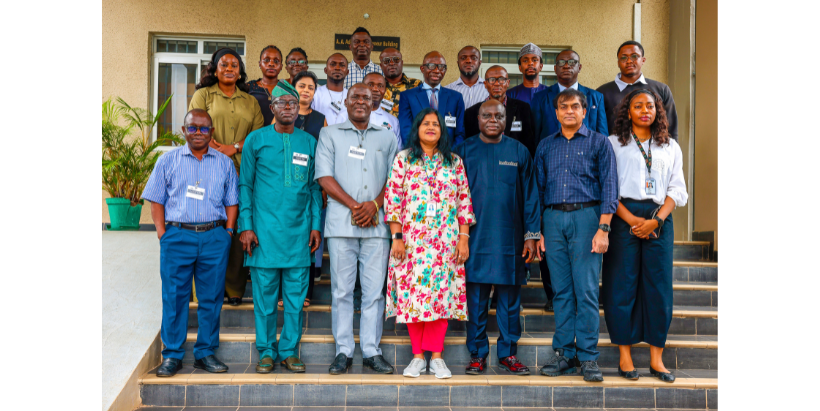
Oyo State Government, in pursuit of its Agribusiness transformation strategy to reposition the state’s economy, is taking steps to revive its cocoa sector through a three-year restoration initiative focused on improved planting materials, rehabilitation of aging farms, farmer capacity development, and digital traceability. The initiative, a brainchild of the Executive Governor of Oyo State, Engr. Seyi Makinde, brings together the Oyo State Government, the International Institute of Tropical Agriculture (IITA), the Cocoa Research Institute of Nigeria (CRIN), farmers, and private-sector actors to address declining productivity and strengthen the cocoa value chain.
Oyo State currently produces an estimated 33,000 metric tonnes of cocoa annually. The project aims to triple this output by improving farm productivity, expanding cultivated areas, strengthening seed systems, and creating greater opportunities for investment and market access.
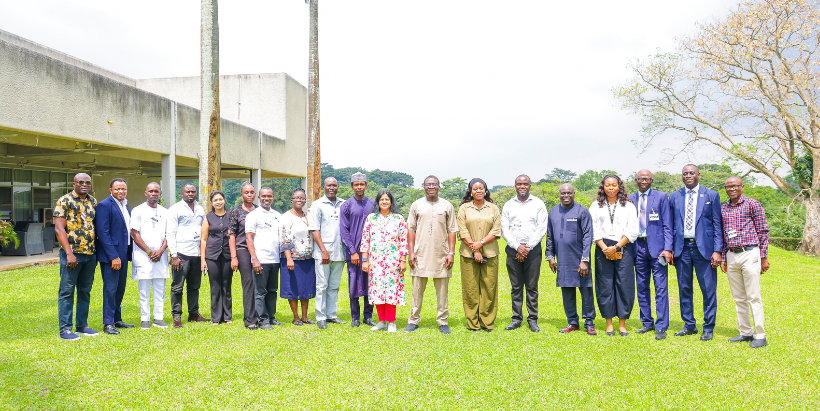
At a recent stakeholder planning meeting in Oyo State, participants agreed on eight priority areas: seed systems, rehabilitation of aging plantations, sustainable production practices, aggregation, processing, market access, digital traceability, and investment facilitation.
A major component of the initiative is the production of one million cocoa seedlings, beginning in October 2026. The seedlings are expected to support the establishment or rehabilitation of about 900 hectares of cocoa farms by mid-2027. IITA will serve as the lead organization, working closely with CRIN, Oyo State Agribusiness Development Agency (OYSADA), private nursery operators, and the Cocoa Farmers Association of Nigeria. Digital innovation will also play a key role. IITA presented the Cocoa Seed Tracker, developed under the Traceability and Resilience in Agriculture and Cocoa Ecosystems (TRACE) project. The platform enables the mapping and monitoring of seed producers and planting materials and has already registered more than 2,500 cocoa farmers across several Nigerian states.
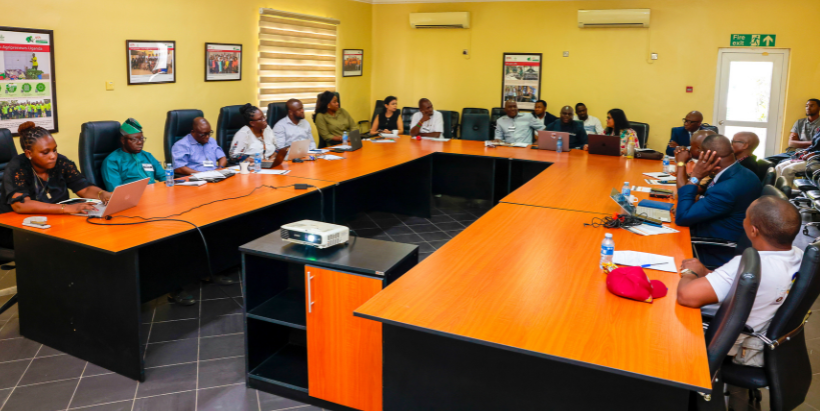
The initiative also places strong emphasis on youth and women, with opportunities emerging in seedling production, seed gardens, farm rehabilitation, aggregation, and other areas of the cocoa value chain. IITA’s youth agripreneurship program expressed interest in supporting young entrepreneurs, particularly in the emerging cocoa seed business. With most cocoa farms in the state operated by smallholder farmers and a significant proportion of plantations aging, stakeholders see the initiative as an opportunity to improve farmer incomes while positioning Oyo State as a stronger player in Nigeria’s cocoa industry.
The meeting marked an important step toward translating the state’s cocoa restoration ambitions into coordinated action, with government, research, farmers, and private-sector partners committing to work together to build a more productive, traceable, and sustainable cocoa sector.
Contribué par
Adebowale Akande
Histoires récentes