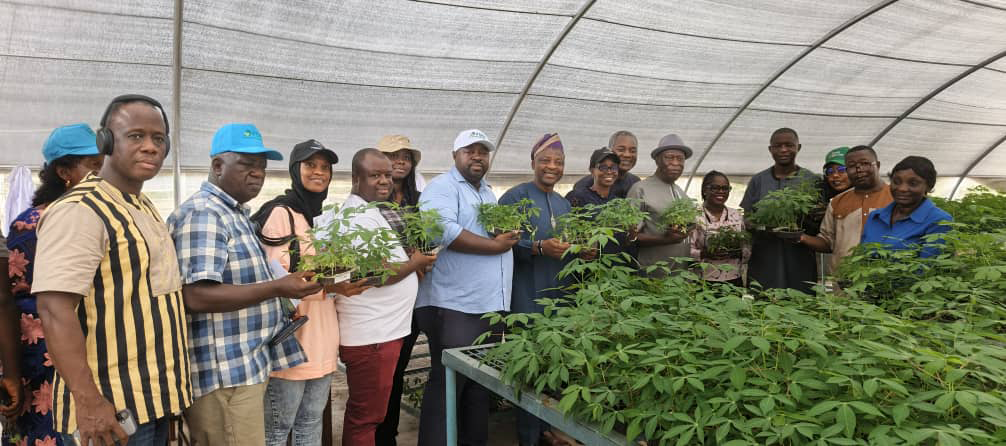
World Bank mission hails FSRP as key milestone in Sierra Leone’s agricultural transformation
A World Bank implementation support mission to Sierra Leone has expressed delight with the progress and results of the Food Systems Resilience Programme

A World Bank implementation support mission to Sierra Leone has expressed delight with the progress and results of the Food Systems Resilience Programme
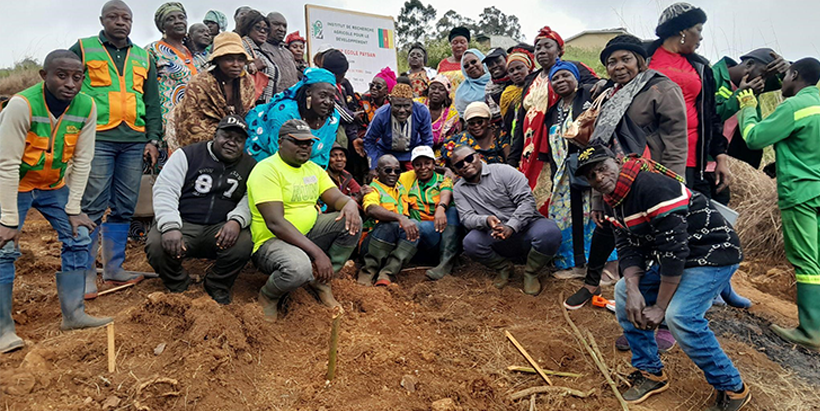
Across Cameroon, agriculture remains the backbone of rural livelihoods
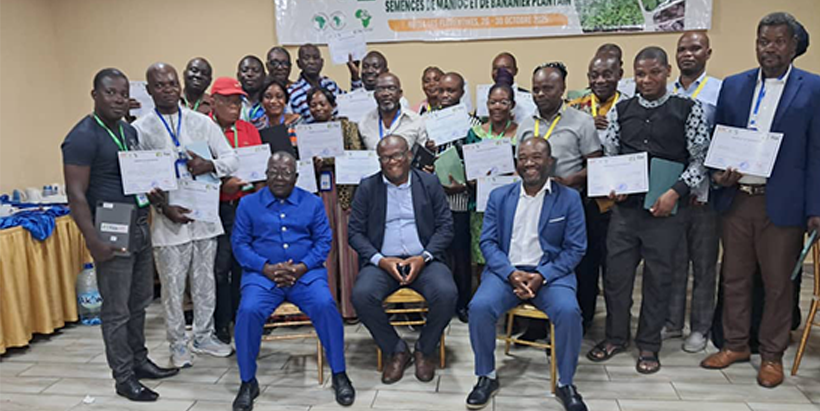
IITA-CGIAR is at the forefront of cassava and banana seed production in Gabon. The Ministry of Agriculture, in partnership with the International Institute of Tropical Agriculture (IITA)
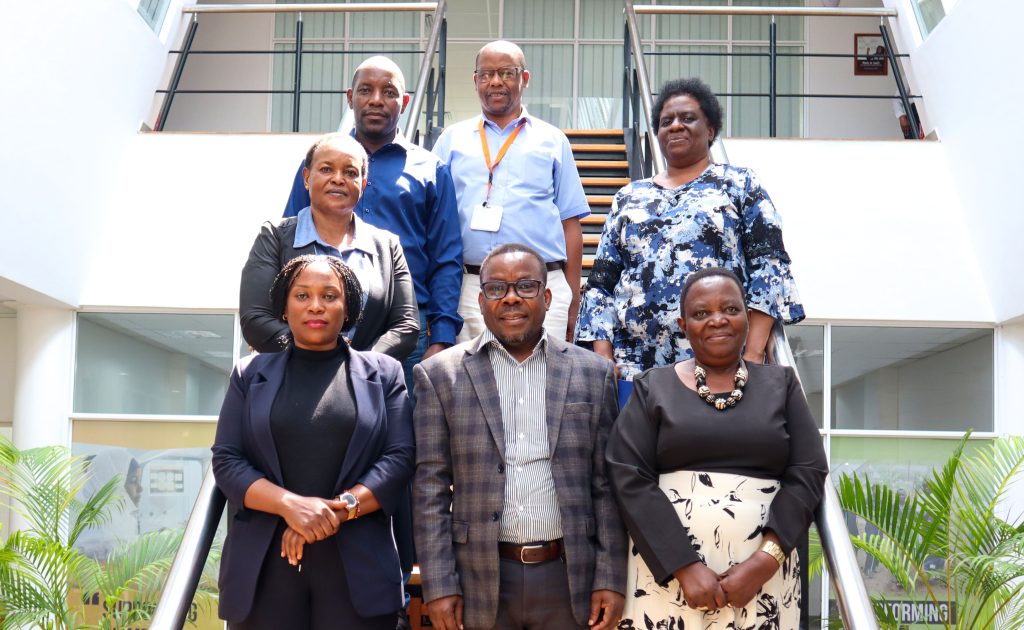
Cassava is the second crop in production volume with an average production of 6.3 million metric tons, and the third most important staple food crop after maize and rice in Tanzania.

On the sidelines of the Nigerian Plant Breeders Association (NPBA) Conference held in Abuja recently, IITA-CGIAR hosted a press conference to celebrate the recent recognition of Dr Mercy Diebiru-Ojo.
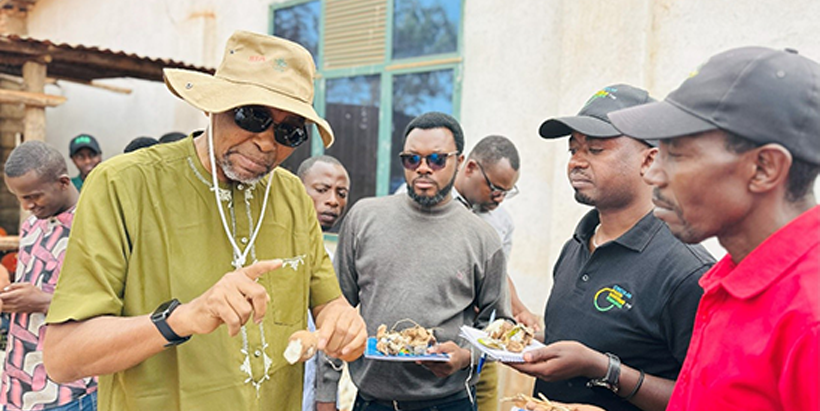
Rwanda’s livestock farmers are grappling with rising feed costs, particularly maize-based ingredients, which now sell for around 400-600 Rwf (USD 0.28-0.41) per kilogram.
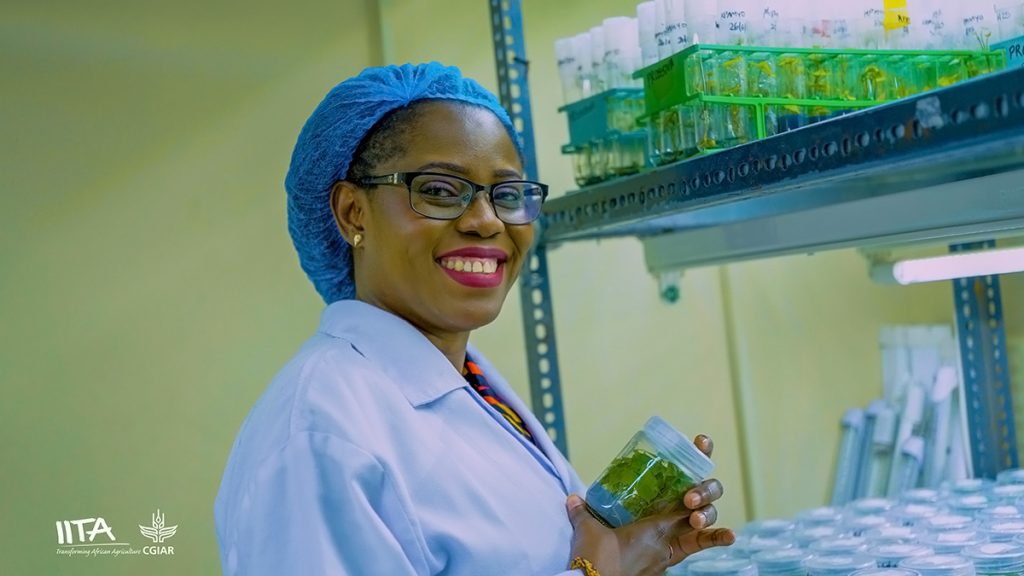
IITA-CGIAR proudly celebrates the recognition of Dr Mercy Diebiru-Ojo as one of the 2025 Africa Food Prize Laureates, honoring her outstanding contributions to advancing Africa’s agricultural transformation through the widespread promotion of a novel node culture technology for cassava and yam called Semi-Autotrophic Hydroponics (SAH).
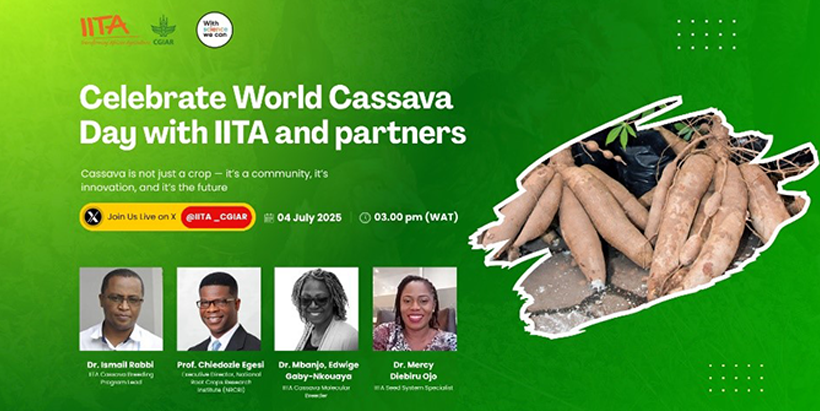
In Nigeria and across Africa, cassava is more than just a staple crop, it is a powerhouse of potential, silently yet profoundly driving food security, alleviating poverty, fostering sustainable livelihoods, and fueling an emerging entrepreneurial and industrial revolution.
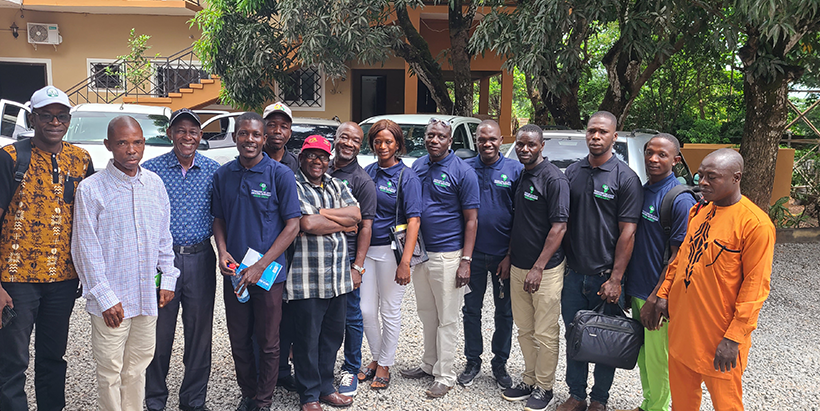
To strengthen cassava seed systems in Guinea, the TAAT Cassava Compact completed a two-day training workshop in Conakry from 2 to 3 June 2025.
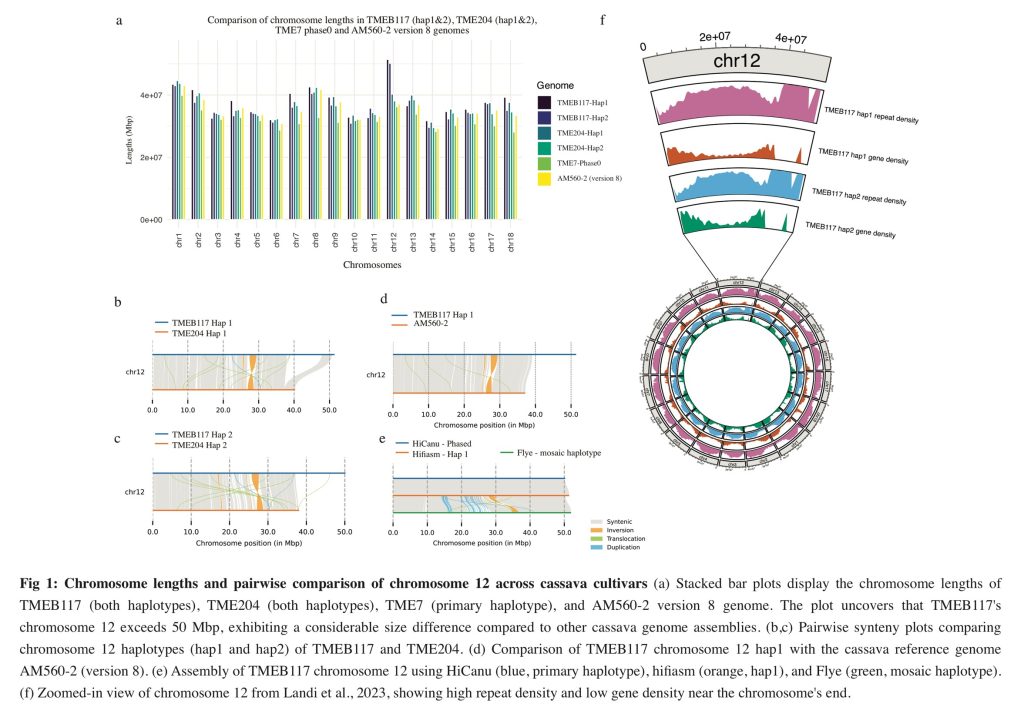
Science often throws us a curveball, and it came from cassava this time. Researchers have uncovered a massive, previously unknown chunk of DNA in a farmer-preferred cassava landrace, shedding new light on the crop’s genetic complexity.