
Le IITA-led Zero Hunger Initiative (ZHI), funded by the Fonds international de développement agricole (FIDA), organized a three-day, mid-term review of the Agricultural Transformation in the Nigerian Federal States and Togolese Regions towards achieving Zero Hunger Project in three states in Nigeria and two regions in Togo. The meeting took place from 22 to 24 September at IITA’s Ibadan headquarters and appraised the project’s progress.
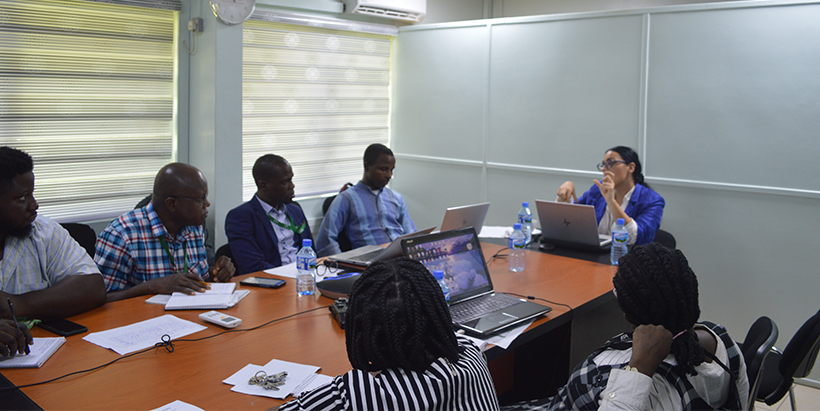
The mid-term workshop highlighted the project’s first phase successes and sustainability plans while outlining the action points for completion.
ZHI is focusing on goal two of the Sustainable Development Goals (SDGs) of the United Nations (UN) to eradicate food insecurity in West Africa. The project, being implemented by IITA and AfricaRice, is in collaboration with the governments of Nigeria and the Republic of Togo.
The project is achieving this by ensuring sustainable agriculture among smallholder farmers in rural communities in Benue, Ebonyi, and Ogun states in Nigeria; and the Kara and Plateaux regions of Togo.
During the meeting, IITA Deputy Director General, Partnerships for Delivery (DDG-P4D), Kenton Dashiell, appreciated IFAD’s contribution towards achieving a successful project. He stated that policy is the critical component of the ZHI project, and stakeholders should explore that as much as possible and ensure that activities are directed to serve as a stimulus to improve policies. These policies can, in turn, help farmers and stakeholders involved in achieving zero hunger.
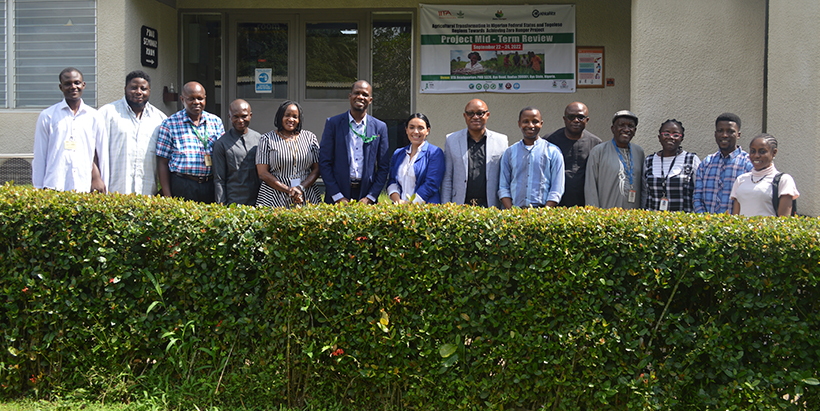
In addition, Dashiell mentioned that working with the right policymakers would lead to the successful implementation of the project with a larger population. “I would encourage the IITA-ZHI team to maximize this opportunity, and we would do our best to make sure this project reaches its peak,” he said.
ZHI Project Lead Adebowale Akande acknowledged IFAD for giving IITA and AfricaRice the opportunity to implement the project. He mentioned that ZHI has been filling the gaps in hunger eradication in the implementing states. “We are looking forward to your reviews on the project and also to including more states to spread the benefits of the project across Nigeria,” he said.
ZHI Monitoring, Evaluation, and Learning Manager, Oyewale Abioye, gave an overview of the three phases of the project impact pathway—policy analysis, technology and innovation, and policy engagement for technology uptake.
Abioye highlighted some of the project’s achievements, including policy instrument assessment, productivity increase of rice and cassava farming systems, training of trainers, and step-down training by extension agents and lead farmers.
Discussing the next steps with action points into 2023, the Zero Hunger project will spread across the project team and other stakeholders. This would begin with creating a plan of action, working with the media for visibility, and networking with development partners and other relevant stakeholders, including former Nigerian President Olusegun Obasanjo and other state governors.
He added that the team aims to continuously drive policies across the board and expand communication channels toward strengthening agricultural sustainability.
Wrapping up the meeting, IFAD representative, Dr Viviane Fillipi, commended the Zero Hunger team for the productive processes and outcomes. She also mentioned that IITA’s unique identity would be leveraged for implementing other projects. “I encourage the team to put in the same enthusiasm and determination in the second phase of the project,” she said.
Contribué par Anita Akinyomade
Contribué par
Histoires récentes