
Lilongwe, Malawi. L'Institut international d'agriculture tropicale (IITA) et l' Centre international d'amélioration du maïs et du blé récemment lancé un projet qui vise à étudier les moteurs et les obstacles à l'adoption de l'agriculture de conservation (AC) en Afrique australe et à développer des stratégies pour parvenir à son adoption et à un impact à grande échelle.
Le projet Comprendre et encourager l'adoption de l'agriculture de conservation dans les systèmes d'exploitation familiale de petite taille en Afrique australe (ACASA) appliquera la science sociale et la science de la mise à l'échelle pour comprendre les facteurs moteurs et les obstacles biophysiques, socio-économiques, institutionnels et politiques à l'adoption des technologies et des pratiques de l'agriculture de conservation.
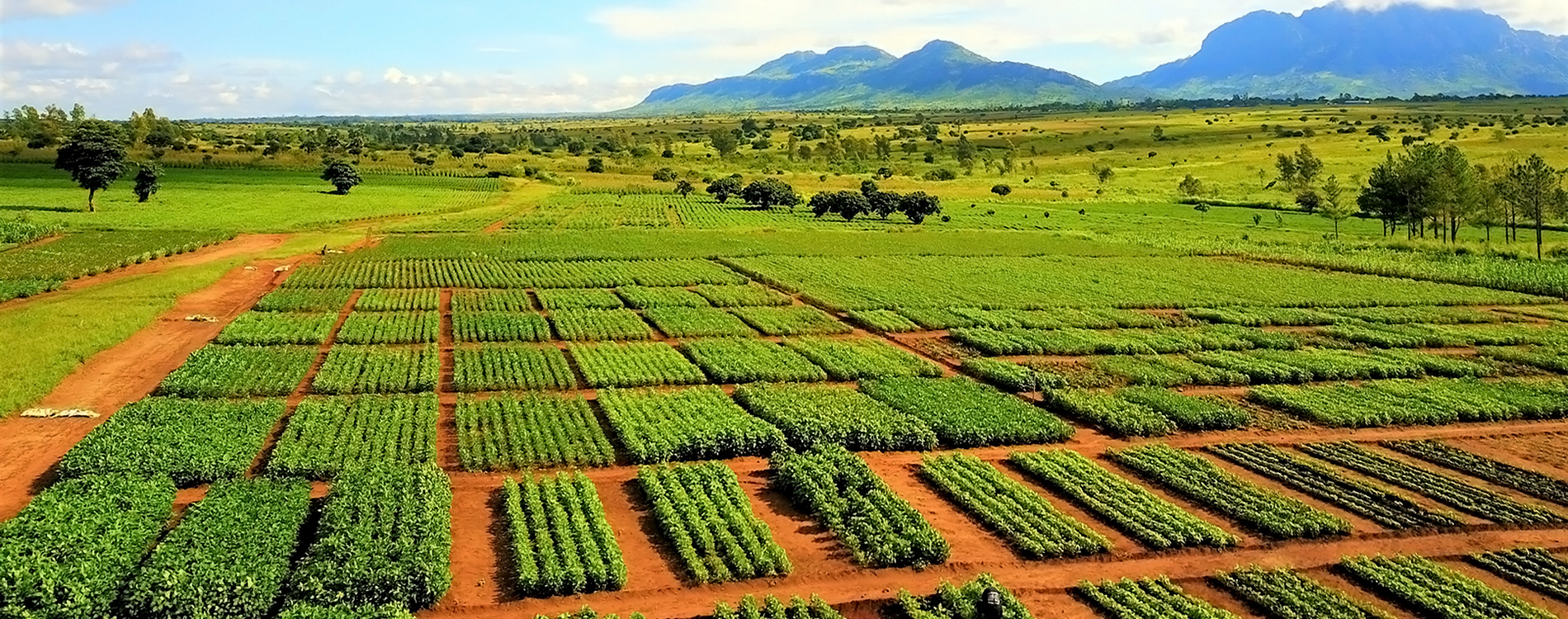
ACASA est soutenu par le Agence norvégienne de coopération au développement (Norad) et sera mis en œuvre au Malawi, en Zambie et au Zimbabwe en collaboration avec les parties prenantes de l'AC et les agriculteurs de la région.
Le projet a été officiellement lancé virtuellement le 16 septembre 2020 par le Ministre de l'Agriculture de la Zambie, l'hon. Michael Katambo.L'honorable Katambo a noté qu'il s'agissait d'une intervention opportune, car les moyens de subsistance et la sécurité alimentaire des petits agriculteurs en Afrique australe sont de plus en plus menacés par le changement climatique et sa variabilité, ce qui a entraîné un déclin constant de la production d'aliments de base et une augmentation du nombre de personnes en situation d'insécurité alimentaire et nutritionnelle au cours des dernières années.
“Il est désormais clair que l'on ne peut pas s'attendre à ce que les niveaux actuels de productivité et de production répondent à nos besoins en matière de sécurité alimentaire et nutritionnelle. Agriculture de conservation ” (L’AC) a un potentiel avéré pour accroître et stabiliser les rendements des cultures et pour soutenir des systèmes de production durables et résilients ainsi que les moyens de subsistance en milieu rural », a-t-il déclaré dans un discours lu en son nom par le Dr Moses Mwale, directeur du département de l'Agriculture du ministère.
L'AC, un système agricole qui favorise un minimum de perturbations du sol, une couverture permanente du sol et la diversification des espèces végétales, peut augmenter efficacement la productivité agricole tout en réduisant la dégradation des terres et en améliorant la santé des sols pour une agriculture plus productive, plus rentable et plus durable.
De nombreuses données expérimentales obtenues directement dans les exploitations ont mis en évidence les avantages agronomiques et économiques de l'agriculture de conservation, introduite pour la première fois dans les années 70 en Afrique du Sud. Par conséquent, des investissements importants ont été consentis par la communauté des bailleurs de fonds et les gouvernements nationaux pour promouvoir et étendre les technologies et les pratiques de l'agriculture de conservation auprès des petits exploitants agricoles de la région. Malgré tous ces efforts, le taux d'adoption par les petits exploitants reste toutefois faible.
“ Nous ne devrions pas laisser la faible adoption de l'agriculture de conservation nous décourager. Saisissons cette opportunité pour réfléchir, identifier le chaînon manquants et proposer des solutions plus durables à ce problème ”, a déclaré le Dr [Nom], directeur de l'IITA pour l'Afrique australe. David Chikoye, a déclaré lors du lancement.
“ Bien que l'adoption de pratiques améliorées par la plupart des agriculteurs aux ressources limitées soit principalement déterminée par les avantages immédiats potentiels sur les rendements des cultures, les profits, les risques et les moyens de subsistance, il existe un certain nombre de facteurs biophysiques, socio-économiques, institutionnels et politiques qui favorisent ou entravent l'adoption de l'agriculture de conservation. Le projet vise donc à identifier les moteurs et les obstacles à l'adoption et à élaborer des trajectoires et des stratégies pour une mise à l'échelle inclusive des pratiques de l'agriculture de conservation ”, a-t-il ajouté Dr Arega Alene, économiste agricole de l'IITA basé au Malawi, qui dirige le projet au sein de l'IITA.
S'exprimant également lors du lancement, Christian Thierfelder, Agronome principal des systèmes de culture au CIMMYT, a souligné que certains des obstacles à l'adoption de l'agriculture de conservation étaient liés davantage à des facteurs socio-économiques et culturels qu'à des facteurs biophysiques.
“ L'AC est un système agricole intelligent face au climat viable et éprouvé. Par conséquent, les futurs efforts de recherche devraient s'orienter vers la compréhension de la prise de décision et du changement de comportement des agriculteurs ainsi que de la rentabilité ’, a-t-il déclaré.
Les autres partenaires clés comprennent Organisation des Nations Unies pour l'alimentation et l'agriculture (FAO), Réseau africain pour le travail du sol de conservation et Centre de coordination de la recherche et du développement agricoles pour l'Afrique australe (CCARDESA).
Le lancement du projet a réuni des décideurs politiques, des donateurs, des membres des groupes de travail nationaux et régionaux sur l'AC, des institutions de recherche nationales et internationales, des universités, des institutions de développement international, des entreprises semencières privées, des organisations non gouvernementales et des organisations d'agriculteurs.
Contact presse :
Katherine Lopez, Responsable de la communication - IITA, Courriel : k.lopez@cgiar.org
Geneviève Renard, Directrice de la communication – CIMMYT, Courriel : g.renard@cgiar.org
Chef de projet :
Arega Alene, Économiste agricole à l'IITA, Courriel : a.alene@cgiar.org
À propos de l'IITA
Le Institut international d'agriculture tropicale est une institution à but non lucratif qui génère des innovations agricoles pour relever les défis les plus pressants de l'Afrique en matière de faim, de malnutrition, de pauvreté et de dégradation des ressources naturelles. En collaboration avec divers partenaires à travers l'Afrique subsaharienne, nous améliorons les moyens de subsistance, renforçons la sécurité alimentaire et nutritionnelle, augmentons l'emploi et préservons l'intégrité des ressources naturelles. L'IITA est membre du CGIAR, un partenariat mondial de recherche agricole pour un avenir axé sur la sécurité alimentaire.
À propos du CIMMYT
Le Centre international d'amélioration du maïs et du blé (CIMMYT) est le leader mondial de la recherche financée par des fonds publics sur le maïs et le blé ainsi que sur les systèmes agricoles associés. Basé près de Mexico, le CIMMYT collabore avec des centaines de partenaires dans le monde en développement pour accroître durablement la productivité des systèmes de culture du maïs et du blé, améliorant ainsi la sécurité alimentaire mondiale et réduisant la pauvreté. Le CIMMYT est membre du système CGIAR et dirige les programmes du CGIAR sur le maïs et le blé ainsi que la plateforme « Excellence in Breeding ». Le Centre bénéficie du soutien de gouvernements nationaux, de fondations, de banques de développement et d'autres organismes publics et privés. Pour plus d'informations, visitez www.cimmyt.org.
Contribué par
Histoires récentes