
Women are at the forefront of development in all sectors of society, and within the agricultural sector of developing countries, the labor burden of rural women exceeds that of men. Women account for approximately 60‒80% of agricultural labor while also handling complex household activities. The United Nations General Assembly declared 15 October as the International Day of Rural Women to celebrate the achievements and contributions of women in rural places toward rural and agricultural development,
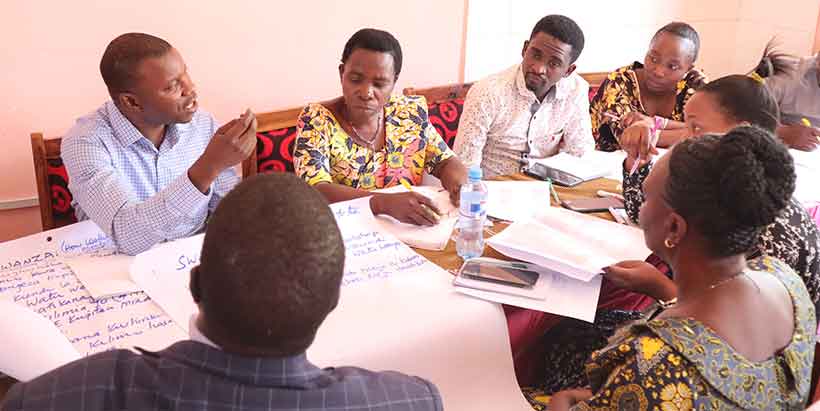
This year, the IITA–CGIAR Meilleur manioc project, which aims at developing gender-responsive cassava seed systems in Tanzania, celebrated rural women farmers with whom they work. The project team honored this important day, acknowledging the role rural women farmers play as active agents of economic and social development. IITA Post-Doctoral Gender Research Fellow Millicent Liani led this activity, noting that women have been hindered from successfully participating as Cassava Seed Entrepreneurs (CSEs) due to a lack of access to land, limited start-up capital, gendered social norms, and unpaid familial care duties. “We believe in a world free of limits placed on women; that is why we design and implement interventions to reach more women and marginalized groups with targeted outreach in the Western and Central Zones of Tanzania. We believe this will lead to a socially inclusive cassava seed system,” she highlighted in the Muhogo Bora project blog.
As part of the activities to empower more women as CSEs, Muhogo Bora is working to strengthen the linkages between the agricultural extension system—which comprises mainly male officers who have not recognized the specific constraints facing women farmers—and community development officers, to better support all cassava farmers with a significant focus on women.
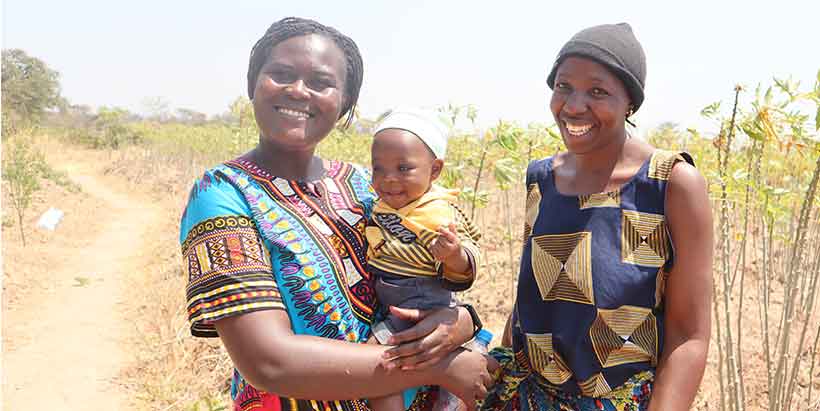
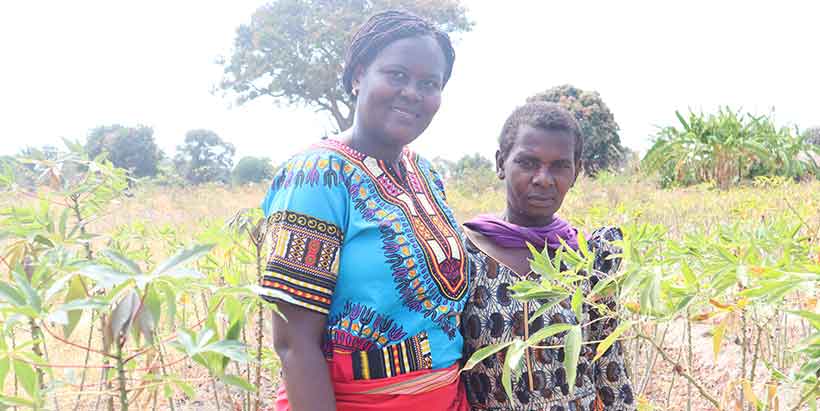
Tanzania women farmers were interviewed during the rural women’s day celebration to share their journey with a focus on their contributions and achievements in the cassava seed system. A cassava farmer in Tanzania’s Tabora Region, Flora Mazuke, revealed how she has been able to send her children to school and support her husband to build a house and purchase livestock through her earnings from cassava farming. “As a woman, I appeal for empowerment to get improved cassava seeds,” she added. Mariam Kauli, another cassava farmer in the region, also shared how she was able to pay some of her children’s dowry, send others to school, and build a house for herself through the money she earned from cassava farming.
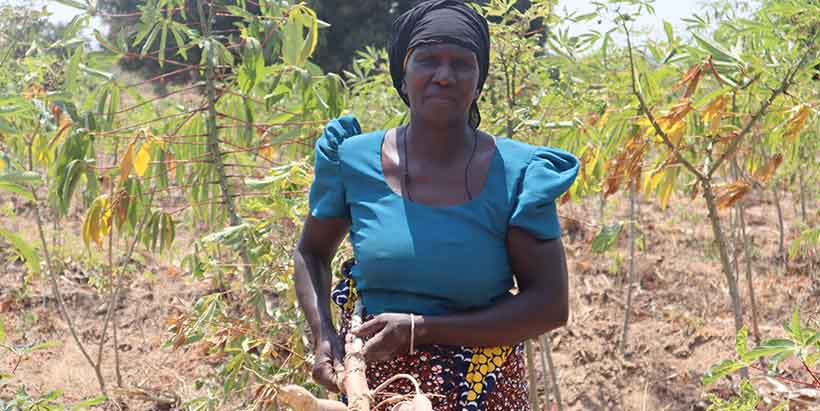
Liani and the team appreciated rural women cassava farmers across the globe for their resilience, hard work, and immense contribution to ensuring that there is food on every family table.
Contribué par Ochuwa Favour Daramola
Contribué par
Histoires récentes