
Varietal identification is a precursor to scaling improved cassava seed to smallholder farmers through the extension system. Six extension officers (one female and five male) and three lead farmers (two male, one female) from Benue State’s three senatorial districts recently received training in varietal identification under the IITA-led Zero Hunger project in May 2023.
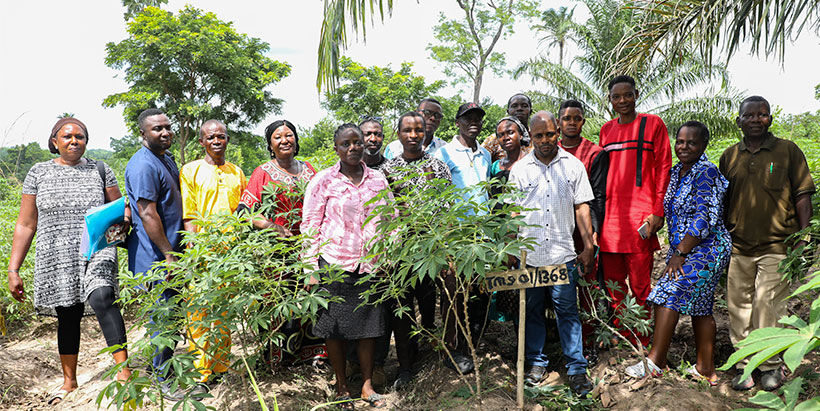
The training was conducted by a team of experts from IITA, University of Ibadan and the FIDA-funded Value Chain Development Program.
The training covered a range of topics, including the importance of varietal identification, names of each variety, the different methods of varietal identification, and benefits of varietal identification.
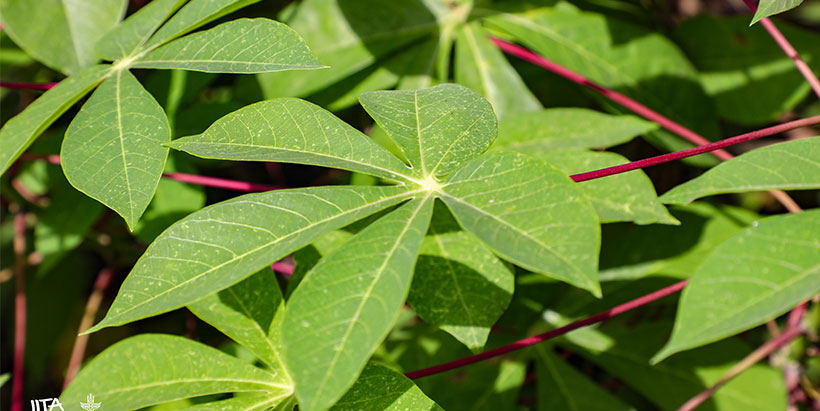
The extension officers were enthusiastic about the training and expressed a strong commitment to deploy the new skills to help farmers increase access to improved seed and increase their yields.
“I am very grateful for the opportunity to participate in this training. I learned a lot about varietal identification, and I am confident that I can now differentiate between local and improved varieties and give tailor-made advice to farmers on which variety to plant depending on location and which is good for seed or root”, one of the extension officers said.
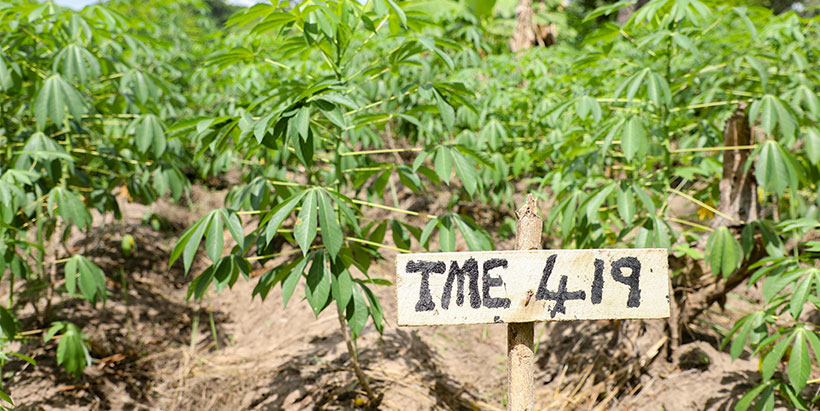
The training was a success, and the extension officers are better equipped to help farmers identify and select the right varieties of crops for their farms. This will help farmers to improve their yields and productivity, which will ultimately contribute to achieving zero hunger.
The training of the extension officers is a step in the right direction, and this will help to ensure that farmers have access to the right information and resources they need to make informed decisions about their crops said, Mr Ekoja, representative of the Value Chain Development Program.
Contributed by The ZeroHunger Team
Contribué par
Histoires récentes