
In developing countries, youth unemployment has received increasing attention in policy dialogue. Over half of Nigeria’s more than 200 million population is either unemployed or working in low-wage jobs. This has created a pathway to poverty and vulnerability to poverty, making young people engage in illegal activities or migrate illegally to wealthier countries in search of better opportunities.
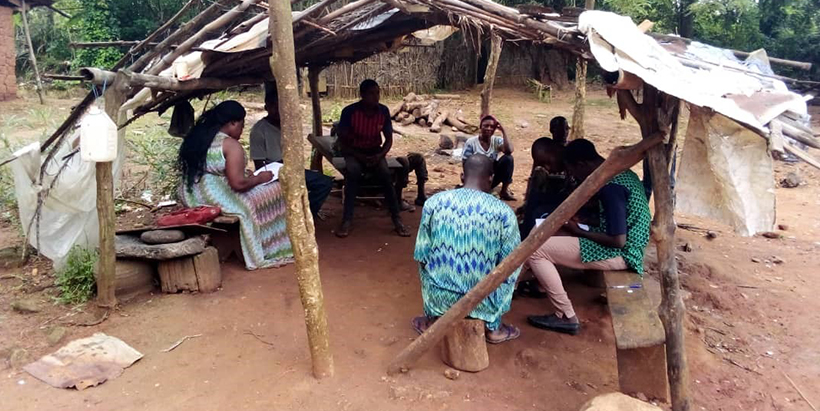
Researchers have noted that urgent policy and program reforms are imperative in solving this challenge, especially within the agricultural sector. Hence, some researchers recently conducted a étudier to evaluate the impact of youth participation in agribusiness programs (YIAPs) on poverty and vulnerability to poverty in Nigeria. The research, done in Ondo and Ogun states in southwestern Nigeria, was funded by the Fonds international de développement agricole (IFAD) and IITA.
The research led by Lateef Olalekan Bello, Research Fellow at IITA, analyzed data from a sample of 668 youth. The results revealed that the poverty headcount of the sampled youth was approximately 60%, using the international poverty line of $1.9 per day as the benchmark. The findings also showed that some socioeconomic and institutional factors, including gender, are responsible for influencing the poverty status of youth and their vulnerability to poverty.
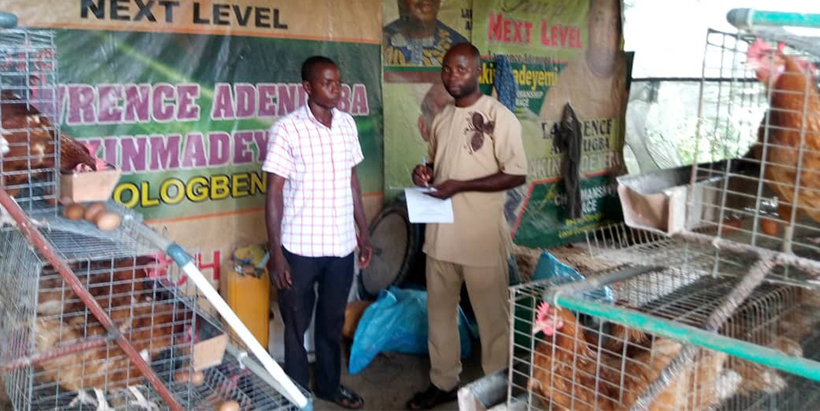
The impact estimate indicated that participation in an agribusiness program has a significant positive effect on poverty reduction among youths. It also showed a potential 28% reduction in exposure to future poverty for non-participants if they had participated in a YIAP. The results suggested that intervention programs, such as YIAPs focusing on skill acquisition and youth empowerment, be strengthened and scaled up to improve youth welfare and reduce or eradicate poverty and vulnerability to poverty.
The researchers mentioned that the significant effect of gender on poverty and vulnerability to poverty suggests that female youth should be encouraged to participate in agribusiness. They also concluded that giving the same enrolment quota to both gender groups in agribusiness programs could enhance female participation in the sector and reduce poverty among them.
Lateef said, “This study affirms the poverty-reduction impact of YIAP. Hence, we recommend subsequent implementation of YIAP in different parts of the country.”
Contribué par Ochuwa Favour Daramola
Contribué par
Histoires récentes