
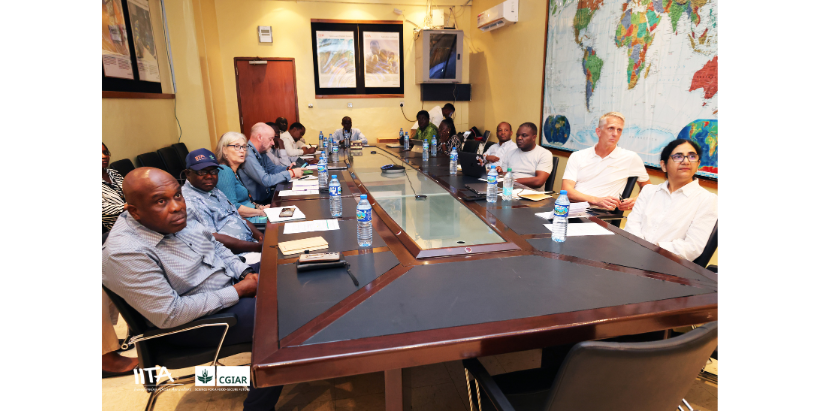
IITA et PowerPollen Inc. are exploring pollen preservation and on-demand application approaches that could improve breeding efficiency for root, tuber, and banana (RTB) crops in Africa.
The engagement took place during a two-week technical visit by Dr Rita Gandhi and Dr Todd Krone of PowerPollen Inc., USA, to IITA’s headquarters in Ibadan from 17 to 29 August. The visit brought together the PowerPollen team and technical experts from IITA’s Banana, Cassava, Yam, and Genetic Resources Center (GRC) programs.
The technical engagement focused on developing and refining protocols for the collection, storage, preservation, and use of pollen from RTB crops. The objective was to improve the availability and quality of pollen for breeding activities and, ultimately, to support more efficient and sustainable crop improvement.
During an introductory meeting with IITA Management, the PowerPollen team highlighted the company’s expertise in pollen preservation and application technologies. The discussions also explored opportunities for broader technical collaboration, building on PowerPollen’s work with banana, cassava, and yam—three crops central to IITA’s research mandate. The delegates subsequently met with technical teams from the Banana, Cassava, Yam, and GRC programs to review planned activities, expected outputs, and technical priorities. The discussions examined existing breeding workflows and approaches for improving the management and use of pollen across the different crops.
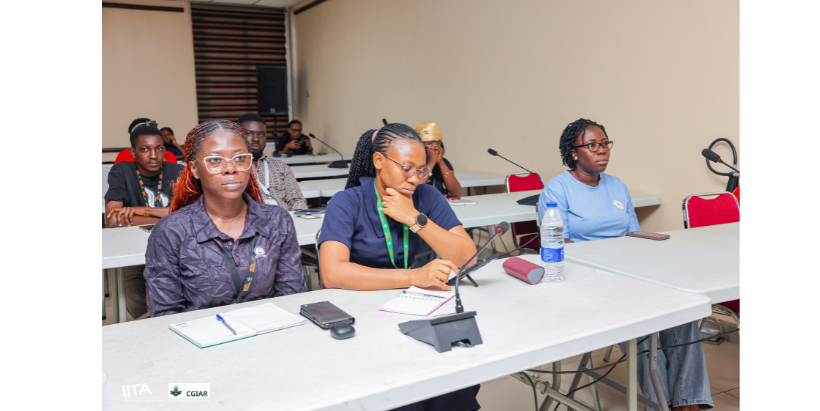
A major highlight of the visit was a seminar titled “Strategies and Opportunities to Enhance Seed Production: An Overview by PowerPollen,” delivered by Dr Gandhi and Dr Krone to IITA scientists.
Dr Krone explained that PowerPollen was established about 11 years ago in response to a major challenge in crop breeding: pollen is often unavailable at the precise time it is required for pollination and seed production. The company developed an approach that involves collecting pollen from the field, preserving it, storing it under controlled conditions, and applying it when needed. According to Dr Krone, the technology can help bridge the gap between conventional seed set and the biological potential of crops by making pollen available beyond the period in which it would naturally remain viable.
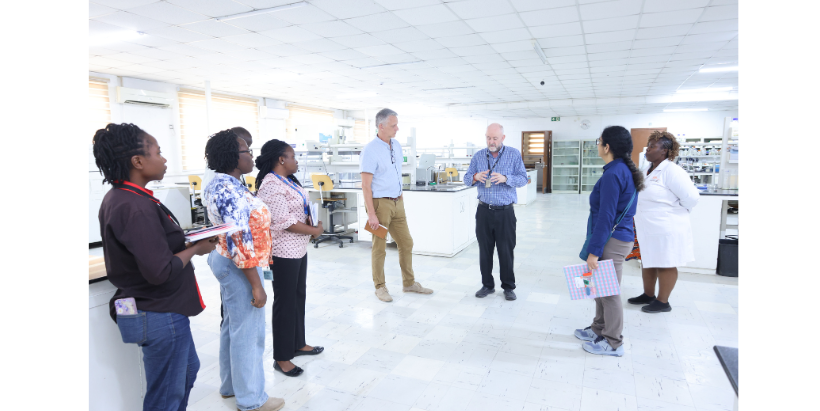
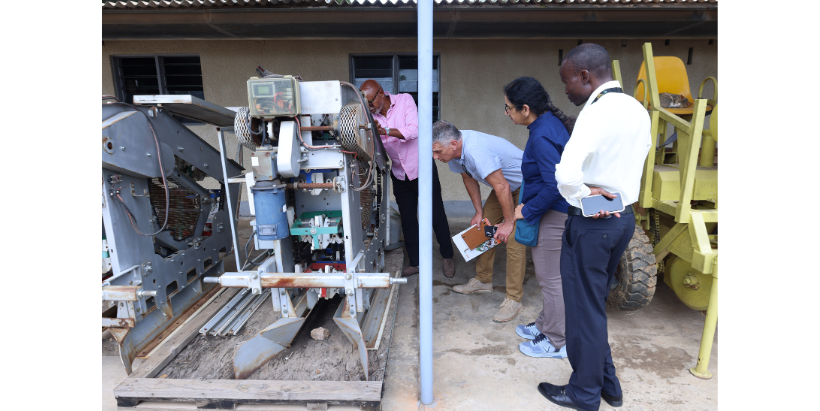
The technical exchange extended beyond presentations and discussions. The delegates visited IITA’s banana, cassava, and yam fields, where they reviewed existing protocols and workflows with breeding teams. They also toured key research facilities, including the GRC, Bioscience Center, Virology, Diagnostics and Germplasm Health Unit, Nematology Laboratory, Food and Nutrition Laboratory, and Farm Unit.
The field and laboratory engagements provided opportunities for hands-on learning and deeper discussions on pollen preservation, germination, viability, and pollination. They also helped identify areas requiring further technical investigation and collaboration.
At the conclusion of the visit, the teams discussed how to translate the knowledge and practical lessons gained into action. They also explored opportunities for additional technical visits, continued knowledge exchange, project development, and expanded collaboration in pollen preservation and crop breeding.
This is another step in strengthening partnerships and innovation to improve breeding efficiency, accelerate the development of improved RTB crop varieties, and contribute to more sustainable seed production in Africa.
Contribué par
Ochuwa Favour Daramola