
A paper on the use of fertilizer and the misperceived quality by farmers in the Morogoro region of Tanzania has won second place in the Agricultural and Applied Economics Association (AAEA) Africa Section Best Publication of 2021 Award competition.
The AAEA Africa section, Best Publication Award, recognizes and enhances professional excellence in agricultural and applied economics, with a selection process based on achievements in areas like research, teaching, and extension activities in Africa.
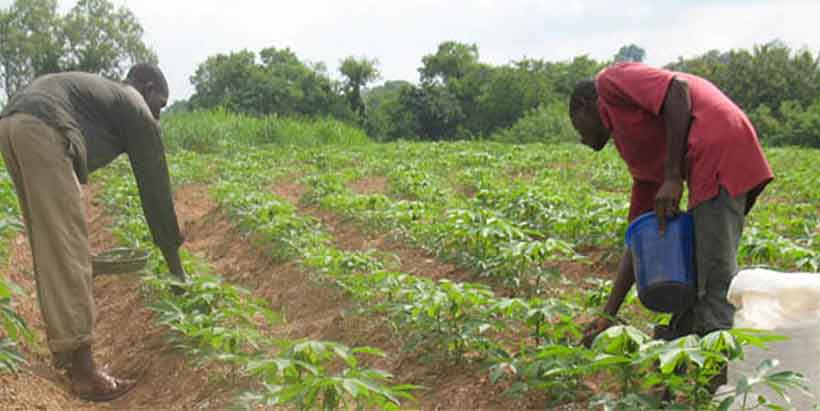
The paper—published by five researchers from IITA, the University of Illinois, and the University of Sussex—explores farmers’ fertilizer adoption and use behavior in the region while looking into the causes for poor adoption patterns.
According to the study, a belief of rampant product adulteration persists among farmers in the Morogoro region. It also showed evidence of a quality inference problem in the market, with about 25% of fertilizers deteriorating in observable ways. While farmers rely on these observable attributes to (incorrectly) assess unobservable nutrient quality, the study showed that this misperception likely reduces technology adoption beyond the effect of unobservable nutrient quality.
The willingness-to-pay exercise carried out under the study also suggests that farmers in the Morogoro region are attentive to the physical appearance of the fertilizer. In a context of incomplete and asymmetric information, a fertilizer’s observable appearance may be among the signals that farmers try and use to infer unobservable quality.
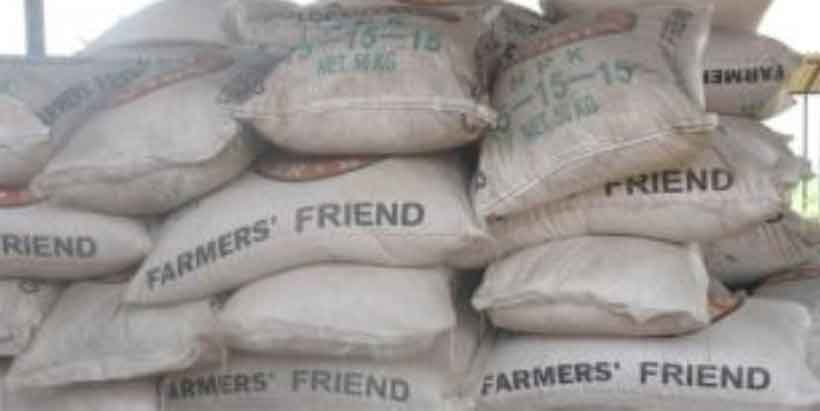
The paper, co-authored by IITA-East Africa Emeritus Director Victor Manyong, states that the farmers’ suspicions about quality may partially explain the slow uptake of fertilizer in Tanzania.
Titled “Misperceived quality: Fertilizer in Tanzania”, the paper also received an honorable mention at this year’s competition. According to the organizers, the award recognizes research relevant to the African continent. It promotes opportunities for collaboration among members of the AAEA Africa Section and other professionals in academia, industry, and government.
Proposé par Timilehin Osunde
Contribué par
Histoires récentes