
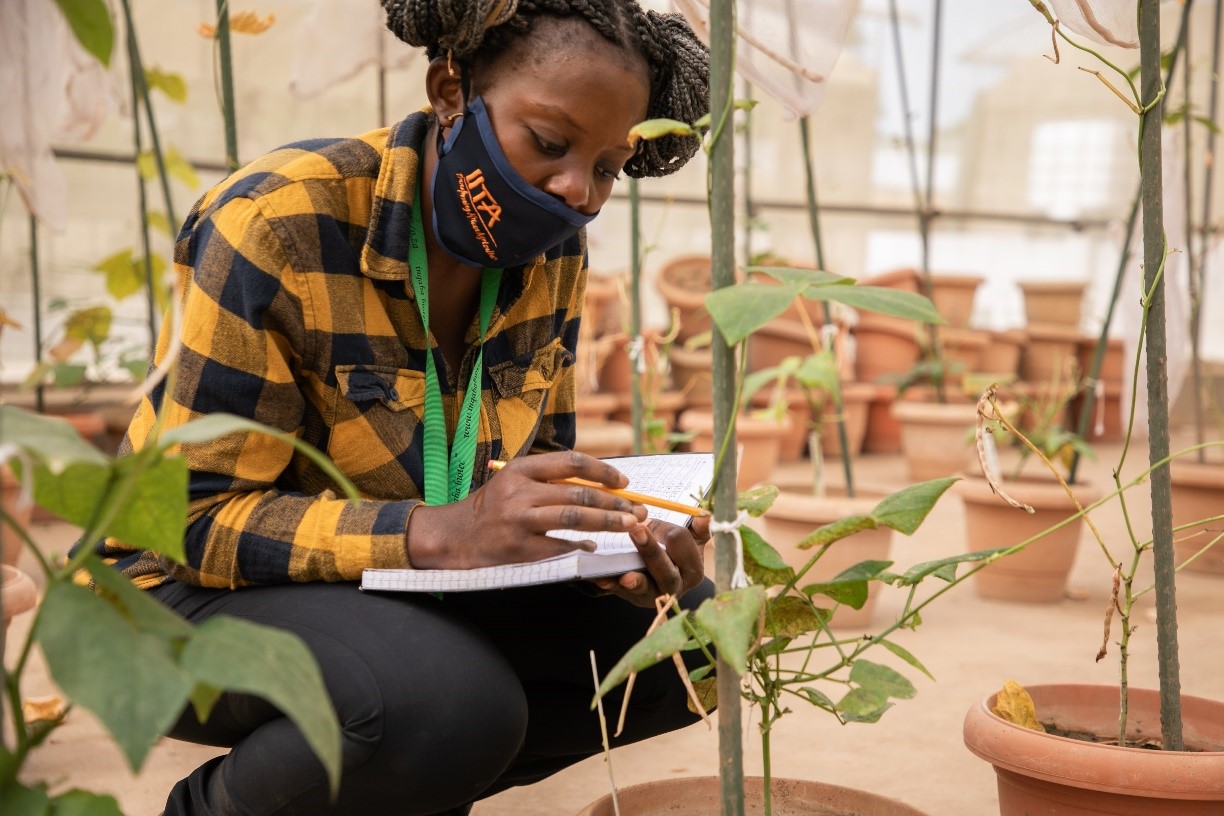
Cowpea, a vital legume crop in sub-Saharan Africa, nourishes millions and supports rural economies. Yet, its productivity is under siege by a persistent enemy: cowpea anthracnose disease (CAD). Recent research has identified the causal agents of CAD in Nigeria, challenging previous understanding of the disease in the country.
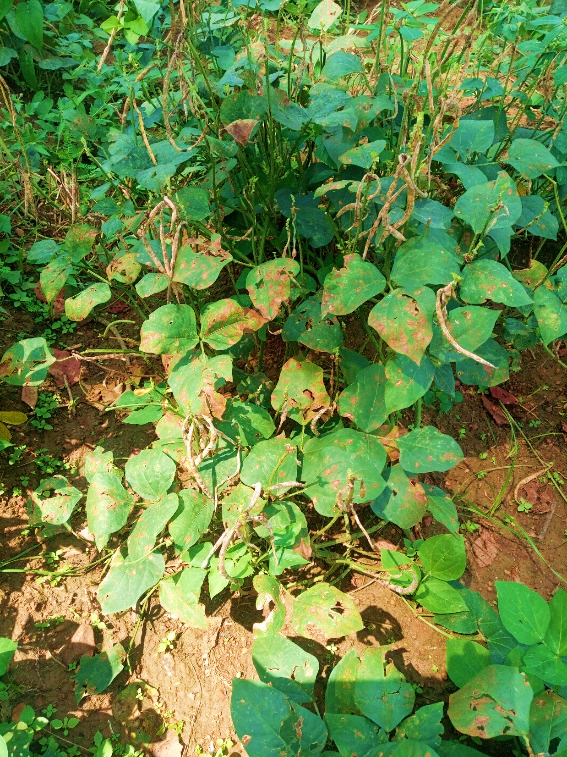
Historically, Colletotrichum lindemuthianum et C. destructivum were considered the primary pathogens responsible for CAD in Nigeria. However, researchers from IITA, Obafemi Awolowo University Institute of Agricultural Research and Training, O.A.U., and the University of Ibadan conducted an in-depth investigation using traditional and molecular diagnostic methods. Their study, spanning four Nigerian states, led to a significant discovery: two species, C. chrysophilum, et C. siamense, are the causal agents of CAD in Nigeria. This is the first global report identifying these species as CAD pathogens.
Relying on morphological classification to assign isolates to their corresponding species often leads to misclassification due to similarities among species. By sequencing six key genes (ITS, ACT, GADPH, TUB, ApMat, and CAL) from Colletotrichum isolates collected in cowpea fields in the étudier, the researchers were able to correctly classify the obtained isolates as C. chrysophilum et C. siamense, both belonging to the C. gloeosporioides species complex. Unlike previous reports, C. lindemuthianum et C. destructivum were undetected in the studied regions.
Identifying C. chrysophilum et C. siamense as CAD pathogens has major implications for CAD management. Current CAD management practices in Nigeria, including fungicide applications and using resistant varieties, were developed based on C. lindemuthianum et C. destructivum. Findings from the study emphasize the need to reassess these strategies and evaluate their effectiveness against the newly identified pathogens. Additionally, screening large cowpea germplasm collections for resistance to C. chrysophilum et C. siamense will be essential for future breeding efforts.
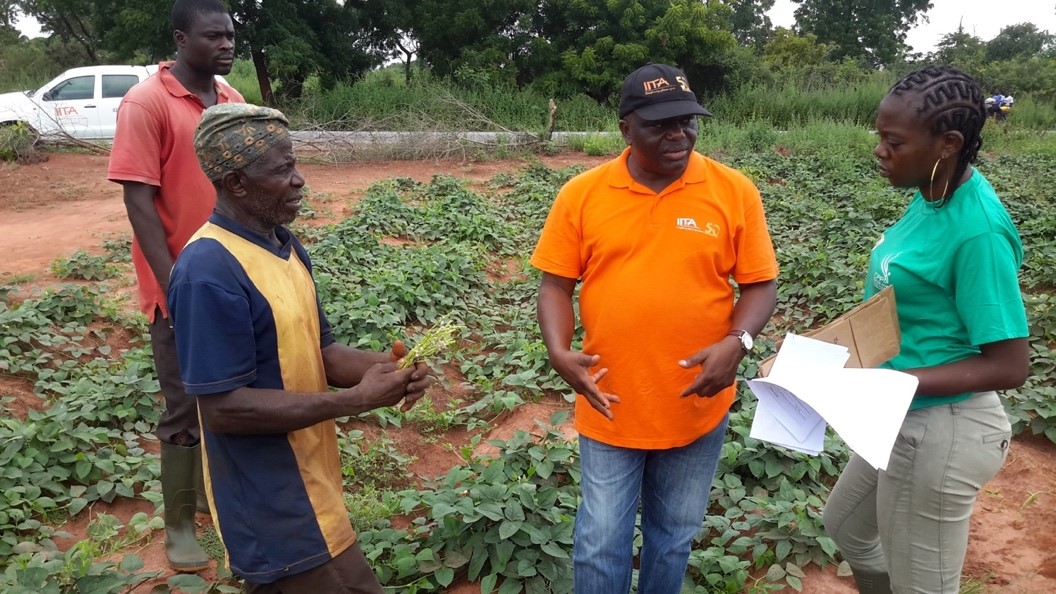
This study reinforces the importance of molecular characterization in plant pathology. Accurate pathogen identification enables the development of targeted interventions, improving control measures. These findings also call for similar investigations in other cowpea-growing regions to develop a more comprehensive understanding of CAD in Africa and beyond.
Cowpeas are a cornerstone of food security and rural livelihoods in several African regions. The crop requires robust protection against pests and diseases. These discoveries mark a significant step toward improved CAD management in Nigeria, ensuring more sustainable production through science-driven innovations.
Contribué par ‘Timilehin Osunde
Contribué par
Histoires récentes