
IITA–CGIAR, in collaboration with Mennonite Economic Development Associates (MEDA), Tanzania Official Seed Certification Institute (TOSCI), Tanzania Agricultural Research Institute (TARI), and the Ministry of Agriculture under the Building Economically Sustainable Seed Systems for Cassava (BASICS-II) project conducted a two-day training to local media reporters to effectively communicate and advocate for cassava seed system and cassava value chain in Tanzania. The workshop trained the media journalists on communicating effectively on the cassava value chain, which would help them disseminate accurate information to the communities. The training was held recently at the IITA Eastern Africa hub office in Dar es Salaam.
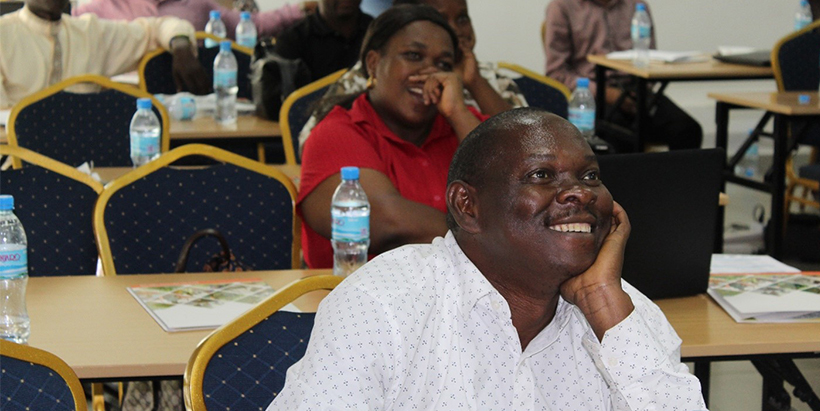
During the training, the IITA Head of Advocacy and Resource Mobilization, Regina Kapinga, noted that cassava offers multiple marketing opportunities for farmers and processors. “The goal is to put journalists at the forefront in promoting the crop and opportunities still untapped along the value chain to the farmers and agricultural stakeholders across the country,” she said.
Head of Communication at the Ministry of Agriculture, Hudson Kamoga, noted that private sector actors play a significant role in agriculture. Thus it is difficult for the government to work alone, whereas the government has a massive strategy to advance the agriculture sector by ten percent by 2030.
“The Ministry of Agriculture values IITA’s efforts in developing the sector, and I promise we will keep working together. I also appreciate the work done by journalists, as you have been inspiring us through your agricultural publications,” Kamoga said.
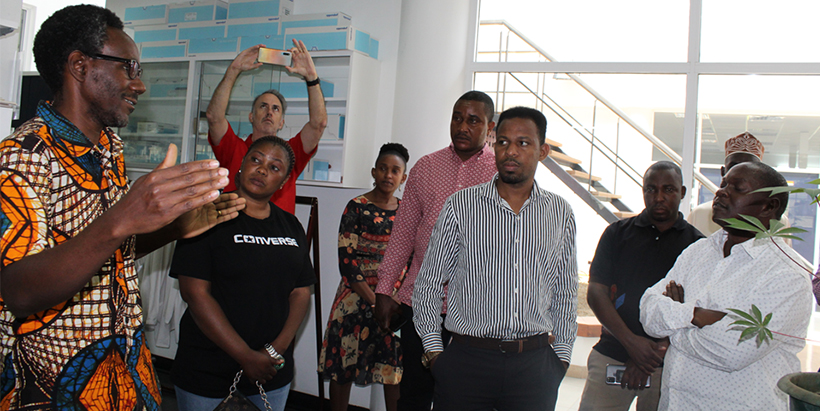
The participants learned about foundational topics, including the cassava profile, cassava seed system, breeding systems, certification process, diseases, and the potential of using improved varieties, digital tools used in cassava agronomy (NURU, AKILIMO, and Seed Tracker), and the role of media in promoting the seed systems.
IITA Assistant Projects Manager and Resource Mobilization for East African Hub, Bahati Maregeri, stressed the need to spread the commercialized cassava seed systems to the farming communities for more adoption to increase productivity, improve food safety, and boost income.
“Even though we conduct research, not many people are aware of the commercialized cassava seed system. This has not yet been on farmers’ minds since they believe they can get local seeds from their neighbors, which is bad because such seeds are easily susceptible to diseases. We need your support to inform the communities in simple language,” Maregeri emphasized.
During the training, the participants prepared the strategic communication calendar for disseminating cassava production information to the communities according to the planting season. The participants also toured the modern state-of-the-art facilities, such as the Science building with five laboratories, where IITA’s local and international research are carried out.
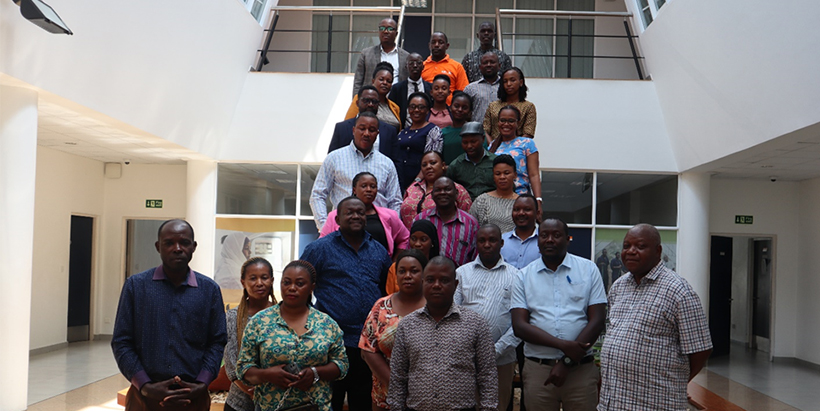
On behalf of the participants, the agricultural reporters’ association chairperson, Gerald Kitabu, urged his fellow journalists to write and report cassava-related news accurately without misleading the public. “Journalists must have credible sources of information. IITA is a good platform to connect with researchers who will provide us with factual findings; let’s use them effectively,” Kitabu noted.
In her closing remarks, IITA Director for Eastern Africa Hub, Leena Tripathi, noted that partnerships between IITA and media houses are critical for both parties to achieve their mission and contribute to developing the country’s agricultural sector.
“This is a continuous partnership, not just for the BASICS-II project but also for the entire Institute. Today, you are being trained on cassava under the BASICS-II project; next time, you might be here to work on other crops like banana, maize, beans, or other IITA technologies,” Tripathi anticipated.
The BASICS-II project aims to provide farmers with access to affordable, quality-assured seed of cassava varieties in demand by local food and processor markets by strengthening a commercially viable seed value chain operating across breeder, basic, and commercial or certified seed levels. This value chain will enable more efficient dissemination and adoption of superior varieties to improve productivity, increase the incomes of cassava growers and seed entrepreneurs, improve gender equity, and contribute to inclusive agricultural transformation in Tanzania and Nigeria.
Contributed by Hadi Rashid
Contribué par
Histoires récentes