
IITA se joint Des acteurs africains sont à Kigali pour tracer la voie vers une agriculture durable
Kigali, Rwanda – 4 septembre 2024 – Le lundi 2 septembre 2024, Kigali est devenue l'épicentre de la transformation agricole de l'Afrique alors que des experts, des décideurs politiques et des dirigeants du secteur privé se sont réunis pour une table ronde essentielle sur le Plan d'action pour les engrais et la santé des sols en Afrique (AFSH-AP) et le Initiative pour les sols en Afrique (SIA). L'événement, coorganisé par la Coalition des acteurs de mise en œuvre pour les engrais et la santé des sols (CIFSH) et l'Alliance pour une révolution verte en Afrique (AGRA) en partenariat avec Partenaires de co-développement,a mis en lumière les défis urgents et les opportunités pour assurer l'avenir agricole de l'Afrique.
La table ronde a constitué une tribune essentielle pour aborder la santé des sols, pierre angulaire de la révolution agricole en Afrique. Face à la dégradation généralisée des sols qui menace la sécurité alimentaire sur l'ensemble du continent, les discussions se sont concentrées sur la transition de déclarations à des mesures concrètes visant à restaurer la santé des sols et à stimuler la production alimentaire.
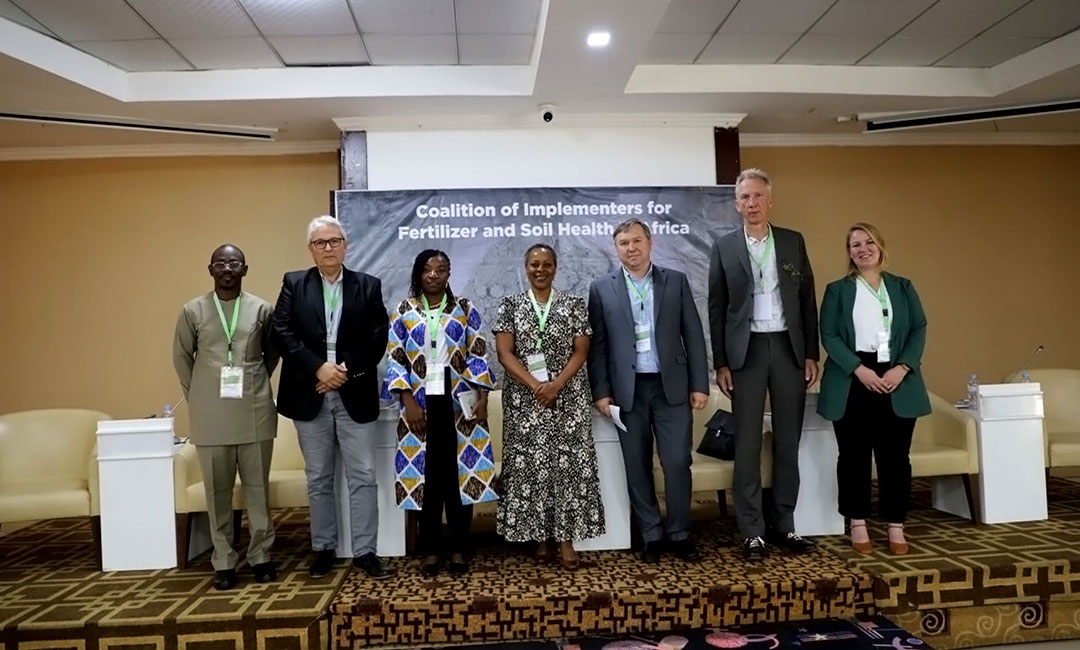
Le rôle pivot de l'IITA dans la santé des sols
En tant que membre éminent du CIFSH, l'Institut international d'agriculture tropicale (IITA), représentant l'Initiative CGIAR Excellence in Agronomy, a joué un rôle crucial dans l'élaboration des discussions sur la santé des sols. L'expertise approfondie et les recherches de l'IITA en matière de gestion des sols et de pratiques agricoles ont été déterminantes pour orienter les travaux de la table ronde vers des solutions concrètes. Les contributions de l'institut ont souligné le besoin impératif d'approches fondées sur des données probantes en matière de santé et de fertilité des sols, reflétant son engagement à promouvoir des pratiques agricoles durables à travers l'Afrique.
Une transition vers des solutions nationales
Un thème central a été la nécessité de passer d'une dépendance à l'égard du financement des donateurs à la mobilisation de ressources nationales. Les participants ont souligné que la transformation agricole durable ne peut être réalisée que si les gouvernements et les institutions africains prennent les devants. En investissant des ressources nationales, en mobilisant des hauts fonctionnaires et en alignant les politiques sur les besoins locaux, l'Afrique peut stimuler des progrès significatifs dans les initiatives de santé des sols.
Henk van Duijn, président-directeur général de l'IFDC et représentant du CIFSH, a déclaré : “ Au cœur de la transformation agricole de l'Afrique se trouve notre ressource la plus essentielle : le sol. Les discussions à Kigali ont souligné le besoin urgent de passer des déclarations à des actions coordonnées qui restaurent et maintiennent la santé des sols. ”
Les partenariats stratégiques sont apparus comme un autre élément essentiel des discussions.
“Les défis sont grands et ne seront pas résolus par une seule institution. L'AGRA est fière de co-diriger et de s'associer à la Coalition des acteurs de mise en œuvre pour les engrais et la santé des sols afin de relever les défis critiques auxquels est confrontée l'agriculture africaine. En travaillant ensemble, nous pouvons libérer le potentiel agricole du continent et garantir un avenir plus durable et prospère pour tous.“ a déclaré le Pr Tilahun Amede, directeur de l'adaptation au climat, de l'agriculture durable et de la résilience à l'AGRA. Il a également souligné l'importance de solutions localisées, du renforcement de l'innovation des agriculteurs et d'une distribution améliorée du dernier kilomètre.
Le rôle du secteur privé dans la transformation
La table ronde a également mis en lumière le rôle crucial du secteur privé, en particulier des petites et moyennes entreprises (PME), dans cette transformation. Les participants ont plaidé pour une implication active des PME dans la coordination et la mise en œuvre de projets sur la santé des sols. En tirant parti de l'innovation et de l'agilité des PME, l'Afrique peut intensifier ses efforts pour améliorer la santé des sols et la productivité agricole.
Approches fondées sur les données
De plus, l'importance de systèmes robustes de collecte de données et de suivi a été soulignée afin de garantir que les ressources sont allouées efficacement. En suivant les indicateurs clés de performance (ICP) et en ciblant les zones à fort impact, les parties prenantes peuvent prendre des décisions éclairées pour stimuler la réussite des programmes de santé des sols.
Améliorer l'apprentissage croisé et la synergie
Les participants ont souligné l'importance de l'apprentissage croisé et de la synergie à différents niveaux. Les pôles régionaux ont été identifiés comme essentiels pour favoriser l'échange transfrontalier de connaissances et le partage de technologies. À l'échelle continentale, les efforts se concentreront sur la coordination des actions et le renforcement de la collaboration entre les pôles régionaux, les organes continentaux et les partenaires mondiaux. Cette approche vise à rationaliser la coordination et à faciliter le partage des meilleures pratiques et des innovations.
De la politique à l'action : les prochaines étapes
Antony Chapoto, directeur exécutif du Réseau africain des instituts de recherche en politiques agricoles (ANAPRI), a prononcé un discours d'ouverture captivant, soulignant la nécessité pour l'Afrique de passer des déclarations politiques à une mise en œuvre concrète et opérationnelle. “ Pour transformer véritablement le paysage agricole de l'Afrique, nous devons nous engager dans des actions concrètes et adaptées au contexte local ”, a-t-il affirmé. “ Cela nécessite des initiatives dirigées par l'Afrique qui impliquent toutes les parties prenantes et répondent aux besoins locaux. Un investissement accru dans la R&D et le développement de systèmes de suivi robustes sont cruciaux pour un progrès significatif. ”
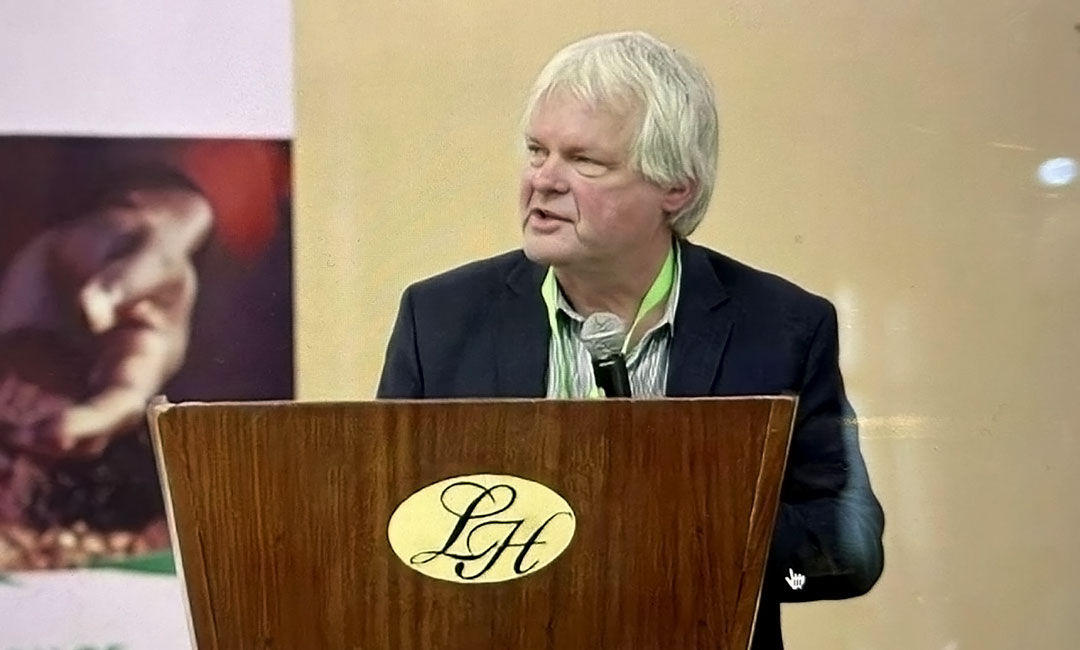
Le Dr Bernard Vanlauwe, directeur de la recherche et du développement à l’Institut international d’agriculture tropicale (IITA), a souligné le rôle de l’institut dans la promotion de la santé des sols. “ Les discussions de la table ronde ont clairement montré que, si les défis sont importants, les opportunités sont tout aussi vastes. Nous devons désormais passer de la discussion des solutions potentielles à leur mise en œuvre sur le terrain. Les recherches approfondies et l’expertise de l’IITA en matière de gestion des sols sont essentielles pour élaborer des stratégies pratiques et fondées sur des données probantes. En alignant nos efforts sur les priorités nationales et régionales, et en favorisant des collaborations solides, nous pouvons réaliser des progrès significatifs dans l’amélioration de la santé des sols et de la productivité agricole à travers l’Afrique. ”
La table ronde s'est conclue par un appel à l'action retentissant : la vision d'une Afrique à l'abri de l'insécurité alimentaire, soutenue par des sols fertiles et résilients, doit se concrétiser par des efforts coordonnés et menés par l'Afrique. Cela comprend le développement de pôles régionaux, la mobilisation des pays prêts à faire progresser les initiatives en matière de santé des sols et d'utilisation des engrais (SHFU), et l'optimisation des connaissances et des ressources existantes.
Alors que l'Afrique se trouve à un moment charnière de son parcours agricole, les discussions de Kigali ont jeté les bases d'une action transformatrice. Grâce à des efforts coordonnés, des partenariats solides et un accent mis sur la durabilité, l'Afrique dispose d'une opportunité unique de garantir son avenir alimentaire et de veiller à ce que ses sols restent sains et productifs pour les générations à venir. “ En mobilisant des ressources nationales et internationales, en faisant participer les centres de recherche et de connaissance, et en nouant des partenariats stratégiques, nous pouvons garantir l'avenir agricole de l'Afrique et veiller à ce que nos sols restent fertiles pour les générations à venir ”, a ajouté Henk van Duijn.
À propos de la Coalition des agents de mise en œuvre pour les engrais et la santé des sols :
La Coalition des acteurs de la mise en œuvre pour les engrais et la santé des sols (CIFSH) est un consortium d'organisations de premier plan, comprenant Forum pour la recherche agricole en Afrique (FARA), Centre international de développement des engrais, Institut africain de la nutrition des plantes, et le Institut International d'Agriculture Tropicale (IIAT). Le CIFSH se consacre à la résolution des problèmes de santé des sols et d'engrais en Afrique en favorisant la collaboration avec les parties prenantes régionales et nationales afin de promouvoir des pratiques agricoles durables à travers le continent.
Pour plus d'informations, veuillez contacter :
Barbra Sehlule Muzata
Conseiller en communication
Coalition des acteurs de la mise en œuvre pour les engrais et la santé des sols
B.Muzata@cgiar.org
Contribué par
Histoires récentes