
IITA joins African Stakeholders and in Kigali to Chart a Path for Sustainable Agriculture
Kigali, Rwanda – September 4, 2024 – On Monday 2 September 2024, Kigali became the epicenter of Africa’s agricultural transformation as experts, policymakers, and private sector leaders gathered for a critical roundtable on the the African Fertilizer and Soil Health Action Plan (AFSH-AP) and the Soil Initiative for Africa (SIA). The event, co-hosted by the Coalition of Implementors for Fertilizers and Soil Health (CIFSH) and the Alliance for a Green Revolution in Africa (AGRA) in partnership with the Joint Development Partners, brought to light the pressing challenges and opportunities in securing Africa’s agricultural future.
The roundtable was a vital platform for addressing soil health, a cornerstone of Africa’s agricultural revolution. With widespread soil degradation threatening food security across the continent, discussions focused on transitioning from declarations to actionable steps aimed at restoring soil health and boosting food production.
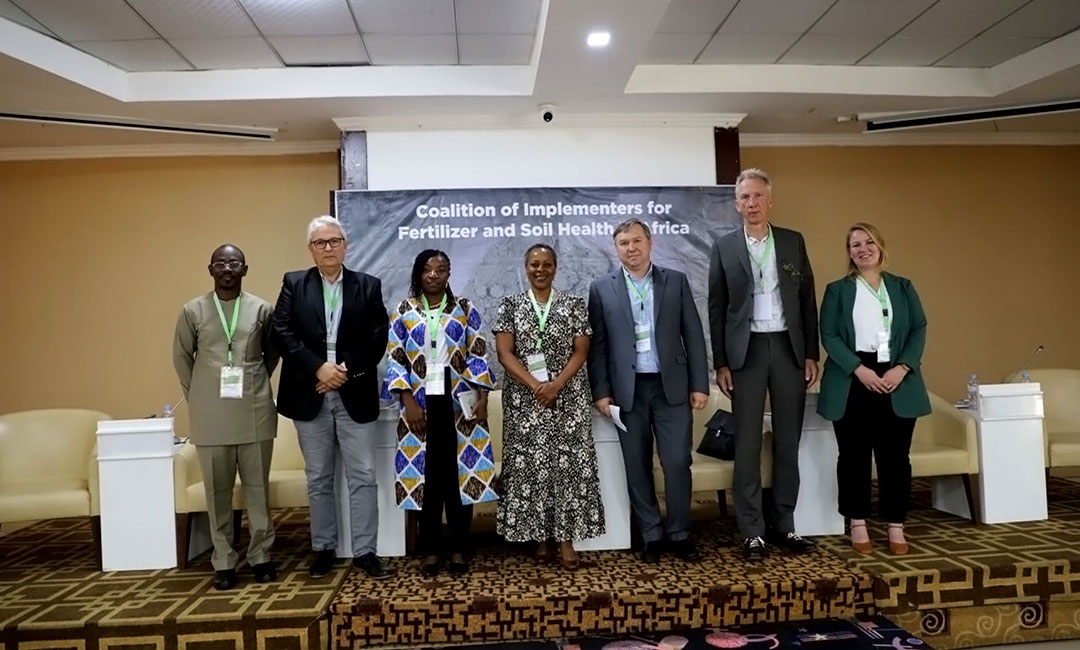
IITA’s Pivotal Role in Soil Health
As a leading member of CIFSH, the International Institute of Tropical Agriculture (IITA), representing the CGIAR Excellence in Agronomy Initiative, played a crucial role in shaping the discussions on soil health. IITA’s extensive expertise and research in soil management and agricultural practices were instrumental in guiding the roundtable’s focus on actionable solutions. The institute’s contributions underscored the critical need for evidence-based approaches to soil health and fertility, reflecting its commitment to advancing sustainable agricultural practices across Africa.
A Shift Toward Domestic Solutions
A central theme was the imperative to shift from reliance on donor funding to mobilizing domestic resources. Participants emphasized that sustainable agricultural transformation can only be achieved if African governments and institutions take the lead. By investing national resources, engaging high-level officials, and aligning policies with local needs, Africa can drive significant progress in soil health initiatives.
Henk van Duijn, President & CEO of IFDC and representative of CIFSH, stated, “At the heart of Africa’s agricultural transformation is our most critical resource—soil. The discussions in Kigali have underscored the urgent need to move beyond declarations and focus on coordinated actions that restore and sustain soil health.”
Strategic partnerships emerged as another critical component of the discussions.
“The challenges are big and would not be solved by one institution, AGRA is proud to co-lead and partner with the Coalition of Implementors for Fertilizers and Soil Health to address the critical challenges facing Africa’s agriculture. By working together, we can unlock the continent’s agricultural potential and ensure a more sustainable and prosperous future for all“ said Prof Tilahun Amede, Director of Climate Adaptation, Sustainable Agriculture and Resilience of AGRA. He also emphasized the importance of localized solutions, strengthening farmer’s innovation and a strengthened last-mile delivery.
Private Sector’s Role in Transformation
The roundtable also spotlighted the crucial role of the private sector, particularly small and medium enterprises (SMEs), in this transformation. Participants advocated for the active involvement of SMEs in coordinating and implementing soil health projects. By leveraging the innovation and agility of SMEs, Africa can scale up efforts to improve soil health and agricultural productivity.
Data-Driven Approaches
Additionally, the importance of robust data collection and monitoring systems was emphasized to ensure resources are allocated effectively. By tracking key performance indicators (KPIs) and targeting high-impact areas, stakeholders can make informed decisions to drive the success of soil health programs.
Enhancing Cross-Learning and Synergy
Participants underscored the significance of cross-learning and synergy across various levels. Regional hubs were identified as crucial for fostering cross-border knowledge exchange and technology sharing. At the continental level, efforts will concentrate on coordinating actions and enhancing collaboration between regional hubs, continental bodies, and global partners. This approach aims to streamline coordination and facilitate the sharing of best practices and innovations.
From Policy to Action: The Next Steps
Antony Chapoto, Executive Director of the Africa Network of Agricultural Policy Research Institutes (ANAPRI), delivered a compelling keynote, stressing the need for Africa to move from policy declarations to tangible, actionable implementation. “To truly transform Africa’s agricultural landscape, we must commit to concrete, localized actions,” he asserted. “This requires African-led initiatives that engage all stakeholders and address local needs. Increased investment in R&D and the development of robust monitoring systems are crucial for meaningful progress.”
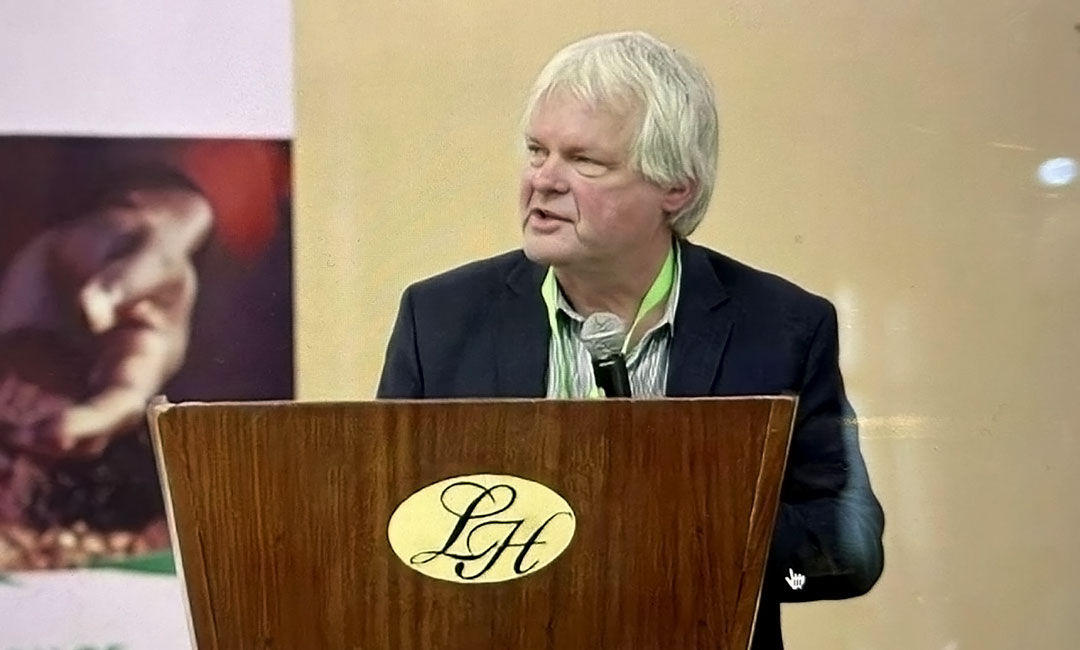
Dr. Bernard Vanlauwe, Director for Research and Development at the International Institute of Tropical Agriculture (IITA), highlighted the institute’s role in advancing soil health. “The roundtable discussions have made it clear that while the challenges are significant, the opportunities are equally vast. Our focus must now shift from discussing potential solutions to implementing them on the ground. IITA’s extensive research and expertise in soil management are crucial for developing practical, evidence-based strategies. By aligning our efforts with national and regional priorities, and fostering strong collaborations, we can drive significant progress in improving soil health and agricultural productivity across Africa.”
The roundtable concluded with a resounding call to action: the vision of a food-secure Africa, supported by resilient and fertile soils, must be realized through coordinated, Africa-led efforts. This includes developing regional hubs, engaging countries ready to advance Soil Health and Fertilizer Use (SHFU) initiatives, and leveraging existing knowledge and resources.
As Africa stands at a pivotal moment in its agricultural journey, the discussions in Kigali have set the stage for transformative action. With coordinated efforts, robust partnerships, and a focus on sustainability, Africa has a unique opportunity to secure its food future and ensure its soils remain healthy and productive for generations to come. “By mobilizing domestic and international resources, engaging research and knowledge centers, and forming strategic partnerships, we can secure Africa’s agricultural future and ensure that our soils remain fertile for generations to come,” added Henk van Duijn.
About the Coalition of Implementors for Fertilizers and Soil Health:
The Coalition of Implementors for Fertilizers and Soil Health (CIFSH) is a consortium of leading organizations, including the Forum for Agricultural Research in Africa (FARA), International Fertilizer Development Centre (IFDC), African Plant Nutrition Institute (APNI), and the International Institute of Tropical Agriculture (IITA). CIFSH is dedicated to addressing soil health and fertilizer challenges in Africa by fostering collaboration with regional and national stakeholders to drive sustainable agricultural practices across the continent.
For more information, please contact:
Barbra Sehlule Muzata
Communications Advisor
Coalition of Implementors for Fertilizers and Soil Health
B.Muzata@cgiar.org
Contributed by
Recent stories