
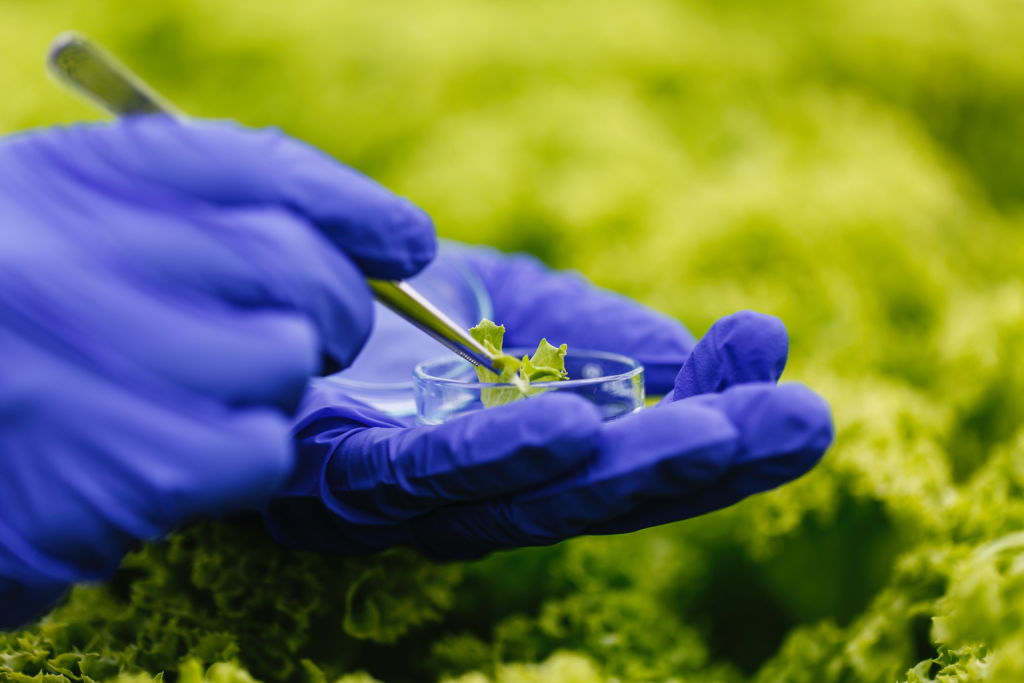



The International Institute of Tropical Agriculture has operated in Mali since 1980, supporting agricultural transformation across the Sudano-Sahelian zone. Through its Sahel Africa Hub, IITA works to reduce hunger and poverty by promoting improved agricultural technologies, strengthening food systems, and enhancing the resilience of smallholder farmers.
In collaboration with national and international partners, IITA focuses on climate-smart agriculture, crop improvement, and sustainable intensification to improve food security, nutrition, and incomes—particularly for women, youth, and vulnerable communities.
Location
Bamako, Mali
IITA-Mali, ICRISAT Station, Samanko, Bamako, MAli
Tel: +234 2 241 2626
Contacts
Abdoulaye Tahirou
t.abdoulaye@cgiar.org
Odiambo Eveline
e.odiambo@cgiar.org
Scaling climate-resilient agricultural technologies through initiatives such as the Climate-Smart Agricultural Technologies (CSAT) project to improve productivity and resilience in drought-prone regions.
Promoting early-maturing, drought- and heat-tolerant varieties of staple crops such as sorghum, millet, and cowpea to enhance yield stability and food security.
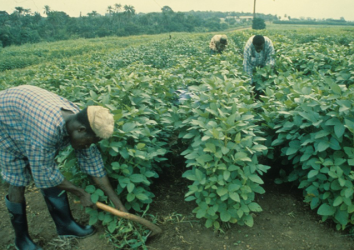
Supporting the adoption of nutrient-rich crops like soybean and legumes to improve household nutrition and diversify farming systems.
Advancing innovative approaches such as Black Soldier Fly (BSF) systems to convert organic waste into animal feed and organic fertilizer.
Strengthening national research systems and farmer capacity through training, collaboration, and participation in regional initiatives such as Africa RISING.
Promoting youth engagement through training, entrepreneurship support, and participation in agricultural value chains.
Implementation of integrated technologies combining improved varieties, soil management, and climate-resilient practices across multiple regions in Mali.
Development and dissemination of early-maturing and stress-tolerant varieties of sorghum, millet, and cowpea adapted to Sahelian conditions.
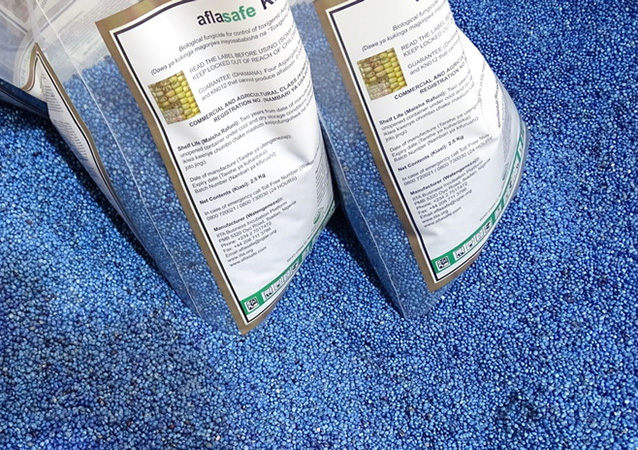
Promotion of aflatoxin control measures in maize and groundnut to improve food safety, reduce health risks, and enhance market access.
The International Institute of Tropical Agriculture is delivering measurable impact in Mali by scaling climate-smart technologies, improving crop productivity, and strengthening livelihoods. Through partnerships with national institutions and development organizations, IITA translates research into practical solutions that enhance resilience, food security, and income opportunities.
2,240
Across 320 villages and 32 communes in southern Mali, climate-smart agricultural interventions are improving resilience, productivity, and livelihoods.
53%
Adoption of climate-smart technologies significantly increased household consumption, with the largest gains recorded among the most vulnerable groups.
320
Community-level implementation has accelerated the adoption of improved practices across multiple farming systems.
4
IITA interventions span key agricultural zones: Kayes, Koulikoro, Sikasso, and Ségou, strengthening resilience in Mali’s major production areas.
BSF technologies are converting organic waste into valuable inputs for livestock and crop production.
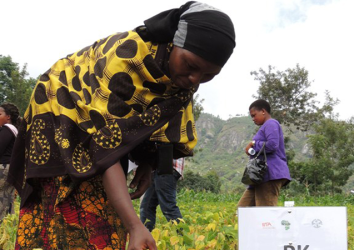
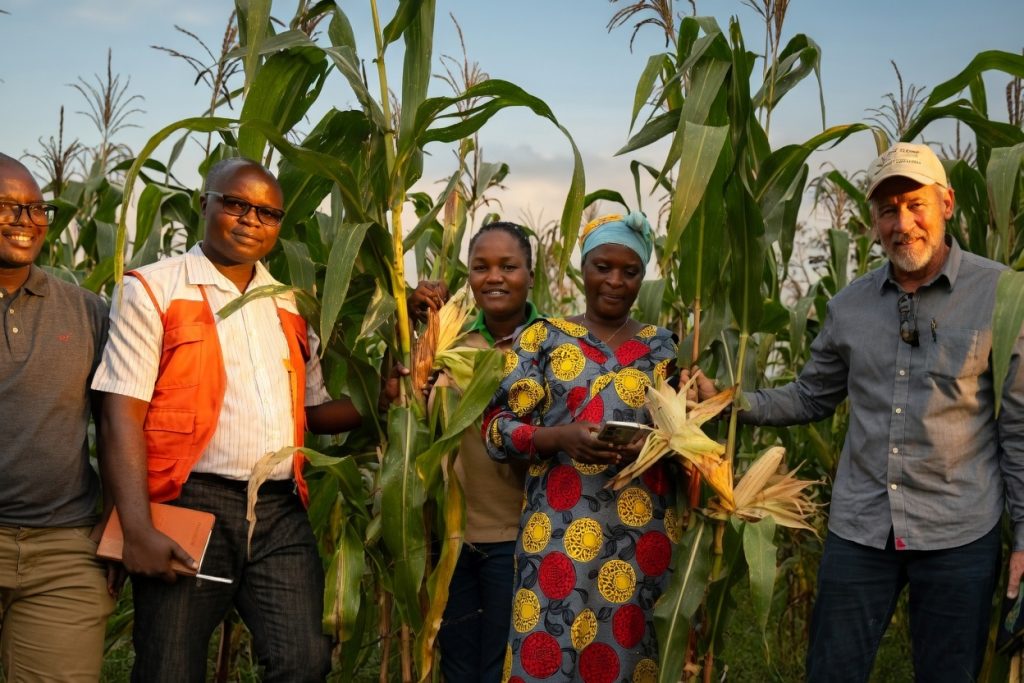
Farmers are adopting improved practices that enhance productivity and reduce vulnerability to climate variability.
International Institute of Tropical Agriculture works in Mali with key partners including:
Understanding the role of institutional arrangements on innovation adoption…
Aflatoxin contamination of maize, groundnut, and sorghum
A new adaptive identification strategy of best crop management with farmers
Explore key events and
engagements
Highlights from field activities and impact
Watch stories of innovation and transformation
Bello Abdulrazaq Abolore is a Senior Research Supervisor at the Cassava Breeding Unit of the International Institute of Tropical Agriculture (IITA), Ibadan. Specialising in crop varietal development using inclusive, informed gender and social participatory breeding approach. Abolore holds a Master’s degree in Crop Science and a B.Tech (Hons) in Agronomy. Abolore is a Fellow of Gender Responsive Researchers Equipped with Agricultural Transformation (GREAT) and has attended the Plant Breeding 2 Fight Hunger (PB2FH) Training Program at Michigan State University, USA and Quantitative Methods in Plant Breeding at the National Institute of Agricultural Botany (NIAB), United Kingdom to enhance his breeding skills. He is currently completing the Post Graduate Program in Data Science and Business Analytics at the University of Texas McCombs School of Business in Collaboration with Great Learning. Abolore current roles include monitoring and evaluation of promising cassava genotypes in pre-released and On-farm trials to present for release by the Nigeria Crop Variety Release Committee. He also engages in multi-disciplinary research on social and transformative gender studies to improve the decision-making process by value chain actors and stakeholders. Abolore has in-depth knowledge to conduct consumer testing, participatory processing and varietal selection to elicit trait preferences preferred by crop users to inform breeders.
He works with IITA breeders, and gender/social scientists on the implementation of CGIAR Accelerated Breeding Initiatives and Genetic Programs, RTB Breeding Projects, Gender Initiatives Program and 1000farms Project.
Recent publications
de Sousa, K., van Etten, J., Manners, R. Bello, A., Teeken, B., Olaosebikan, O., et al. 2024. The tricot approach: an agile framework for decentralized on-farm testing supported by citizen science. A retrospective. Agron. Sustain. Dev. 44, 8. https://doi.org/10.1007/s13593-023-00937-1
Bello, A. A., Agbona, A., Olaosebikan, O., Edughaen, G., Dufour, D., Bouniol, A., Iluebbey, P., Ndjouenkeu, R.*, Rabbi, I. Y., Teeken, B. 2023. Genetic and environmental effects on processing productivity and food product yield: drudgery of women’s work in: Journal of the Science of Food and Agriculture, pages 1 – 32, ISSN 0022-5142, 5
Olaosebikan, O.; Bello, A.; Utoblo, O.; Okoye, B.; Olutegbe, N.; Garner, E.; Teeken, B.; Bryan, E.; Forsythe, L.; Cole, S.; Madu, T. 2023. Stressors and Resilience within the Cassava Value Chain in Nigeria: Preferred Cassava Variety Traits and Response Strategies of Men and Women to Inform Breeding. Sustainability 15, 7837. https://doi.org/10.3390/su15107837
Olaosebikan, O., Bello, A. A., de Sousa, K., Ndjouenkeu, R., Adesokan, M., Alamu, E. O., Agbona, A., van Etten, J., Kegah, F. N.*, Dufour, D., Bouniol, A., Teeken, B. 2023. Consumer acceptability of cassava gari-eba food products across cultural and environmental settings using the triadic comparison of technologies approach (tricot) in: Journal of the Science of Food and Agriculture,
Teeken, B., Olaosebikan, O., Bello, A. A., Madu, T.*, Cole, S. M. 2023. Qualitative assessment on the positionality and preferences of dyads in relation to cassava-related activities: working with tricot trial citizen scientists https://hdl.handle.net/10568/138326 Type: Manual
Bouniol, A., Ceballos, H., Bello, A. A., Teeken, B., Olaosebikan, O., Owoade, D., Agbona, A., Fotso Kuate, A., Madu, T.*, Okoye, B.*, Ofoeze, M.*, Nwafor, S.*, Onyemauwa, N.*, Adinsi, L.*, Forsythe, L., Dufour, D. 2023. Varietal impact on women’s labour, workload and related drudgery in processing root, tuber and banana crops: focus on cassava in sub-Saharan Africa in: Journal of the Science of Food and Agriculture, pages 1 – 25, ISSN 0022-5142,
Cavicchioli, M., Zimbiti, T., Teeken, B., Nwanze, D.O., Liani, M., Parkes, E. & Bello, A. 2023. IITA-Gender Responsive Breeding Training Report. Genetic Resources Center, IITA-HQ, Ibadan, 21-23 September, 2022. Ibadan, Nigeria: IITA, (34 p.).https://hdl.handle.net/10568/131368
Agbona, A. Peteti P., Teeken B., Olaosebikan O., Bello, A. A., Parkes, E., Rabbi, I. Y., Mueller, L., Egesi, C., Kulakow, P. 2022. Data Management in Multi-disciplinary African RTB Crop Breeding Programs. In: Williamson, H.F., Leonelli, S. (eds) Towards Responsible Plant Data Linkage: Data Challenges for Agricultural Research and Development. Springer, Cham. https://doi.org/10.1007/978-3-031-13276-6_5
Teeken, B., Garner, E., Agbona, A., Balogun, I., Olaosebikan, O., Bello, A., Madu, T., Okoye, B., Egesi, C., Kulakow, P. and Tufan, H.A. 2021. Beyond “Women’s Traits”: Exploring How Gender, Social Difference, and Household Characteristics Influence Trait Preferences. Frontiers Sustainable Food Systems 5:740926. https://doi.org/10.3389/fsufs.2021.740926
Teeken, B., Agbona, A., Bello, A., Olaosebikan, O., Alamu, E., Adesokan, M., Awoyale, W., Madu, T., Okoye, B., Chijioke, U., Owoade, D., Okoro, M., Bouniol, A., Dufour, D., Hershey, C., Rabbi, I., Maziya‐Dixon, B., Egesi, C., Tufan, H. and Kulakow, P. (020. Understanding cassava varietal preferences through pairwise ranking of gari‐eba and fufu prepared by local farmer–processors. Int J Food Sci Technol. https://doi.org/10.1111/ijfs.14862
Bela Teeken, Olamide Olaosebikan, Ireti Balogun, Benjamin Okoye, Tessy Madu, Steven Cole, Abolore Bello, Elizabeth Parkes. (2020). Piloting the G+ customer and product profile tools for gender-responsive cassava breeding in Nigeria. Nigeria: International Institute of Tropical Agriculture (IITA). https://hdl.handle.net/20.500.11766/13000
Ms. Fortunatha Petro Mollel is a seasoned Gender Equality and Social Inclusion (GESI) professional who joined International Institute of Tropical Agriculture (IITA) in May 2026 as a Gender Research Associate, based in Dar es Salaam, Tanzania. She is working under the Muhogo Bora (Better Cassava for All) project mainly focused on supporting the design and implementation of gender transformative interventions towards fostering an enabling social, economic, institutional environment that supports the engagement of women and youth to successfully thrive as Cassava Seed Entrepreneurs in Tanzania. She holds a Master of Arts Degree in Development Management from University of Dar es Salaam; Bachelor of Arts Degree in Gender and Development, and a Diploma in Gender and Development both from Mwalimu Nyerere Memorial Academy, Tanzania. She is also a trained associate in project management (CAPM).
Ms. Mollel is committed to advancing inclusive, evidence-based, and community-driven approaches that promote equity, dignity, and sustainable change. She has nine years of progressive experience in designing, implementing, and strengthening gender-transformative and inclusive development programmes across Tanzania. Her technical expertise includes women’s and youth economic empowerment, Results-Based Financing (RBF), safeguarding, gender-based violence (GBV) prevention, behaviour change campaign, and the operationalization of the Leave No One Behind (LNOB) principle across agriculture, education, livelihoods, renewable energy, climate resilience, and health sectors. She is also experienced with integrating project management skills into income-generating activities, inclusive entrepreneurship development, and facilitating access to startup kits and economic opportunities for women and youth.
Prior to joining IITA, Ms. Mollel worked with leading international development organizations such as CARE International, SNV Tanzania, TechnoServe, and Heifer International, where she led and supported the development of GESI strategies, Gender Action Plans, gender-sensitive value chain analyses, and social norms transformation initiatives aimed at promoting equitable participation and sustainable development outcomes for marginalized populations, including women, youth, persons with disabilities, young mothers, and survivors of gender-based violence.
Hélio Gurué is a Gender Equality and Social Inclusion Officer at the International Institute of Agriculture (IITA), working on the Accelerated Innovation Delivery Initiative (AID-I) based in Nampula, Mozambique. He holds a Bachelor of Arts Degree in Childhood Development and Education from the Psychology Department of the Faculty of Education at Eduardo Mondlane University in Mozambique. Mr. Gurué has four years of cumulative experience working in the development sector the context of emergencies. His scope of work mainly focused on Humanitarian Aid to Internally Displaced People in Cabo Delgado, where he worked as a Gender and Child Protection Officer in Emergencies (SOS Children’s Village Mozambique); Child Protection Assistant with Family Health International (FHI) 360; Child Protection Coordinator with Save the Children International; and Protection Assistant against Sexual Exploitation and Abuse with UN-Migration. Prior to joining IITA, he worked as a Gender Officer with Plan International based in Nampula, Mozambique. He is currently pursuing his Master’s Degree in Gender and Development at Faculty of Arts and Social Sciences, Eduardo Mondlane University, Mozambique.
Adeola Alabi, a Nigerian, is a Gender Research Associate with the International Institute of Tropical Agriculture (IITA). He is based in Ibadan, Nigeria. His research efforts is focused at addressing the most important social bottlenecks constraining the development of VPC seed systems in target countries on Program for Seed System Innovations for Vegetatively-propagated crops in Africa (PROSSIVA).
He has a Master of Science degree in Sociology from the University of Ibadan, Nigeria in 2017. Upon completion of his masters program, he volunteered as a Junior Research Assistant with the Department of Social Policy and Governance with the Nigerian Institute of Social and Economic Research, Ibadan. Before joining IITA, Adeola has functioned as a Learning and Development Manager with a private consultancy firm, where he had the privilege of working on different World Bank Assisted social investment projects including Business Advisory Service Provision for Nigeria for Women Project; Conduct of Disability Assessment for National Social Safety Nets Projects; Partial Data Update, Validation and Reallocation of Geo-Coordinates for Poor and Vulnerable Households in the Social Registry; and Data Structuring, Field Validation and Enumeration on Output-Based Disbursement among others. At another time, he has functioned as Social Safeguard Expert on a World Bank Assisted Flood Management Project titled “Second Pool of Long-Term Investments for Flood Control in Ibadan City of Oyo State”.
Publication (Journal Article)
ADEGOKE, O.O., ALABI, A.I., and JEGEDE, A.S. (2018). Cultural Conception of “Eniyan L’aso Mi” and the changing roles of family in Social Production of Care for the Elderly in Yoruba Setting. The Nigerian Journal of Sociology and Anthropology (NASA). Vol. 16, No. 2,2018.
Faustina Obeng Adomaa is a Consultant for the International Institute of Tropical Agriculture, Ghana. She is the Gender Equality and Social Inclusion Lead for the Accelerating Impacts of CGAIR Climate Research for Africa (AICCRA), Ghana cluster. She obtained her PhD in Social Science (inclusive value chains) from Wageningen University & Research. She also holds an MPhil and BA in Geography and Resource Development, from the University of Ghana with specialization in the Geography of Gender. Her research is at the intersection of broad processes of agriculture value chain development and their ramifications on agrarian gender, land, and labour relations. She has expertise in unpacking rules in use, including norms and conventions, across multiple domains and designing agriculture interventions to transform these rules to foster inclusivity. Her latest research integrates critical agrarian studies perspectives into value chain research. In her current work, she integrates gender-transformative perspectives into an instrument mix for inclusive climate smart agriculture.
Recent publications
Torvikey, G. D., Dalaa, M. A., Obeng Adomaa, F., Saeed A., Amoah, A.I., Kofituo, R. K., Tetteh, A. & Asare, R. (2024). Making climate smart cocoa inclusive: Towards a framework for gender transformation. Southern African Review of Sociology. Forthcoming.
Nguyen-Perperidis E., Obeng Adomaa F., Nguyen P.M & Kyeretwie B.N.S. (2023). Advancing a Gender-Responsive Delivery Model for Mitigating Climate Impacts in Ghana’s Cocoa Landscape. FARA Research Report Vol 7(19):196-213. https://www.researchgate.net/publication/370341773_Advancing_a_Gender-Responsive_Delivery_Model_for_Mitigating_Climate_Impacts_in_Ghana’s_Cocoa_Landscape
Obeng Adomaa, F. (2022). Improving Rural Women’s Access to Productive Resources: Are the Low Hanging Fruits Too Low to Make a Difference? Feminist Africa 3 (2) 99-108 https://feministafrica.net/wp-content/uploads/2022/11/06.Feminist-AfricaNovember-2022_Volume-3-Issue-2_Revisiting-Gender-in-Rural-Livelihoods-and-Development-Intervention_Standpoint.pdf
Obeng Adomaa, F., Vellema, S. & Slingerland, M. (2022). Justice and Inclusiveness: The Reconfiguration of Global–Local Relationships in Sustainability Initiatives in Ghana’s Cocoa Sector. Journal of Agriculture and Environmental Ethics 35, 22 https://doi.org/10.1007/s10806-022-09895-2
Chiputwa B, Obeng Adomaa F, Ihli JH, Rusinamhodzi L. (2021). Gender equality as a pathway to sustainable development of cocoa and coffee value chains in East and West Africa. In: Minang PA, Duguma LA, van Noordwijk M, eds. 2021. Tree commodities and resilient green economies in Africa. Nairobi, Kenya: World Agroforestry (ICRAF). https://worldagroforestry.org/publication-chapter/gender-equality-pathway-sustainable-development-cocoa-and-coffee-value-chains?pid=115886
Obeng Adomaa. F, & Apatinga G. A. (2019). Women’s economic empowerment in the midst of precarious Export processing zone employment: Evidence from Ghana. Labour, Capital and Society. 49:1 (2019) http://www.lcs-tcs.com/PDFs/49_1/49_1%20-%20Adomaa%20&%20Apatiga.pdf
Obeng Adomaa, F. Wrigley-Asante, C. & Teye J. K (2015). Working conditions in Ghana’s Export Processing Zone and implications on women’s empowerment. Work Organisation, Labour and Globalisation. 9 (2) 64-78 https://ucl.scienceopen.com/document_file/6520b116-3e6e-4ba7-b517-99a33fc2bb57/ScienceOpen/workorgalaboglob.9.2.0064.pdf
Olajumoke Adeyeye, a Nigerian, is a Postdoctoral Fellow (Gender Research) with the International Institute of Tropical Agriculture (IITA). She is based in Ibadan, Nigeria. Her research focus is on micro-level analysis of multidimensional empowerment, gender, and youth empowerment, especially in agriculture and rural livelihoods.
She has a doctoral degree in Agricultural Extension and Rural Development from the Federal University of Agriculture, Abeokuta, Nigeria in 2018. Before taking up the Postdoctoral position, Olajumoke worked as a Senior Research Fellow at the Centre for Gender and Social Policy Studies, Obafemi Awolowo University, Ile-Ife, Nigeria where her responsibility includes teaching, research, and advocacy on gender, development, and social policy issues. As a Postdoctoral Fellow (Gender Research) at IITA, Olajumoke coordinates the research activities of the CGIAR Gender Equality (HER+) Initiative Work Package 1 (TRANSFORM: Gender transformative approaches – GTAs) and Work Package 3 (PROTECT: Gender responsive Social Protection) in Nigeria and Mali respectively.
Olajumoke has vast experience in conducting research and has led and worked with multidisciplinary teams on projects funded by IDRC, BMGF, etc. in different contexts across Africa: Nigeria, Ghana, and Tanzania. She has hands-on experience in gender analysis, mainstreaming, and integration; gender norms and gender transformative approaches, gender policy design, implementation, and review.
She is a recipient of different fellowships and grants including the African Women in Agriculture Research and Development (AWARD) Fellowship (2011), the INASP AuthorAid Gender Workshop Grant (2015), and the IITA Graduate Research Fellowship (2016). She has published in reputable academic outlets as well as attended and facilitated conferences, seminars, and webinars, locally and internationally.
Publications
Journal Articles
Policy Briefs
Thomas de Hoop, Jumoke Adeyeye, Osasuyi Dirisu, Akinwumi Akinola, Aline Meysonnat, Garima Siwach and Leigh Anderson (2021). Taking stock of the evidence on women’s groups in Nigeria. Evidence Consortium on Women’s Groups (ECWG).
Sarah Msita is a Gender Research Assistant at the International Institute of Agriculture (IITA) based in Tanzania. She began her journey with IITA in 2020 as a consultant, where she contributed to the implementation of the BEST Cassava Project, specifically focusing on the advocacy and mainstreaming component. During her tenure, she played a significant role in the study titled “Assessing gender inequalities in access to and benefits derived from the cassava seed system in Tanzania.”
Sarah holds a Master of Arts degree in Project Management and a Bachelor of Arts degree in Sociology, both obtained from the University of Dar-es-Salaam. Her educational background and professional experience reflect her commitment to addressing gender disparities and promoting equality, particularly within the agricultural sector.
She is part of the team that implements Work Package 1 of the One CGIAR HER+ Initiative, in Tanzania which aims to achieve climate resilience by strengthening gender equality and social inclusion, through gender transformative approaches. Passionate about effecting positive change through research, Sarah is dedicated to leveraging her expertise at the intersection of gender and agriculture to drive impactful outcomes.
Publications
Rashida Chantima Ziblila is a Gender Specialist with International Institute for Tropical Agriculture (IITA) for the SI-MFS initiative based in Tamale-Ghana. Ms. Ziblila has an Mhil degree in Innovation Communication (2019) and a BA degree in Development Communication (2015), both obtained from the University for Development Studies (UDS), Tamale Ghana.
Rashida has about seven years work and research experience from her own studies and other related studies in the area of Agricultural Research for Development (AR4D) in transdisciplinary research spaces with a focus on gender.
She has interest in integrating gender transformative tools into projects that are critical to enhancing the well-being and inclusive growth of all especially women.
Publications
Ziblila, R.C., M. Lelea, J.A. Ayelazuno, E. Mumini, and B. Kaufmann. 2019. Rural Women’s Access to Land and Household Food Security: Implications of Agricultural Intensification in Ghana. Tropentag, Kassel, Germany.
Konlan, L.M., R.C. Ziblila, M.A. Lelea and B. Kaufmann. 2019. Entrepreneurial Potentials of Rural Women’s Groups to Process Underutilised Species in Northern Ghana. Tropentag, Kassel, Germany.
M.A. Lelea., L.M. Konlan, R.C. Ziblila L.E. Thiele, A. Amo-Aidoo, B. Kaufmann. 2022. Strategies to Promote Sustainable Development:The Gendered Importance of Addressing Diminishing African Locust Bean (parkia biglobosa) Resources in Northern Ghana’s Agro-ecological Landscape.
Devis Mwakanyamale is a Senior Research Associate at the International Institute of Tropical Agriculture (IITA). His training background is in agricultural economics, but he is currently pursuing a Ph.D. in Development Studies with a focus on gender at the University of Dar es Salaam. Devis earned a Master of Science in Agricultural Economics from Sokoine University of Agriculture and a Bachelor of Science in Agricultural Economics from the same university. As part of a team, Devis contributed to setting up a transdisciplinary process that aimed at developing a mixed-methods research tool for improving the measurement and understanding of intrahousehold decision-making. Presently, he is actively involved in coordinating activities for the One CGIAR Gender Equality (HER+) Initiative for Tanzania. The Initiative seeks to transform agrifood systems by addressing structural gender inequalities, such as harmful social and gender norms.
Journal article
Working papers, published reports, blogs, and policy briefs
https://doi.org/10.25502/jgdq-pg69/p
https://doi.org/10.25502/376c-gh81
Millicent Liani is a Post-Doctoral Gender Research Fellow with the International Institute of Tropical Agriculture (IITA), based in Dar es Salaam, Tanzania. She has a disciplinary training background in anthropology and gender studies with strong skills in qualitative research methods. She obtained her PhD in Social Sciences from the Liverpool School of Tropical Medicine and the University of Liverpool, United Kingdom. She holds a Master of Arts and Bachelor of Arts (First class honors) degrees in Anthropology and Gender Studies, all from the University of Nairobi, Kenya. She has over ten years of work experience in gender integration in research and development projects across Sub-Saharan Africa in the fields of agriculture, global health, and climate change. Before joining IITA, she worked as a Gender Research Associate with the International Crops Research Institute for the Semi-Arid Tropics (ICRISAT) and the International Livestock Research Institute (ILRI), where she provided technical support with the implementation of the CGIAR Research Programs’ gender research strategies for the respective institutions.
At IITA, her research is aimed at integrating gender and social inclusion considerations in the Muhogo Bora (Better cassava) gender-responsive cassava seed systems project in Tanzania; the USAID-funded Great Lakes Accelerated Innovation Delivery Initiative Rapid Delivery Hub focused on inclusive scaling of agricultural innovations; as well as the One CGIAR Initiative on “Ukama Ustawi (UU): Diversification for Resilient Agrifood systems in East and Southern Africa (ESA)”.
Publications
Béla Teeken is a social science and gender researcher at the International Institute of tropical agriculture. He holds a PhD in social science and an MSc in crop physiology and rural development sociology from Wageningen University. He has a major interest in how ecology, local institutions, culture and gender shape and determine local innovations and agricultural practices and how these innovations and practices related to relates to those of formal scientific research.
He has specific expertise in participatory field trials and food product quality evaluation in rice as well as cassava in relation to socio-cultural segmentation and gender. This includes qualitative as well as quantitative data analysis using insights and tools from anthropology; sociology; crop agronomy/physiology; breeding, genetics and history. Studies cover work in Ghana, Togo, Nigeria, RD Congo and Cameroon.
He is currently working within breeding teams of roots, tubers and banana crops to inform and reform CGIAR breeding programs to make them more socially inclusive with specific attention to integrating gender responsive and transformative approaches.
Recent publications
McGuire, E., Leeuwis, C., Rietveld, A.M. and Teeken, B. (2024). Anticipating social differentiation and unintended consequences in scaling initiatives using GenderUp, a method to support responsible scaling. Agricultural Systems, Volume 215, 103866 https://doi.org/10.1016/j.agsy.2024.103866
de Sousa, K., van Etten, J., Manners, R. Abidin, E., Abdulmalik, R.O., Bello, A., Acheremu, K., Angudubo, S., Aguilar, A., Arnaud, E., Babu, A., Barrios, M., Benavente, G., Boukar, O., . Cairns, J.E., Carey, E., Daudi, H., Dawud, M., Edughaen, G., Ellison, J., Esuma, W., Mohammed, S.G., van de Gevel, J., Gomez, M., van Heerwaarden, J., Iragaba, P., Kadege, E., Assefa, T.M., Kalemera, S., Kasubiri, F.S., Kawuki, R., Kidane, Y.D., Kilango, M., Kulembeka, H., Adofo, K.,Madriz, B., Masumba, E., Mbiu, J., Mendes, T., Müller, A., Moyo, M., Mtunda, K., Muzhingi, T., Muungani, D., Mwenda, E.T., Nadigatla, G.R.V.P.R.,Nanyonjo, A.N., N’Danikou, S., Nduwumuremyi, A., Nshimiyimana, J.C., Nuwamanya, E., Nyirahabimana, H., Occelli, M., Olaosebikan, O., Ongom, P.O., Ortiz-Crespo, B., Oteng-Fripong, R., Ozimati, A., Owoade, D., Quiros, C.F., Rosas, J.C., Rukundo, P., Rutsaert, P., Sibomana, M., Sharma, N., Shida, N., Steinke, J., Ssali, R., Suchini, J.G., Teeken, B., Tengey, T.K., Tufan, H.A., Tumwegamire, S., Tuyishime, E., Ulzen, J., Umar, M.L., Onwuka, S., Madu, T.U., Voss, R.C., Yeye, M. & Zaman-Allah, M. (2024) The tricot approach: an agile framework for decentralized on-farm testing supported by citizen science. A retrospective. Agronomy and Sustainable Development. 44, 8. https://doi.org/10.1007/s13593-023-00937-1
Bello, A., Afolabi, A., Olamide, O., Gospel, E., Dufour, D., Bouniol, A., Iluebbey, P., Ndjouenkeu, R., Ismail, R. and Teeken, B. (2023), Genetic and environmental effects on processing productivity and food product yield: drudgery of women’s work. J Sci Food Agric. Accepted Author Manuscript. https://doi.org/10.1002/jsfa.13079
Bouniol, A., Ceballos, H., Abolore, B., Teeken, B., Olaosebikan, D.O., Owoade, D., Afolabi, A., Fotso Kuate, A., Madu, T., Okoye, B., Ofoeze, M., Nwafor, S., Onyemauwa, N., Adinsi, L., Forsythe, L. and Dufour, D. (2023), Varietal impact on women’s labour, workload and related drudgery in processing root, tuber and banana crops. Focus on cassava in sub-Saharan Africa. J Sci Food Agric. Accepted Author Manuscript. https://doi.org/10.1002/jsfa.12936
Olaosebikan, O., Bello, A., de Sousa, K., Ndjouenkeu, R., Adesokan, M., Alamu, E., Agbona, A., Van Etten, J., Kégah, F.N., Dufour, D., Bouniol, A. and Teeken, B. (2023), Drivers of consumer acceptability of cassava gari-eba food products across cultural and environmental settings using the triadic comparison of technologies approach (tricot). J Sci Food Agric. https://doi.org/10.1002/jsfa.12867
Takam Tchuente, H.N., Fongang Fouepe, G.H., Mbwentchou Yao, D.C., Mathe, S. and Teeken, B. (2023), Varietal diversity as a lever for cassava variety development: exploring varietal complementarities in Cameroon. J Sci Food Agric. https://doi.org/10.1002/jsfa.12899
Olaosebikan, O.; Bello, A.; Utoblo, O.; Okoye, B.; Olutegbe, N.; Garner, E.; Teeken, B.; Bryan, E.; Forsythe, L.; Cole, S.; Kulakow, P.; Egesi, C.; Tufan, H., Madu, T. (2023) Stressors and Resilience within the Cassava Value Chain in Nigeria: Preferred Cassava Variety Traits and Response Strategies of Men and Women to Inform Breeding. Sustainability, 15, 7837. https://doi.org/10.3390/su15107837
van Etten, J., de Sousa, K., Cairns, J. E., Dell’Acqua, M., Fadda, C., Guereña, D., van Heerwaarden, J., Assefa, T., Manners, R., Müller, A., Enrico Pè, M., Polar, V., Ramirez-Villegas, J., Øivind Solberg, Svein., Teeken, B. & Tufan, H. A. (2023). Data-driven approaches can harness crop diversity to address heterogeneous needs for breeding products. Proceedings of the National Academy of Sciences, 120(14), e2205771120. https://doi.org/10.1073/pnas.2205771120
Agbona, A., P. Peteti, B. Teeken, O. Olaosebikan, A. Bello, E. Parkes, I. Rabbi, L. Mueller, C. Egesi, and P. Kulakow.Data Management in Multi-disciplinary African RTB crop breeding programs (2023) in: towards responsible plant data linkage: data challenges for agricultural Research and Development, HF Williamson and S Leonelli eds. Springer International Publishing, Cham, pp. 85–103. https://doi.org/10.1007/978-3-031-13276-6_5
Alamu, E.O., Teeken, B., Ayetigbo, O., Adesokan, M., Kayondo, I., Chijioke, U., Madu, T., Okoye, B., Bello, A., Njoku, D., Rabbi, I., Egesi, C., Ndjouenkeu, R., Bouniol, A., De Sousa, K., Dufour, D. and Maziya-Dixon, B. (2023), Establishing the linkage between eba’s instrumental and sensory descriptive profiles and their correlation with consumer preferences: implications for cassava breeding. Journal of the Science Food and Agriculture. https://doi.org/10.1002/jsfa.12518
Teeken, B. & Marina Padrão Temudo (2021) Varietal selection in marginal agroecological niches and cultural landscapes: the case of rice in the Togo Hills, Agroecology and Sustainable Food Systems, 45:8, 1109-1138. https://doi.org/10.1080/21683565.2021.1878405
Teeken, B., Garner, E., Agbona, A., Balogun, I., Olaosebikan, O., Bello, A., Madu, T., Okoye, B., Egesi, C., Kulakow, P. and Tufan, H.A. (2021). Beyond “Women’s Traits”: Exploring How Gender, Social Difference, and Household Characteristics Influence Trait Preferences. Frontiers Sustainable Food Systems 5:740926. https://doi.org/10.3389/fsufs.2021.740926
Teeken, B., Agbona, A., Bello, A., Olaosebikan, O., Alamu, E., Adesokan, M., Awoyale, W., Madu, T., Okoye, B., Chijioke, U., Owoade, D., Okoro, M., Bouniol, A., Dufour, D., Hershey, C., Rabbi, I., Maziya‐Dixon, B., Egesi, C., Tufan, H. and Kulakow, P. (2020). Understanding cassava varietal preferences through pairwise ranking of gari‐eba and fufu prepared by local farmer–processors. Int J Food Sci Technol. https://doi.org/10.1111/ijfs.14862
Steven Michael Cole is a Senior Scientist and Gender Research Coordinator for the International Institute of Tropical Agriculture. He obtained his PhD in Biological Anthropology from the University of Arizona. He also holds a MSc degree in Agricultural and Resource Economics and a BSc in Health and Nutrition. His research employs both quantitative and qualitative methods to better understand the social and gender dynamics in agricultural contexts in low-income countries. He has extensive experience designing and piloting transformative approaches to overcome gender inequalities in agricultural development outcomes. His latest research integrates gender and other social science perspectives in biophysical research, including in research that aims to achieve gender-responsive breeding and seed systems outcomes and more inclusive value chains.
Recent publications
Liani, M., Cole, S.M., Mwakanyamale, D.F., Baumung, L., Saleh, N., Webber, A., Tufan, H.A., and Kapinga, R. (2023). Uneven ground? Intersectional gender inequalities in the commercialized cassava seed system in Tanzania. Frontiers in Sustainable Food Systems, 7:1155769. https://doi.org/10.3389/fsufs.2023.1155769
Quisumbing, A., Cole, S., Elias, M., Faas, S., Galiè, A., Malapit, H., Meinzen-Dick, R., Myers, E., Seymour, G., and Twyman, J. (2023). Measuring women’s empowerment in agriculture: Innovations and evidence. Global Food Security, 38, 100707. https://doi.org/10.1016/j.gfs.2023.100707
Tufa, A.H., Alene, A.D., Cole, S.M., Manda, J., Feleke, S., Abdoulaye, T., Chikoye, D., and Manyong, V. (2022). Gender differences in the adoption of improved agricultural technologies and crop productivity: Evidence from Malawi. World Development, 159, 106027. https://doi.org/10.1016/j.worlddev.2022.106027
Avadí, A., Cole, S.M., Kruijssen, F., Dabat, M-E, and Mungule, C.M. (2022). How to enhance the sustainability and inclusiveness of smallholder aquaculture production systems in Zambia? Aquaculture, 547, 737494. https://doi.org/10.1016/j.aquaculture.2021.737494
Elias, M., Cole, S.M., Quisumbing, A., Meinzen-Dick, R., Perez, A.-M., and Twyman, J. (2021). Assessing women’s empowerment in agriculture. In: Pyburn, R. and A. van Eerdewijk (eds.). Advancing gender equality through agricultural and environmental research: past, present and future. IFPRI, Washington, DC. https://doi.org/10.2499/9780896293915
Cole, S.M., Feleke, S., Manda, J., Gondwe, T., and Akinwale, G. (2021). Who does what and why? Intra-household roles and explanatory models for sourcing soybean seed in Malawi. Outlook on Agriculture, https://doi.org/10.1177/00307270211033918
Cole, S.M., Kaminski, A.M., McDougall, C., Kefi, A.S., Marinda, P., Maliko, M., and Mtonga, J. (2020). Gender accommodative versus transformative approaches: A comparative assessment within a post-harvest fish loss reduction intervention. Gender, Technology, and Development, Special Issue on Gender and Fisheries. https://doi.org/10.1080/09718524.2020.1729480
Kaminski, A.M., Kruijssen, F., Cole, S.M., Beveridge, M.C., Dawson, C., Mohan, C.V., Suri, S., Karim, M., Chen, O.L., Phillips, M.J., Downing, W., Weirowski, F., Genschick, S., Tran, N., Rogers, W. and Little, D.C. (2020). A review of inclusive business models and their application in aquaculture development. Reviews in Aquaculture. https://doi.org/10.1111/raq.12415
Cole, S.M., McDougall, C., Kaminski, A.M., Kefi, A.S., Chilala, A., Chisule, G. (2018). Post-harvest fish losses and unequal gender relations: drivers of the social-ecological trap in the Barotse Floodplain fishery, Zambia. Ecology and Society 23(2), 18. https://doi.org/10.5751/ES-09950-230218
Cole, S.M., Puskur, R., Rajaratnam, S., and Zulu, F. (2015). Exploring the intricate relationship between poverty, gender inequality, and rural masculinity: A case study from an aquatic agricultural system in Zambia. Culture, Society and Masculinities, 7(2), 154-170. https://hdl.handle.net/20.500.12348/235
Olamide Deborah Nwanze is a Senior Research Associate specializing in gender mainstreaming research to inform participatory and inclusive breeding, variety development, and seed systems policies regarding root, tuber, and banana (RTB) crops in the International Institute of Tropical Agriculture Headquarters, Ibadan, Nigeria. She is a PhD candidate at the University of Ibadan and holds an MSc and B. Agric in Agricultural Extension and Rural Development. Olamide is a fellow of the African Women in Agricultural Research and Development – Gender Responsive Agricultural Systems Policy (AWARD-GRASP) and the Gender Responsive Researchers Equipped for Agricultural Transformation (GREAT). She seeks to apply her gender-mainstreaming learnings, gender-responsive research, and policy development, and review expertise to facilitate women, youth, children, and vulnerable social group’s access to and adoption of agricultural Innovations that guarantee food, nutrition, income, and livelihood security in Africa. Her current roles include mentoring research fellows, development of guides and training manuals, implementation and adaptation of gender frameworks and tools, value chain actors’ engagement as citizen science partners, policy review and redesign, data management, and analysis. Her current research explores mixed methods and participatory and interdisciplinary approaches to capture and highlight gender dynamics, needs, preferences, and challenges stakeholders face within the agricultural livelihood value chain to prioritize gender-inclusive strategies in breeding programs, policy design, and implementation.
At IITA, she contributes to the implementation of the CGIAR Accelerated Breeding Initiative and Genetic Innovation Programs; participatory and gender research within the NextGen Cassava, HarvestPlus, RTBFoods, and Tricot-ClimMob 1000Farms Projects; and gender knowledge communication via the G-LENS webinar series, video documentary, policy briefs, publications, and blogs.
Recent publications
de Sousa, K., van Etten, J., Manners, R. Bello, A., Teeken, B., Olaosebikan, O., et al. 2024. The tricot approach: an agile framework for decentralized on-farm testing supported by citizen science. A retrospective. Agron. Sustain. Dev. 44, 8. https://doi.org/10.1007/s13593-023-00937-1
Madu, T., Onwuka, S., Nwafor, S., Onyemauwa, N., Ejechi, M., Ofoeze, M., Ukeje, B., Eluagu, C., Olaosebikan, O., Okoye, B., 2024. Gender-Inclusive Consumer Studies Improve Cassava Breeding in Nigeria in: Frontiers in Sociology, volume 9, number: 1224504, doi: 10.3389/fsoc.2024.1224504
Olaosebikan, O.; Bello, A.; Utoblo, O.; Okoye, B.; Olutegbe, N.; Garner, E.; Teeken, B.; Bryan, E.; Forsythe, L.; Cole, S.; Madu, T. 2023. Stressors and Resilience within the Cassava Value Chain in Nigeria: Preferred Cassava Variety Traits and Response Strategies of Men and Women to Inform Breeding. Sustainability 15, 7837. https://doi.org/10.3390/su15107837
Okoye, B., Ofoeze, M., Ejechi, M., Onwuka, S., Nwafor, S., Onyemauwa, N., Ukeje, B., Eluagu, C., Obidiegwu, J.*, Olaosebikan, O., Madu, T.* 2023. Prioritizing preferred traits in the yam value chain in Nigeria: a gender situation analysis in: Frontiers in Sociology, volume 8, number: 1232626, pages 1 – 9, ISSN 2297-7775, 2023. https://www.frontiersin.org/articles/10.3389/fsoc.2023.1232626/full
Olaosebikan, O., Bello, A. A., de Sousa, K., Ndjouenkeu, R., Adesokan, M., Alamu, E. O., Agbona, A., van Etten, J., Kegah, F. N.*, Dufour, D., Bouniol, A., Teeken, B. 2023. Consumer acceptability of cassava gari-eba food products across cultural and environmental settings using the triadic comparison of technologies approach (tricot) in: Journal of the Science of Food and Agriculture,
Teeken, B., Olaosebikan, O., Bello, A. A., Madu, T.*, Cole, S. M. 2023. Qualitative assessment on the positionality and preferences of dyads in relation to cassava-related activities: working with tricot trial citizen scientists https://hdl.handle.net/10568/138326 Type: Manual
Bouniol, A., Ceballos, H., Bello, A. A., Teeken, B., Olaosebikan, O., Owoade, D., Agbona, A., Fotso Kuate, A., Madu, T.*, Okoye, B.*, Ofoeze, M.*, Nwafor, S.*, Onyemauwa, N.*, Adinsi, L.*, Forsythe, L., Dufour, D. 2023. Varietal impact on women’s labour, workload and related drudgery in processing root, tuber and banana crops: focus on cassava in sub-Saharan Africa in: Journal of the Science of Food and Agriculture, pages 1 – 25, ISSN 0022-5142,
Bello, A. A., Agbona, A., Olaosebikan, O., Edughaen, G., Dufour, D., Bouniol, A., Iluebbey, P., Ndjouenkeu, R.*, Rabbi, I. Y., Teeken, B. 2023. Genetic and environmental effects on processing productivity and food product yield: drudgery of women’s work in: Journal of the Science of Food and Agriculture, pages 1 – 32, ISSN 0022-5142, 5
Cavicchioli, M., Zimbiti, T., Teeken, B., Nwanze, D.O., Liani, M., Parkes, E. & Bello, A. 2023. IITA-Gender Responsive Breeding Training Report. Genetic Resources Center, IITA-HQ, Ibadan, 21-23 September, 2022. Ibadan, Nigeria: IITA, (34 p.).https://hdl.handle.net/10568/131368
Agbona, A. Peteti P., Teeken B., Olaosebikan O. Bello, A. A., Parkes, E., Rabbi, I. Y., Mueller, L., Egesi, C., Kulakow, P. 2022. Data Management in Multi-disciplinary African RTB Crop Breeding Programs. In: Williamson, H.F., Leonelli, S. (eds) Towards Responsible Plant Data Linkage: Data Challenges for Agricultural Research and Development. Springer, Cham. https://doi.org/10.1007/978-3-031-13276-6_5
Lora Forsythe, Pricilla Marimo, Sarah Mayanja, Olamide D. Olaosebikan, Esme Stuart, Bela Teeken, Benjamin Okoye, Tessy Madu, (2021). Cross-product Gender Analysis of RTBfoods Step 2 Gendered Food Mapping on RTB Products. Understanding the Drivers of Trait Preferences and the Development of Multi-user RTB Product Profiles, WP1. London, UK: RTBfoods Field Scientific Report, 30 p.
Teeken, B., Garner, E., Agbona, A., Balogun, I., Olaosebikan, O., Bello, A., Madu, T., Okoye, B., Egesi, C., Kulakow, P. and Tufan, H.A. 2021. Beyond “Women’s Traits”: Exploring How Gender, Social Difference, and Household Characteristics Influence Trait Preferences. Frontiers Sustainable Food Systems 5:740926. https://doi.org/10.3389/fsufs.2021.740926
Teeken, B., Agbona, A., Bello, A., Olaosebikan, O., Alamu, E., Adesokan, M., Awoyale, W., Madu, T., Okoye, B., Chijioke, U., Owoade, D., Okoro, M., Bouniol, A., Dufour, D., Hershey, C., Rabbi, I., Maziya‐Dixon, B., Egesi, C., Tufan, H. and Kulakow, P. (020. Understanding cassava varietal preferences through pairwise ranking of gari‐eba and fufu prepared by local farmer–processors. Int J Food Sci Technol. https://doi.org/10.1111/ijfs.14862
Bela Teeken, Olamide Olaosebikan, Ireti Balogun, Benjamin Okoye, Tessy Madu, Steven Cole, Abolore Bello, Elizabeth Parkes. (2020). Piloting the G+ customer and product profile tools for gender-responsive cassava breeding in Nigeria. Nigeria: International Institute of Tropical Agriculture (IITA). https://hdl.handle.net/20.500.11766/13000