

Eastern Africa Hub
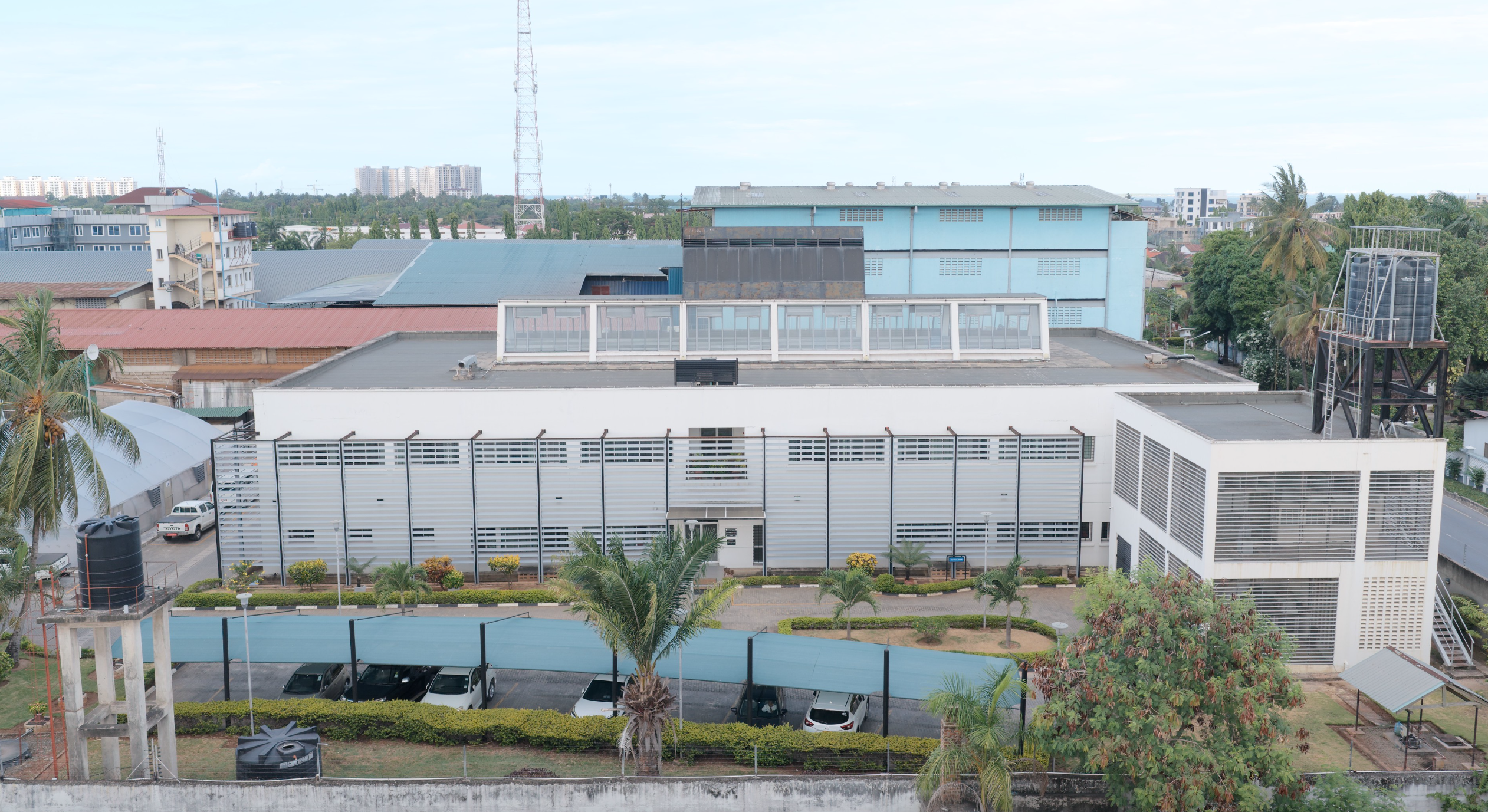
IITA’s remit in East Africa covers the East African Community, extending westward and into the Horn of Africa in the north. The Eastern Africa Hub, headquartered in Dar es Salaam, Tanzania, serves as the regional base for coordinating research and development initiatives.
IITA’s major research activities include promoting sustainable farming systems, controlling major pests and diseases, and mitigating the deleterious effects of aflatoxins on food safety. Additionally, IITA supports the development of resilient value chains for staple crops to improve food security and farmer incomes.
Countries covered
FOCUS AREAS
Development and testing of Aflasafe
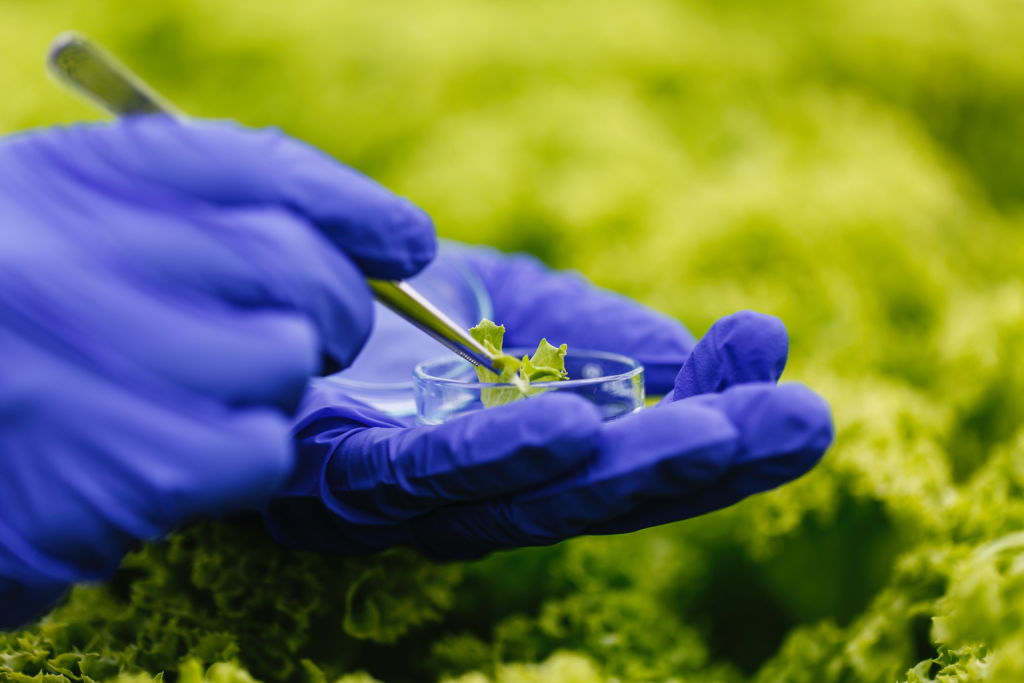
Genome Editing and Genetic Transformation
Soil Health
Seed Systems
Plant health
Sustainable Agronomy Practices
Youth Agripreneurship
Digital Agriculture tools
Nutrition
Climate resilience solutions
Featured Projects
- Location: Côte d’ivoire, Ethiopia, Kenya, Nigeria, Senegal, Sudan, Tanzania, Zambia, Zimbabwe
- Location: Benin, Cameroon, Democratic Republic of Congo, Gambia, Kenya, Malawi
- Location: Ethiopia, Malawi, Tanzania, Zambia
- Location: Benin, Ethiopia, Ghana, Kenya, Malawi, Mali, Nigeria, Tanzania, Uganda, Zambia
IMPACT Highlights
These highlights showcase IITA’s CAH impact through improved crop varieties,
safer food systems, and scalable digital innovations that strengthen resilience, productivity, and livelihoods.
High-yield matooke for Uganda
Eight NARITA matooke hybrids released, with NARITA17 yielding up to 243% more than local varieties.
Improved matooke for Tanzania
Four TARIBAN matooke hybrids released to boost productivity and resilience.
Fusarium-resistant Mchare bananas
Disease-resistant Mchare hybrids under multilocational testing in Tanzania.
30 years of national banana breeding
IITA supported the establishment of NARO’s banana breeding program, now 30 years strong.
East Africa banana breeding network
IITA coordinates a regional banana breeding network across six East African countries.
Genomics for breeding quality control
Molecular markers enable routine QA/QC, parentage testing, and hybrid identity tracking.
Elite cassava germplasm developed
Cassava breeding lines with dual resistance to CBSD and CMD and improved root quality.
Regional cassava breeding network
The first CGIAR–NARES cassava breeding network established for East and Southern Africa.
Rapid multiplication of clean planting material
A cost-effective stem multiplication platform delivering clean cassava planting materials at scale.
Biological control of aflatoxin
Aflasafe products reduce aflatoxin contamination in maize, groundnuts, and sorghum.
Digital tools scaled to farmers
Four digital advisory tools—AKILIMO, Nuru, FMBA, and CropVAR—support farmer decision-making at scale.
Facilities
Dar es Salaam Station
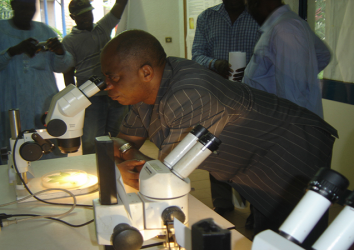
IITA Dar es Salaam has five state-of-the-art research laboratories conducting both national and international research:
- Plant pathology research is on controlling diseases and the pathogens that cause them.
- Soil and plant testing soil fertility and plant nutrition.
- Molecular research on plant viruses and their insect vectors.
- Food science quality assessment studies to support crop improvement research, promote value-addition and reduce postharvest losses.
- Tissue culture and transformation platform to facilitate the regional distribution of clean cassava planting material across breeding network members.
Screen house and rapid multiplication facilities
Hub Address
Office: Plot 25, Mwenge Coca Cola Rd.
Postal address: P. O. Box 34441,
Dar es Salaam, Tanzania.
Tel: +255 22 2700092
E-mail: IITA-Tanzania@cgiar.org
Arusha station
In Arusha station, IITA has rehabilitated laboratories at the Nelson Mandela African Institution for Science and Technology (NM-AIST) to support the breeding of high-quality cooking and Mchare bananas:
- Tissue culture for growing tissue culture plantlets and embryo rescue from banana seeds.
- Molecular biology for diagnostics research and genetic studies in banana.
- Pathology/Nematology for screening resistance in banana hybrids
Related News
See all news

How science at IITA is transforming Africa’s food systems
When people think of agricultural research, they often picture scientists in white coats working quietly in laboratories, surrounded by microscopes, and test tubes or researchers on the field under the scorching sun collecting data from field trials.
Unlocking women’s land rights in cassava agrifood system through legal aid: Transformative pathways from Stand for Her Land Tanzania Symposium
For over 70 percent of rural women in Tanzania, land is more than an agriculturally
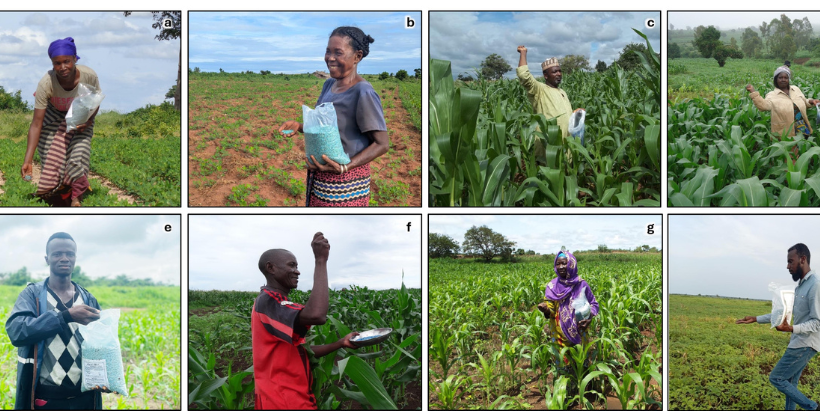
Native fungi offer a powerful solution to aflatoxin contamination: a landmark contribution from IITA
Scientists from IITA–CGIAR have published a comprehensive review of aflatoxin biocontrol in the Annual Review of
Partner with us
scale innovations that deliver measurable impact.