

TANZANIA
Country Overview
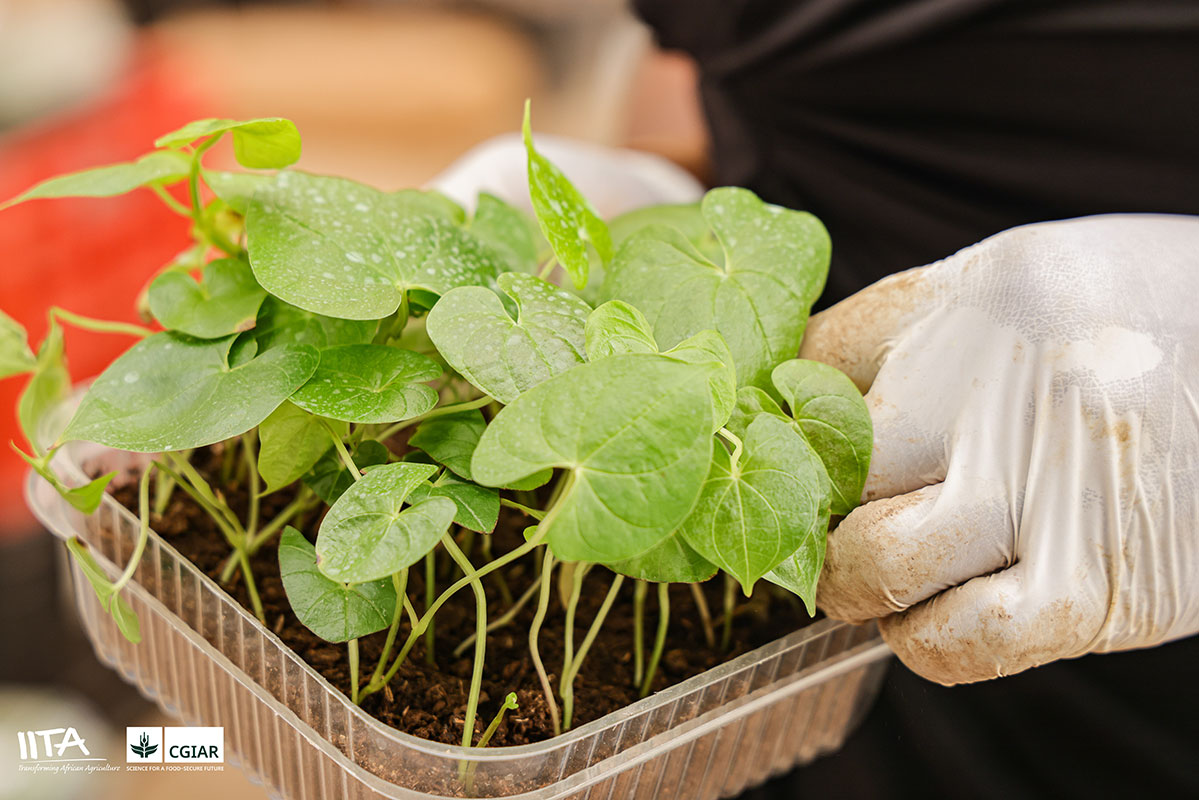
IITA Tanzania works with national partners across all seven research zones in the country. Its research focuses on sustainable farming, improved seed systems, crop pests and diseases, food safety, farm businesses, and stronger value chains for important crops.
Location
Dar es Salaam
Dar es Salaam, Tanzania
Plot 25, Mwenge Coca Cola Rd.
Postal address: P. O. Box 34441,
Dar es Salaam, Tanzania.
Tel: +255 22 2700092
Contacts
Diarra Cheick
C.Diarra@cgiar.org
DIARRA Cheick
Country Representative
C.Diarra@cgiar.org
FOCUS AREAS
Crop Improvement
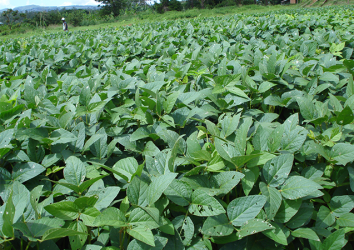
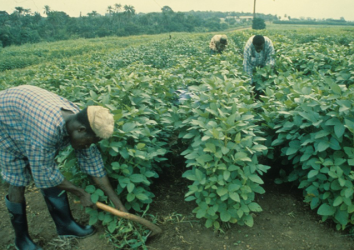
Developing and deploying high-yielding, climate-resilient, and disease-resistant crop varieties—particularly for banana, cassava, soybean, and cereals—to improve productivity, food security, and farmer incomes.
Plant Health
Strengthening plant health systems through integrated pest and disease management, surveillance, and biological control, with a strong focus on banana and cassava diseases such as Banana Bunchy Top Disease and cassava viral diseases.
Seed Systems
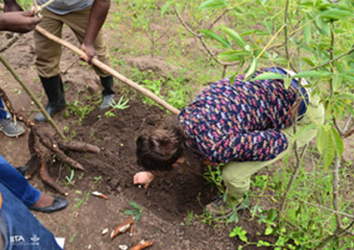
Building sustainable and inclusive seed systems to ensure timely access to quality planting materials, including improved cassava stems and banana plantlets, while supporting public–private sector collaboration.
Natural Resource Management
Promoting sustainable management of soil, water, and biodiversity through climate-smart and regenerative agricultural practices that enhance productivity while conserving natural resources.
Social Economics and Agribusiness
Supporting inclusive agribusiness development, market linkages, and value chain competitiveness through socio-economic research, policy engagement, and private sector partnerships.
Integrating Gender in Sustainable Agriculture
Mainstreaming gender and social inclusion to ensure women and youth have equitable access to technologies, resources, and opportunities across agricultural value chains.
Building Research Capacity
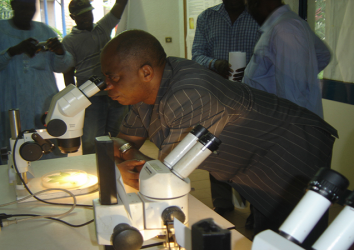
Strengthening human and institutional capacity through training, partnerships, and advanced research programs to support innovation, knowledge generation, and long-term agricultural transformation in Tanzania.
Innovations
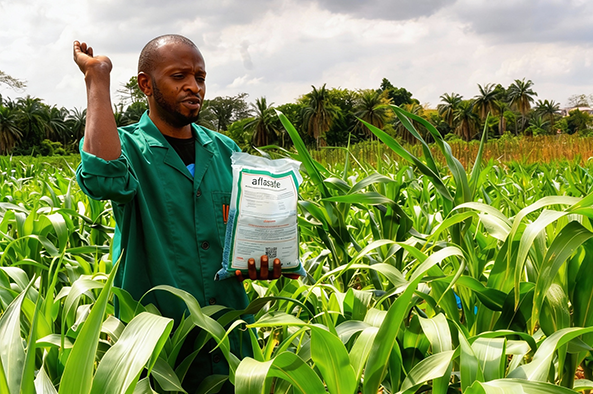
Aflasafe TZ01
A locally adapted, natural biocontrol product developed by IITA to reduce aflatoxin contamination in maize and groundnuts, improving food safety and market access for farmers.
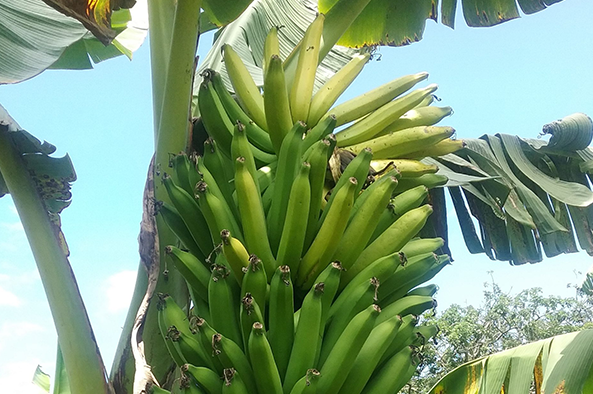
TARIBAN Matooke Banana Hybrids
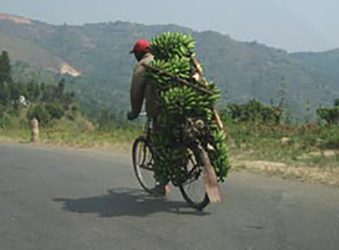
IITA developed four improved Matooke banana hybrids—TARIBAN 1, 2, 3, and 4—officially released in Tanzania in 2021. These are the country’s first-ever Matooke hybrids, combining high yield potential with improved disease resistance.
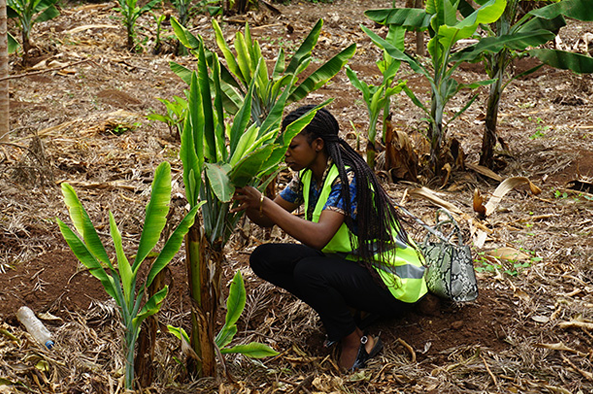
Banana Bunchy Top Disease (BBTD) Control Strategy
A nationally coordinated BBTD control plan developed with partners and currently being implemented through multiple projects to curb disease spread and protect banana-based livelihoods.
Digital Agriculture and Extension Tools
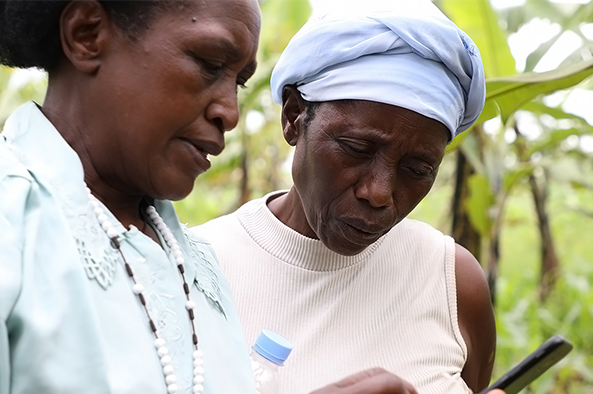
Development and scaling of digital advisory and decision-support tools, including AKILIMO, PlantVillage Nuru, Cassava Seed Tracker, CropVAR, and Farmer Management-Based Advisory (Farmer-MBA), to enhance farmer decision-making and service delivery.
Featured Projects
- Location: Burundi, Democratic Republic of Congo, Ghana, Kenya, Nigeria, Rwanda, Tanzania, Uganda
- Location: Côte d’ivoire, Ethiopia, Kenya, Nigeria, Senegal, Sudan, Tanzania, Zambia, Zimbabwe
- Location: Ethiopia, Malawi, Tanzania, Zambia
- Location: Benin, Ethiopia, Ghana, Kenya, Malawi, Mali, Nigeria, Tanzania, Uganda, Zambia
IMPACT HIGHLIGHTS
IITA works with national partners, the private sector, and farming communities to deliver measurable impact in Tanzania’s agri-food systems. Through research, innovation, and capacity development, our work supports safer food, improved crop productivity, healthier soils, stronger value chains, and informed decision-making. The impact highlights below present key results across priority areas.
20,000+
smallholder farmers (women and youth) benefit from IITA-linked projects
Earlier IITA‑linked projects were designed to benefit at least 20,000 smallholder farmers (women and youth) through strengthening cassava, sunflower, and bean value chains across five regions.
Partners
IITA’s success in Tanzania stems from strong partnerships with diverse organizations, allowing it to leverage local expertise and impact. This collaboration facilitates the testing and scaling of improved crop varieties, soil health interventions, and aflatoxin control throughout various counties.
- Ministry of Agriculture
- Alliance Bioversity International
- TARI
- CIAT
- TOSCI
- Tanzania Forestry Research Institute (TAFORI)
- NM-AISTPartners
- Tanzania Livestock Research Institute (TALIRI)
Publications
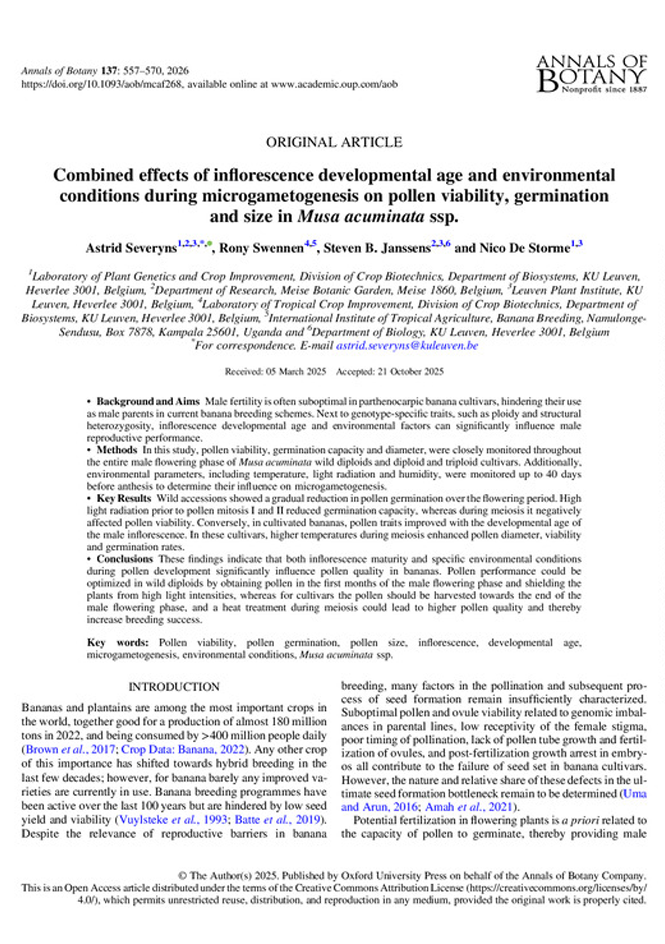
Combined effects of inflorescence developmental age and environmental conditions during microgametogenesis on pollen viability
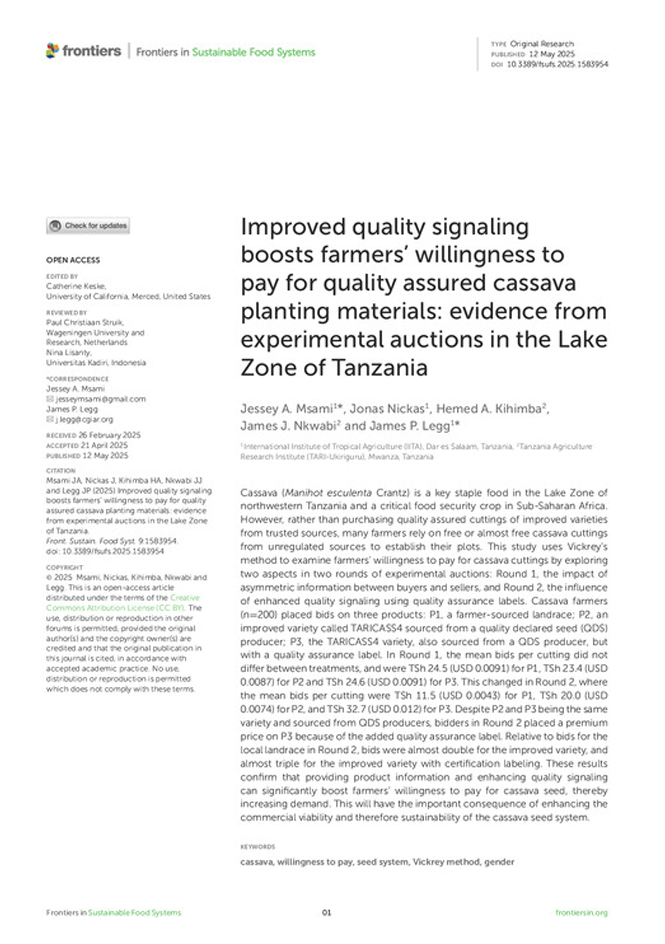
Improved quality signaling boosts farmers’ willingness to pay for quality assured cassava planting materials…
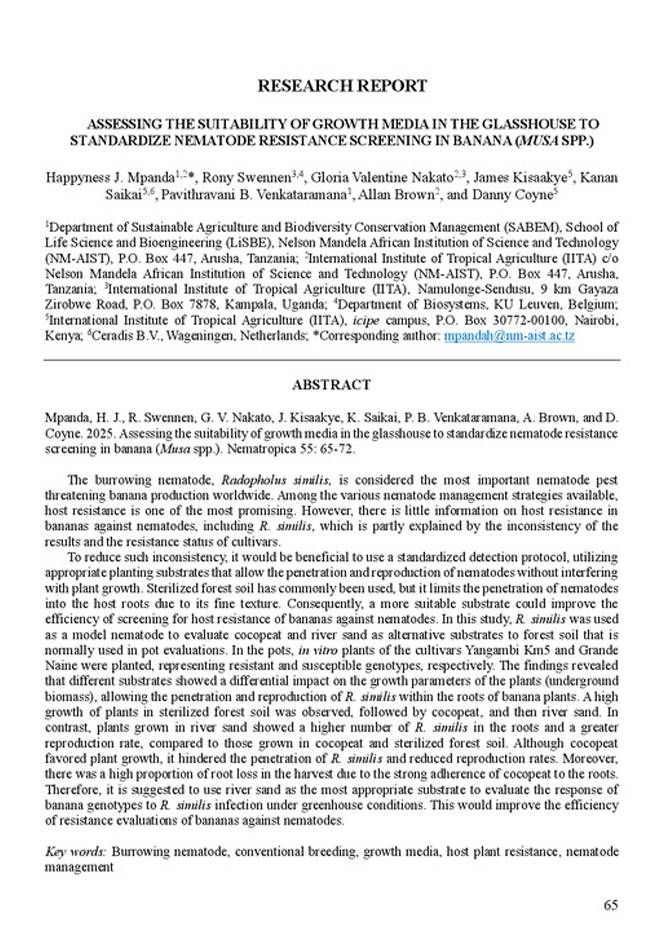
Assessing the suitability of growth media in the glasshouse to standardize nematode resistance screening in banana…
Related News
See all news

How science at IITA is transforming Africa’s food systems
When people think of agricultural research, they often picture scientists in white coats working quietly in laboratories, surrounded by microscopes, and test tubes or researchers on the field under the scorching sun collecting data from field trials.

Unlocking women’s land rights in cassava agrifood system through legal aid: Transformative pathways from Stand for Her Land Tanzania Symposium
For over 70 percent of rural women in Tanzania, land is more than an agriculturally
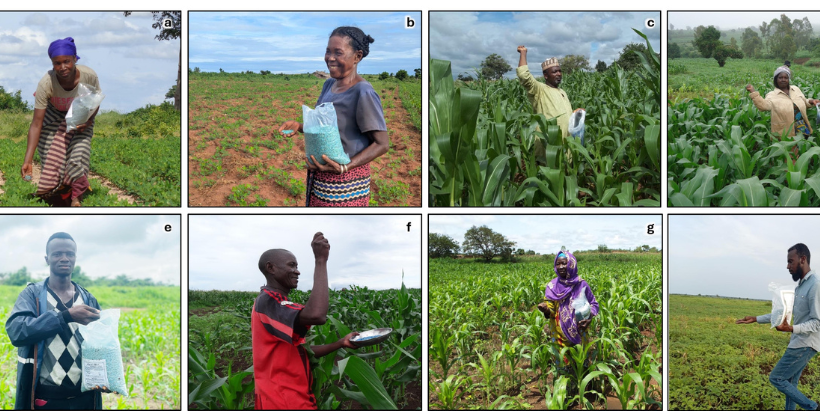
Native fungi offer a powerful solution to aflatoxin contamination: a landmark contribution from IITA
Scientists from IITA–CGIAR have published a comprehensive review of aflatoxin biocontrol in the Annual Review of