Burundi
COUNTRY OVERVIEW
The International Institute of Tropical Agriculture (IITA) established its Burundi station in 1994 and is hosted by the Institut des Sciences Agronomiques du Burundi (ISABU) in Bujumbura. A revised country agreement with the Government of Burundi strengthens its operational presence and partnership framework.
Read more
The station hosts Alliance of Bioversity International and CIAT, the International Livestock Research Institute (ILRI), and the International Potato Center (CIP). It operates with a team of 18 staff, comprising Internationally and Nationally Recruited Staff.
IITA Burundi implements project-based interventions using Research-for-Development and Partnerships-for-Development approaches, with activities largely under P4D due to limited research infrastructure. Despite these constraints, the station plays a key technical role in strengthening the value chains for maize, cassava, and bananas while supporting national research capacity.
Location
Bujumbura
Bujumbura, Burundi
Quartier Rohero I, Av. du Japon, P.O Box 1893, Bujumbura-Burundi
Tel: (+257) 22280536 / +257 61116382 / 71019550
Contacts
Patrick Mutuo
pk.mutuo@cgiar.org
IITA-Burundi@cgiar.org
FOCUS AREAS
Agroecology and Climate-Resilient Systems
Promoting agroecological farming practices that enhance soil health, biodiversity, and climate resilience. Through initiatives such as the CANALLS project, IITA supports maize and coffee farmers in adopting sustainable intensification practices that improve productivity while reducing environmental impact and strengthening resilience to climate variability.
Maize Research and Seed Systems
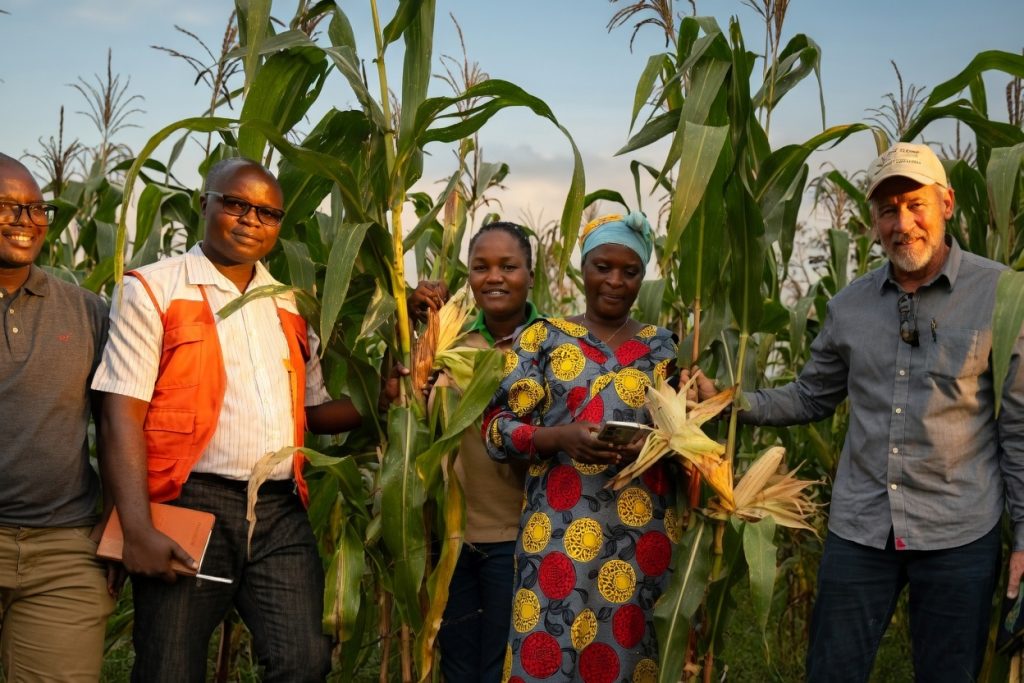
Advancing maize productivity by developing and deploying improved, high-performing varieties while strengthening national seed systems. Efforts focus on integrated pest management, improved soil fertility management, and post-harvest handling solutions to ensure farmers have reliable access to quality seed and improved production technologies.
Cassava Improvement and Rapid Multiplication
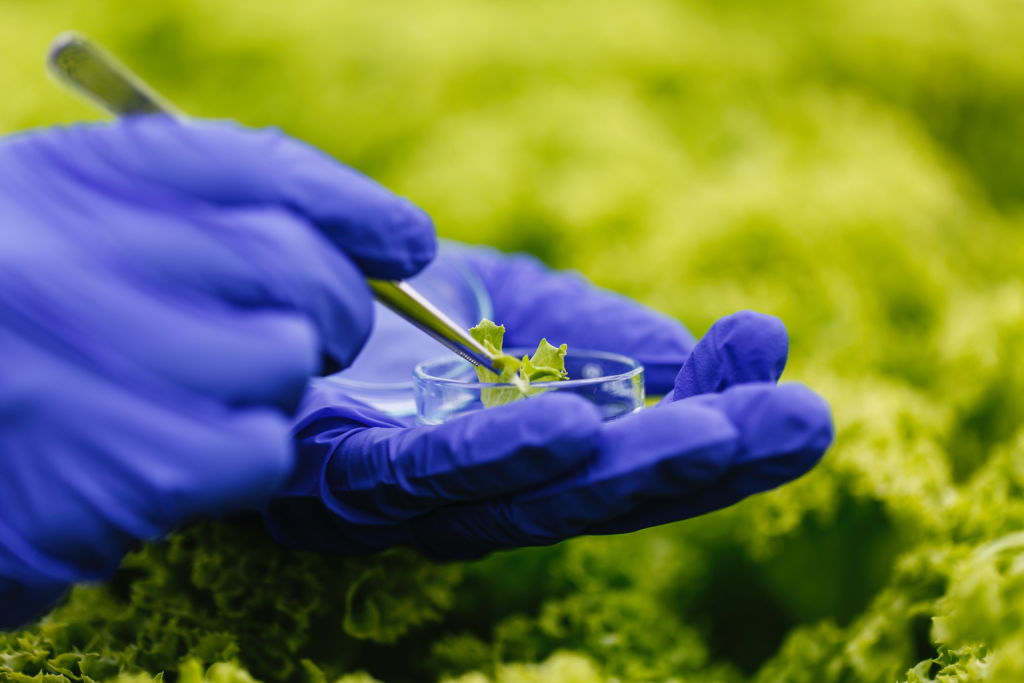
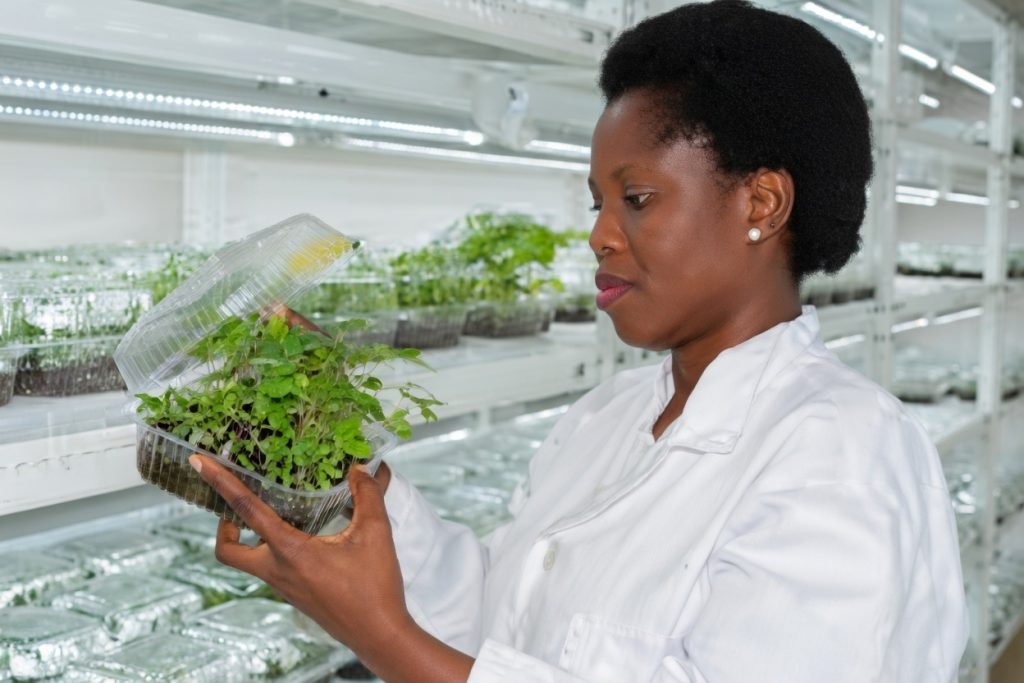
Accelerating cassava productivity through the introduction of disease-resistant varieties and improved seed delivery systems. Innovative technologies such as Semi-Autotrophic Hydroponic (SAH) systems and in-vitro propagation are used to rapidly multiply clean planting materials and support large-scale dissemination to farmers.
Banana Productivity and Market Systems
Enhancing banana production and value chain performance by promoting high-yielding and Banana Xanthomonas Wilt (BXW)-resistant varieties. IITA supports improved agronomic practices, intercropping systems, disease management, and stronger market linkages to increase productivity and income opportunities for farmers.
Strengthening Research Infrastructure for R4D
Building and upgrading research infrastructure to support advanced agricultural innovation and collaboration. Investments in screenhouses, laboratories, and SAH facilities strengthen Research-for-Development (R4D) capacity and enable faster testing, validation, and scaling of agricultural technologies.
Featured Projects
- Location: Burundi, Democratic Republic of Congo, Ghana, Kenya, Nigeria, Rwanda, Tanzania, Uganda
INNOVATION
Maize Variety Assessment
Ninety-four improved maize varieties were introduced for testing in the Imbo region. In 2022, thirteen varieties were approved and registered by the national commission, including eight IITA-bred hybrids and three bio-fortified composite varieties.
Banana Seed Multiplication
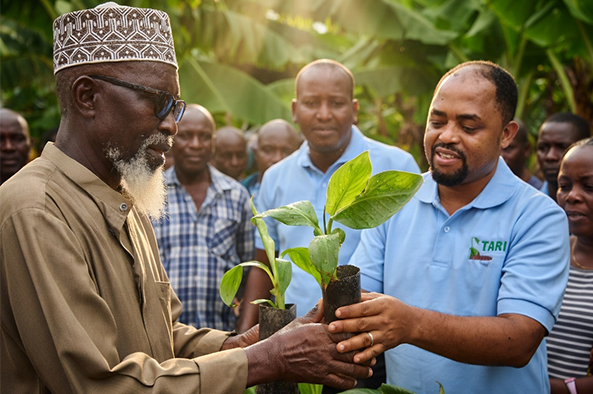
To improve access to clean banana planting materials, IITA introduced in-vitro propagation techniques through 13 propagation nurseries. The program also supported a private biotechnology company, Agrobiotec, to establish a viable in-vitro propagation system for large-scale seed multiplication.
Cassava Seed Multiplication
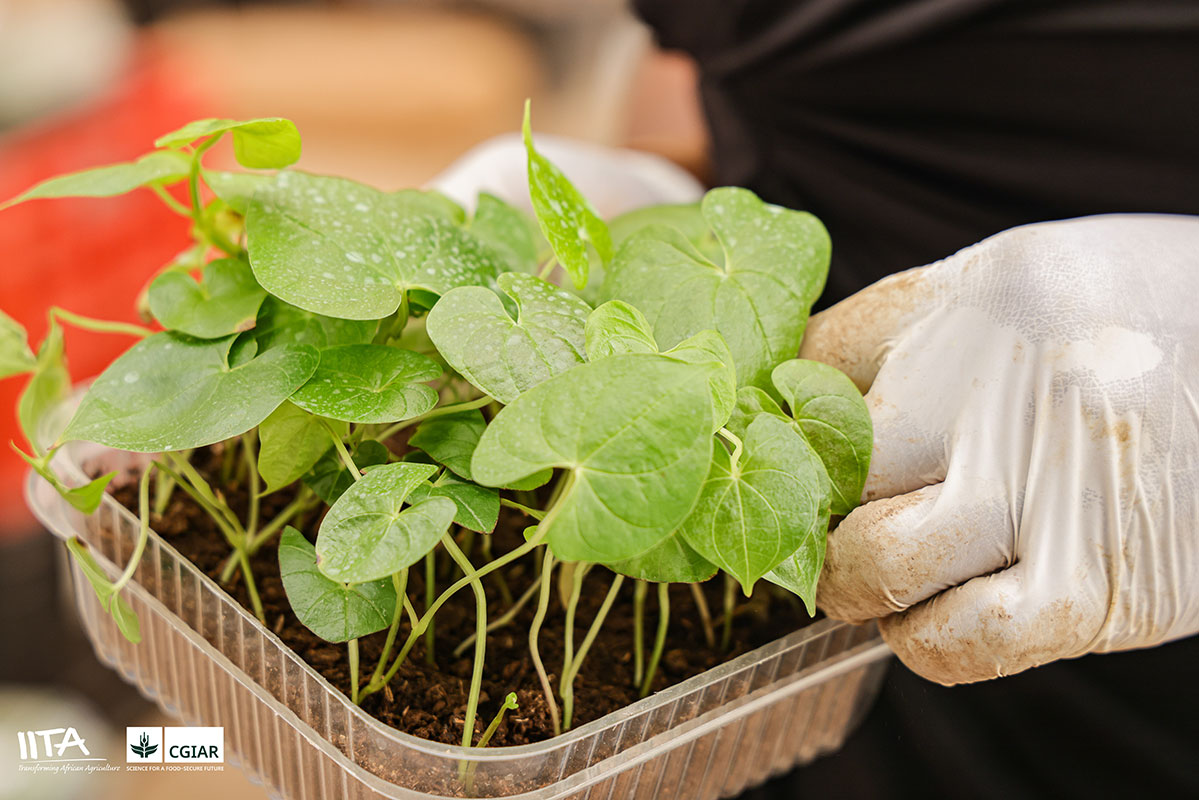
IITA deployed Semi-Autotrophic Hydroponic (SAH) technology in Bukemba to accelerate the multiplication of cassava planting materials. This innovative system enables rapid production of disease-free cassava seed, improving the availability of quality planting materials for farmers.
Cassava Variety Assessment
Seventeen cassava varieties resistant to Cassava Brown Streak Disease (CBSD) and Cassava Mosaic Disease (CMD) were introduced for evaluation. In addition, the in-vitro laboratory at ISABU in Gisozi was rehabilitated and equipped to strengthen cassava research and clean seed production.
Banana Varietal Assessment
Thirty-five high-yielding banana varieties resistant to Banana Xanthomonas Wilt (BXW) were introduced for testing and homologation. Quality planting materials have been transferred to ISABU for maintenance and further multiplication to support national banana production.
Banana Varietal Assessment
Thirty-five high-yielding banana varieties resistant to Banana Xanthomonas Wilt (BXW) were introduced for testing and homologation. Quality planting materials have been transferred to ISABU for maintenance and further multiplication to support national banana production.
IMPACT HIGHLIGHTS
IITA is generating measurable impact in Burundi by strengthening crop improvement, seed systems, and climate-resilient farming practices. Working with national partners and the private sector, IITA supports the development and scaling of improved varieties and innovative agricultural technologies. These efforts are enhancing productivity, strengthening food systems, and improving livelihoods for farmers across the country.
94
improved maize varieties introduced for testing
New and improved maize varieties were evaluated in the Imbo region, with 13 varieties approved and registered in 2022, including 8 IITA-bred hybrids and 3 bio-fortified composites.
35
high-yielding banana varieties introduced
High-yielding and Banana Xanthomonas Wilt–resistant (BXW) banana varieties were introduced for testing and homologation, with quality planting materials transferred to ISABU for multiplication.
17
high-yielding banana varieties introduced
New cassava varieties resistant to Cassava Brown Streak Disease (CBSD) and Cassava Mosaic Disease (CMD) were introduced to improve resilience and productivity.
13
maize varieties approved and registered
Maize varieties were approved and registered by the national commission, including 8 IITA-bred hybrids and 3 bio-fortified composites..
600+
tons of hybrid maize seed produced
Hybrid and composite maize seeds supported by IITA have been produced in Burundi since 2024, including the first batch of AM1911-7 (IITA M20-07/Ibadan), strengthening national maize seed supply.
13
banana propagation nurseries established
In-vitro propagation techniques were introduced through 13 nurseries, expanding access to clean banana planting materials and strengthening seed multiplication systems.
1
rapid cassava multiplication system deployed
Semi-Autotrophic Hydroponic (SAH) technology was introduced in Bukemba to accelerate cassava planting material production.
1
cassava tissue-culture laboratory rehabilitated
The in-vitro laboratory at ISABU in Gisozi was rehabilitated and equipped to support cassava research and rapid multiplication of clean planting materials.
Advanced propagation technologies introduced
Innovations such as SAH systems and in-vitro propagation techniques have strengthened research capacity and accelerated seed multiplication for key staple crops.
National research and seed system capacity strengthened
Technical support provided to research institutions, seed companies, and partners has strengthened seed production systems and improved crop value chains.
Multi-institutional partnerships established
Collaboration with national research organizations, development partners, and the private sector has enabled the testing, scaling, and adoption of improved agricultural technologies.
PARTNERS
IITA Burundi’s success is built on strong partnerships with research institutions, development organizations, government agencies, and private sector actors. These collaborations enable the testing, scaling, and adoption of improved crop varieties, agroecological practices, and seed systems across maize, cassava, and banana value chains.
- ISABU
- Alliance of Bioversity and CIAT
- ILRI
- CIP
- CNTA
- IFDC
- University of Burundi
- Help Channel
- ADISCO
- CAPAD
- AUFIN
- World Vision
- ENABEL
- ACORD
- MINEAGRRIE
- ONCCS
- BBN
- IFDC
- WHH
- APROSAN
- Yourh Agribusiness Incubator
- TOTAHARA
- AGROBIOTECH
- COPROSEBU
- WFP
- UNICEF
- FAO
- IFAD
- AfDB
- UN Women
Publications
Genetic improvement of banana for resistance to xanthomonas wilt in East Africa
Banana and plantain system in
sub-Saharan Africa
Awareness of aflatoxin and willingness to pay for aflasafe technology…
Related News
See all news

Why Climate Finance Must Tackle Food Loss and Waste
Every harvest season in Africa, food is lost or wasted at staggering levels. Nigeria loses 45% of its 3.9 million tons of tomato harvest each year to postharvest losses and supply chain inefficiencies.

Regional project strengthens seed systems and early warning tools in four African nations
IITA-CGIAR, through the Technologies for African Agriculture Transformation (TAAT) program
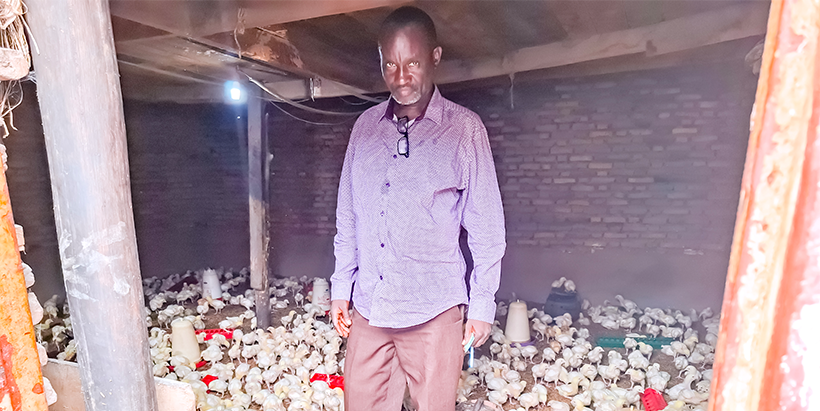
Chicken is becoming the affordable, favored source for meat and eggs in Burundi, while also driving a business boom
In the quiet village of Buringa in Gihanga Commune, Bubanza Province, Maurice Murishi, a 59-year-old
See all news