
Climate resilient varieties - Breeding
Breeding climate-resilient crop varieties is a core pillar of the International Institute of Tropical Agriculture (IITA)’s climate action agenda. As climate change and variability intensify across sub-Saharan Africa (SSA), strengthening the adaptive capacity of staple crops has become essential to safeguarding food security, farmer incomes, and rural livelihoods.
IITA breeding programmes prioritizes improving grain yield potential, yield stability, robustness, and farmer and market-preferred traits alongside consumer preference traits such as taste, cooking quality, and market appeal while strengthening resistance to pests and diseases and enhancing tolerance to heat, drought, and other climate stresses. Our approach recognizes that productivity alone is insufficient hence, resilience and market relevance must be dovetailed to ensure adoption and long-term impact.
Climate change is altering pest and disease dynamics across Africa, exposing crops to new threats and, increasingly, to multiple stresses occurring at the same time. Crops are now more likely to experience drought combined with heat stress, or flooding accompanied by heightened disease pressure. In response, IITA develops varieties with stacked resilience traits. Theseinclude early maturity to reduce exposure to terminal drought, flooding, and heavy rainfall, as well as improved tolerance to temperature extremes, enhanced resistance to evolving pests and pathogens, and root and canopy characteristics that improve performance under variable field conditions.
By integrating these traits, IITA delivers varieties that are better equipped to withstand climate shocks and stresses while maintaining productivity for smallholder farmers. To stay ahead of emerging risks, IITA uses climate projections and risk analysis to identify future climate conditions and align breeding priorities, accordingly, ensuring that today’s varieties are prepared for tomorrow’s climates.
Across multiple crops, IITA has released widely adopted climate-resilient varieties that demonstrate this impact in practice. For example:
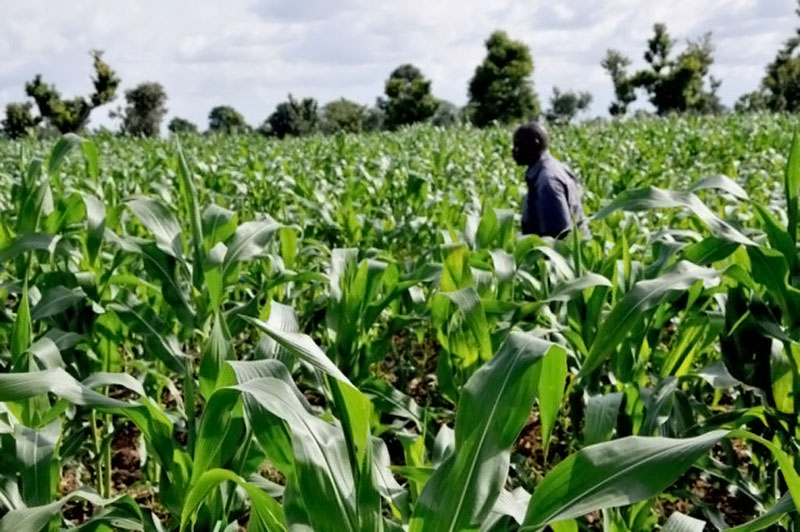
Drought-tolerant maize varieties
Developed through collaborative breeding efforts have significantly improved yield stability in drought-prone areas of West and Central Africa.
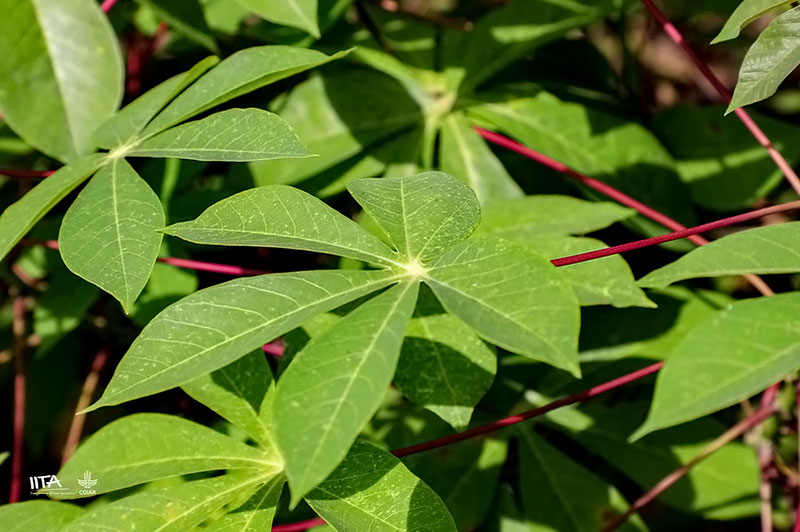
Early-maturing and virus-resistant cassava varieties
Have enhanced resilience to cassava mosaic disease and cassava brown streak disease while maintaining high yield potential.
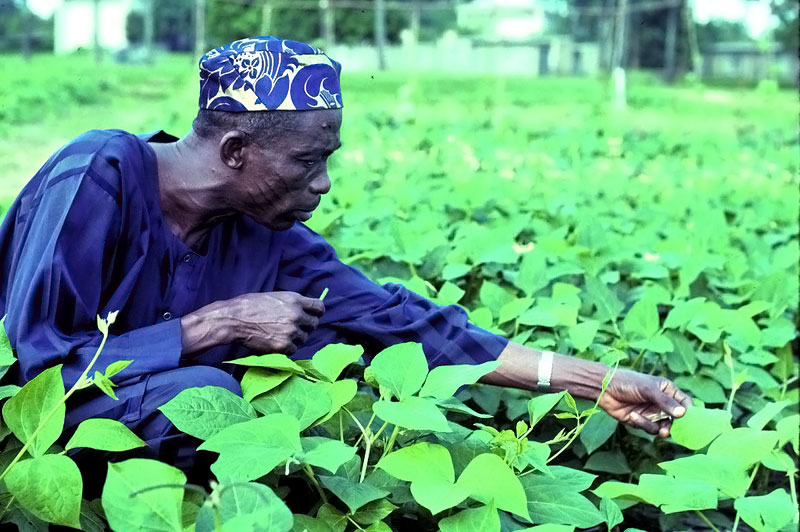
Improved cowpea varieties
Combining heat tolerance and resistance to major pests have strengthened food and nutrition security in semi-arid zones.
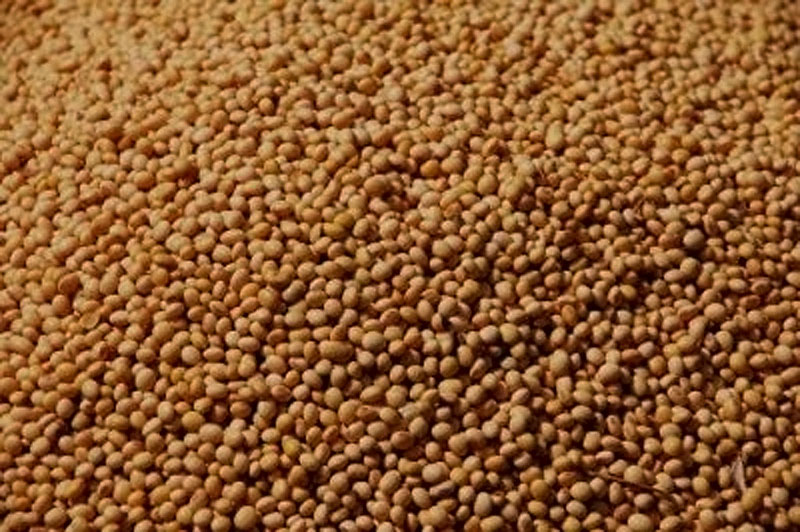
Resilient soybean lines
With improved adaptation and disease resistance have expanded production into new agro-ecologies, supporting income diversification for farmers.
These success stories illustrate how climate-smart breeding translates into tangible outcomes: reduced vulnerability, stabilized yields, improved incomes, and strengthened food systems. By combining advanced breeding tools, predictive climate science, and close engagement with farmers and partners, IITA continues to position crop improvement at the forefront of Africa’s climate adaptation strategy.