Western Africa Hub
The International Institute of Tropical Agriculture (IITA), headquartered in Ibadan, Nigeria, leads agricultural research and development across West Africa. Its work focuses on improving key crops, such as cassava, yam, maize, soybeans, bananas, plantains, sorghum, and cowpeas, to boost yields, resist pests, and adapt to local conditions.
IITA also promotes sustainable farming through better soil and pest management, while helping farmers access markets and agribusiness opportunities. The institute collaborates with national research bodies and youth programs to strengthen food systems and create jobs.
Countries covered
FOCUS AREAS
Genetic Innovation and Seed Systems
Advancing genetic innovation with a strong focus on building innovative and inclusive seed systems. This work ensures farmers have reliable access to high-quality, improved planting materials that enhance productivity, resilience, and food security.
Plant Health for Staple and High-Value Crops
Strengthening plant health management for major staple crops, horticultural crops, and fruit trees to reduce losses, improve yields, and enhance food quality across farming systems.
Arthropod Biodiversity Research
Researching arthropod biodiversity to better understand pest dynamics, beneficial insects, and ecosystem services, supporting sustainable pest management and biodiversity conservation.
Agro-Eco-Health and Circular Bio-Economy
Promoting integrated Agro-Eco-Health approaches that link agriculture, environment, and human well-being, including the development of circular bio-economy solutions that reduce waste and improve sustainability.
Agricultural and Environmental Research Capacity Strengthening
Enhancing national and regional research capacities in agriculture and environmental sciences through infrastructure development, skills building, and collaborative research to address emerging challenges.
Climate-Smart Agriculture
Promoting climate-smart agricultural practices that increase productivity, strengthen resilience to climate change, and reduce greenhouse gas emissions across diverse farming systems.
Cassava Improvement
Advancing cassava breeding and innovation to deliver higher-yielding, disease-resistant, and climate-resilient varieties that support food security and agro-industrial development.
Youth Agribusiness Development
Empowering young people through agribusiness training, entrepreneurship support, and market access, creating employment opportunities and driving innovation in the agricultural sector.
Featured Projects
- Location: Burundi, Democratic Republic of Congo, Ghana, Kenya, Nigeria, Rwanda, Tanzania, Uganda
- Location: Mozambique
IMPACT Highlights
These highlights showcase IITA’s impact across West Africa through improved crop varieties, resilient farming systems, and evidence-based innovations that enhance productivity, strengthen food and nutrition security, and improve livelihoods.
80+
improved crop varieties released
Improved cassava, yam, maize, cowpea, soybean, and other staples developed in partnership with national partners.
400+
high-quality cassava varieties available
Across Africa, including West Africa, over 400 improved cassava varieties have been developed and deployed for commercial and nutritional use.
26
new yam varieties released
New high-yielding yam varieties have been transformed farming across multiple states, particularly in Nigeria.
100+
IITA-bred cowpea, maize, and yam materials used by national programs
IITA contributions to mainstream varietal portfolios in the region support productivity and resilience.
Climate & Sustainable Agriculture
Innovations such as IITA-developed Aflasafe biocontrol products contribute to reduced aflatoxin risks across maize and groundnut systems, supporting healthier diets and market access.
Climate-smart practices integrated regionally
IITA’s agronomy and natural resource management solutions are adopted across West African agroecologies to build resilience to climatic stresses.
12000+
farmers trained
Improved cassava, yam, maize, cowpea, soybean, and other staples developed in partnership with national partners.
7,000+
youth trained in agribusiness and production skills
Under youth-focused initiatives in Nigeria and West African networks, thousands of young agripreneurs received technical and business training.
400+
young farmers equipped with inputs
Targeted agribusiness support includes equipment and inputs for youth cluster enterprises in multiple value chains
Millions lifted toward food security & productivity growth
IITA science across West Africa contributes to improved staple production and livelihoods, with evidence linking adoption to poverty reduction and nutrition gains.
Facilities
Genetic Resources Center
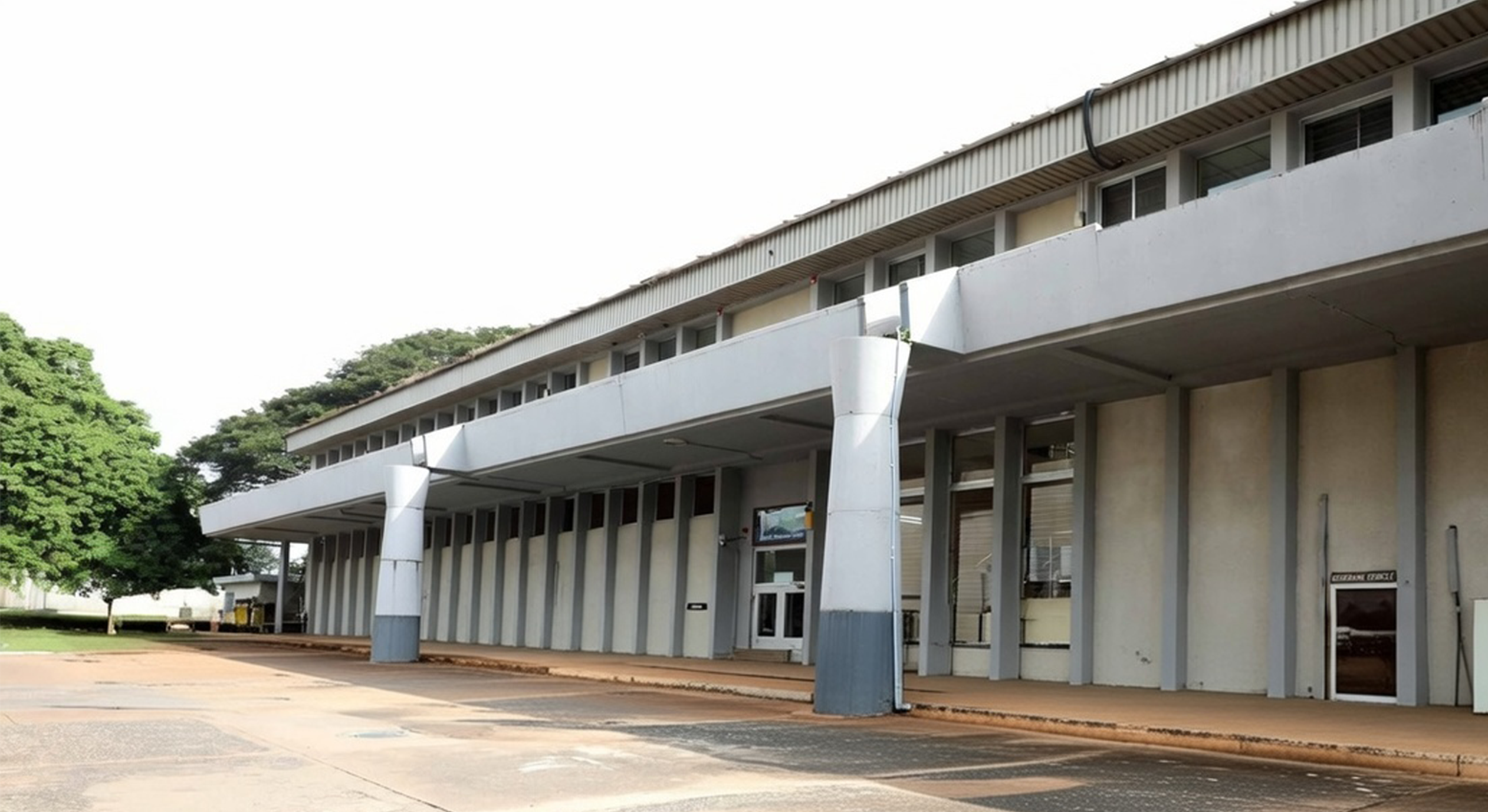
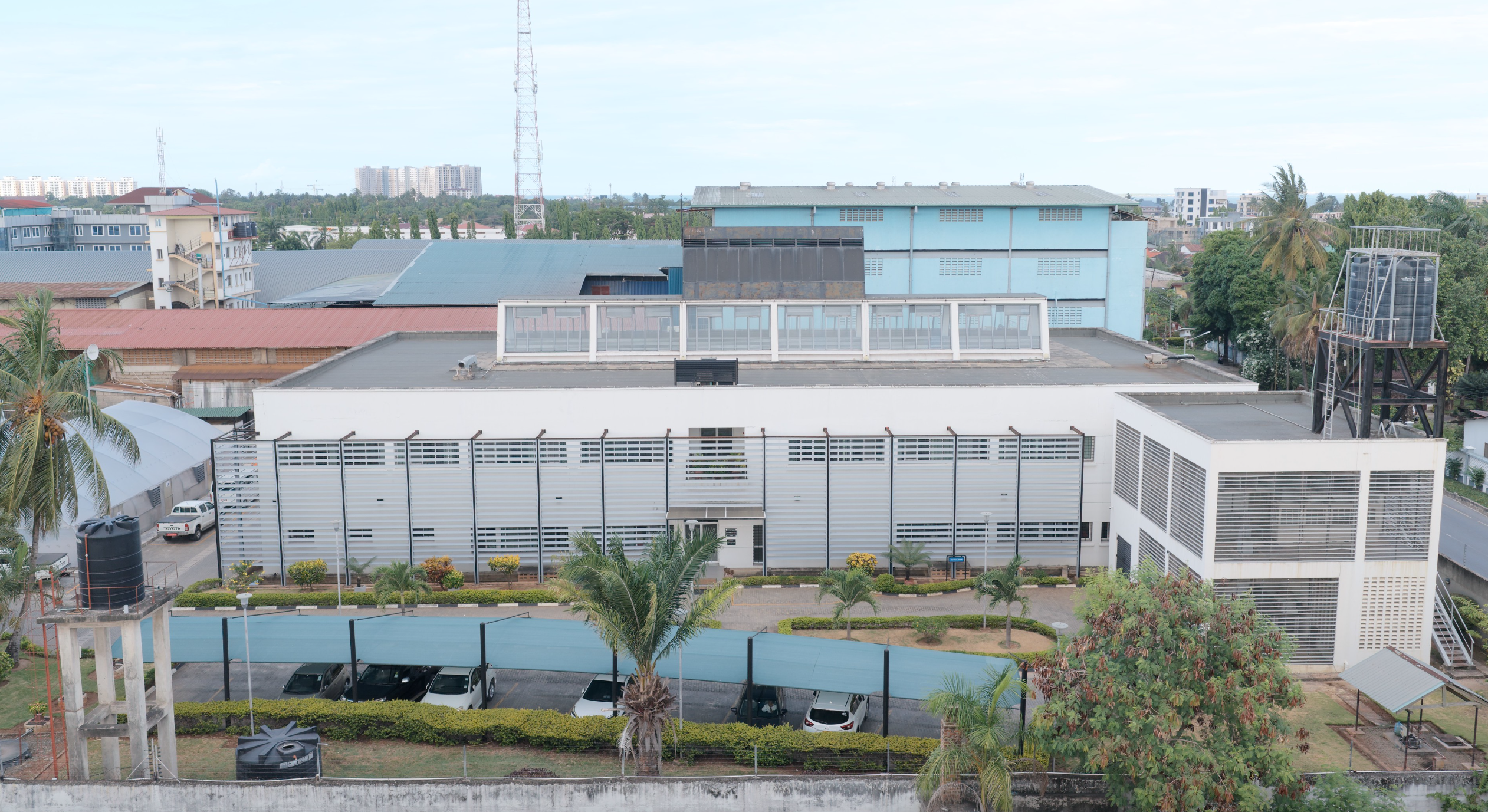
The Genetic Resources Center at IITA–Ibadan houses and manages internationally significant germplasm collections of key staple crops, including cowpea, maize, cassava, yam, soybean, and other legumes. It conserves, characterizes, documents, and makes germplasm available for breeding, research, and development, supporting crop improvement and food security across Africa.
Hub Address
Postal address: PMB 5320, Oyo State, Nigeria
Tel: +120133094, +23407008004482, +234804035281-3
E-mail: IITA-iita@cgiar.org
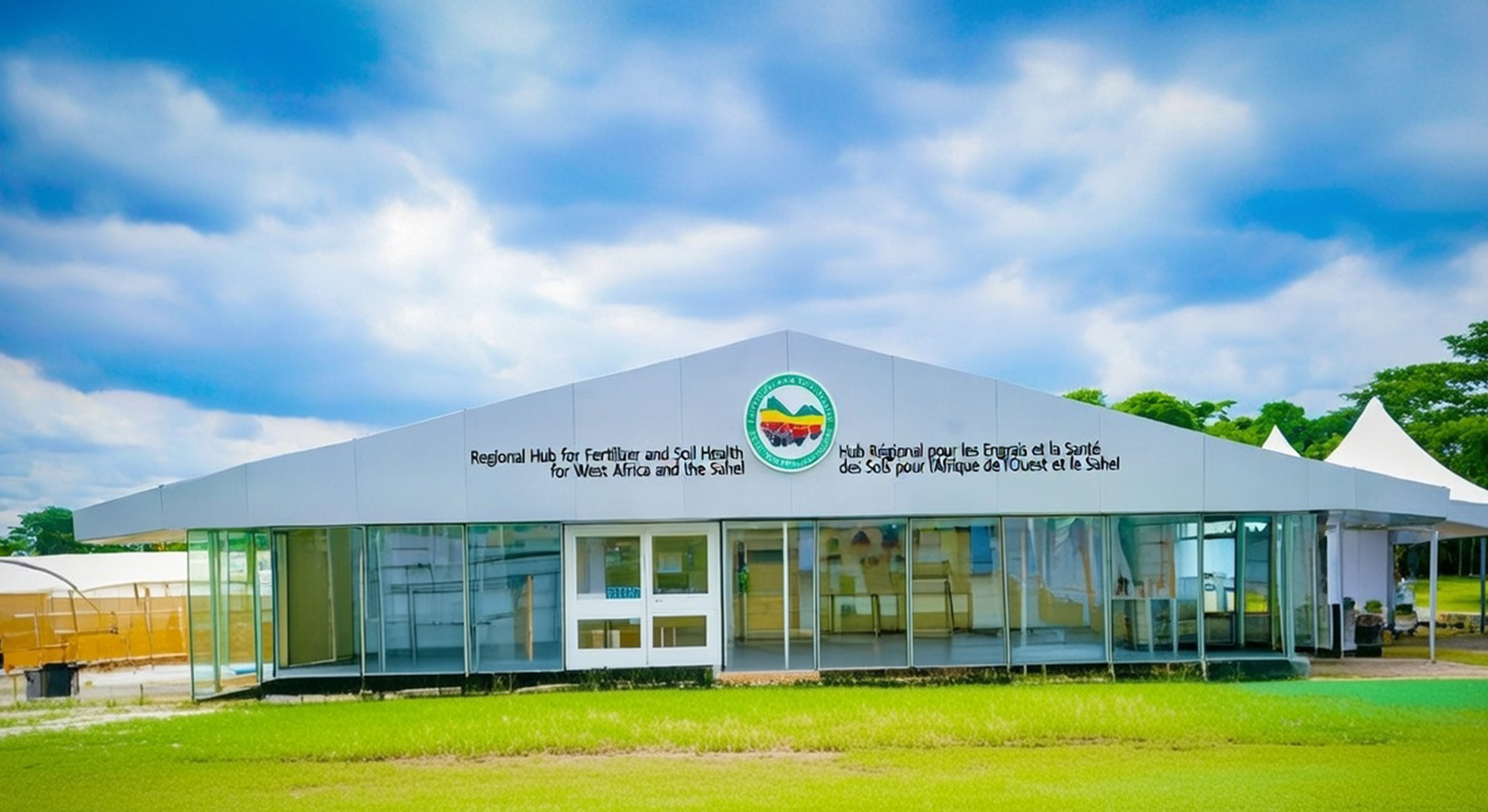
Regional Hub for Fertilizer and Soil Health
The Regional Hub for Fertilizer and Soil Health for West Africa and the Sahel is hosted on the IITA campus. It provides laboratory testing, training, and technical support to enhance soil fertility management and sustainable fertilizer use. The Hub brings together partners to develop soil health solutions tailored to local agro-ecological needs, boosting productivity, resilience, and profitability for smallholder farmers.
Germplasm Health Unit
The Germplasm Health Unit (GHU) ensures phytosanitary quality of germplasm for international exchange and research use. It conducts health testing, certification, and cleaning of seed and vegetatively propagated materials in line with global standards, protecting crop improvement pipelines and supporting safe germplasm distribution.
Virology and Molecular Diagnostics Unit
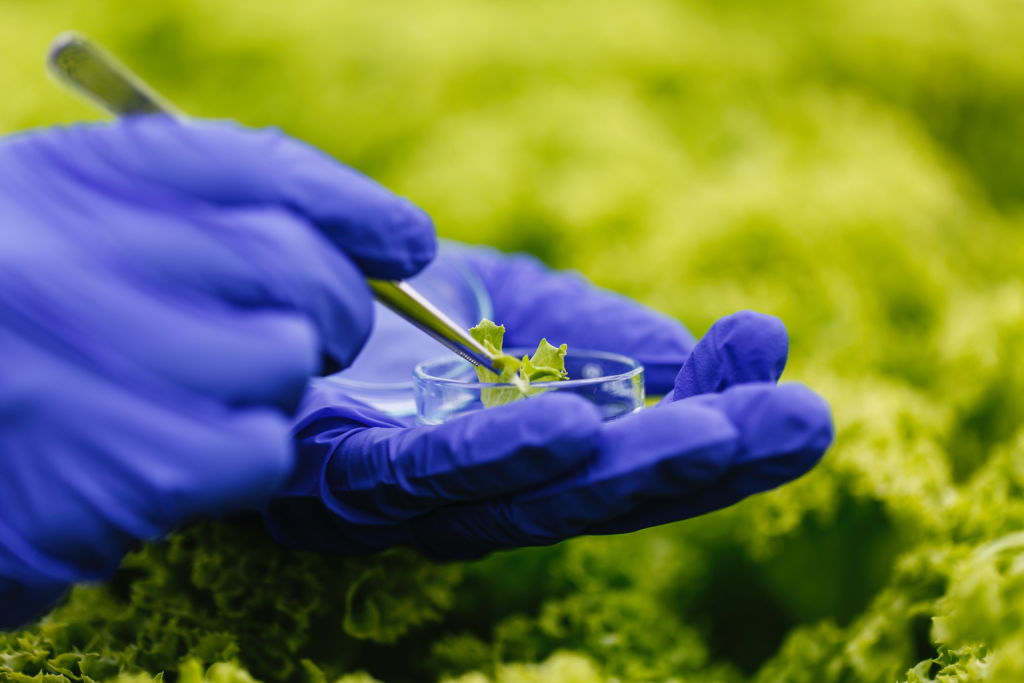
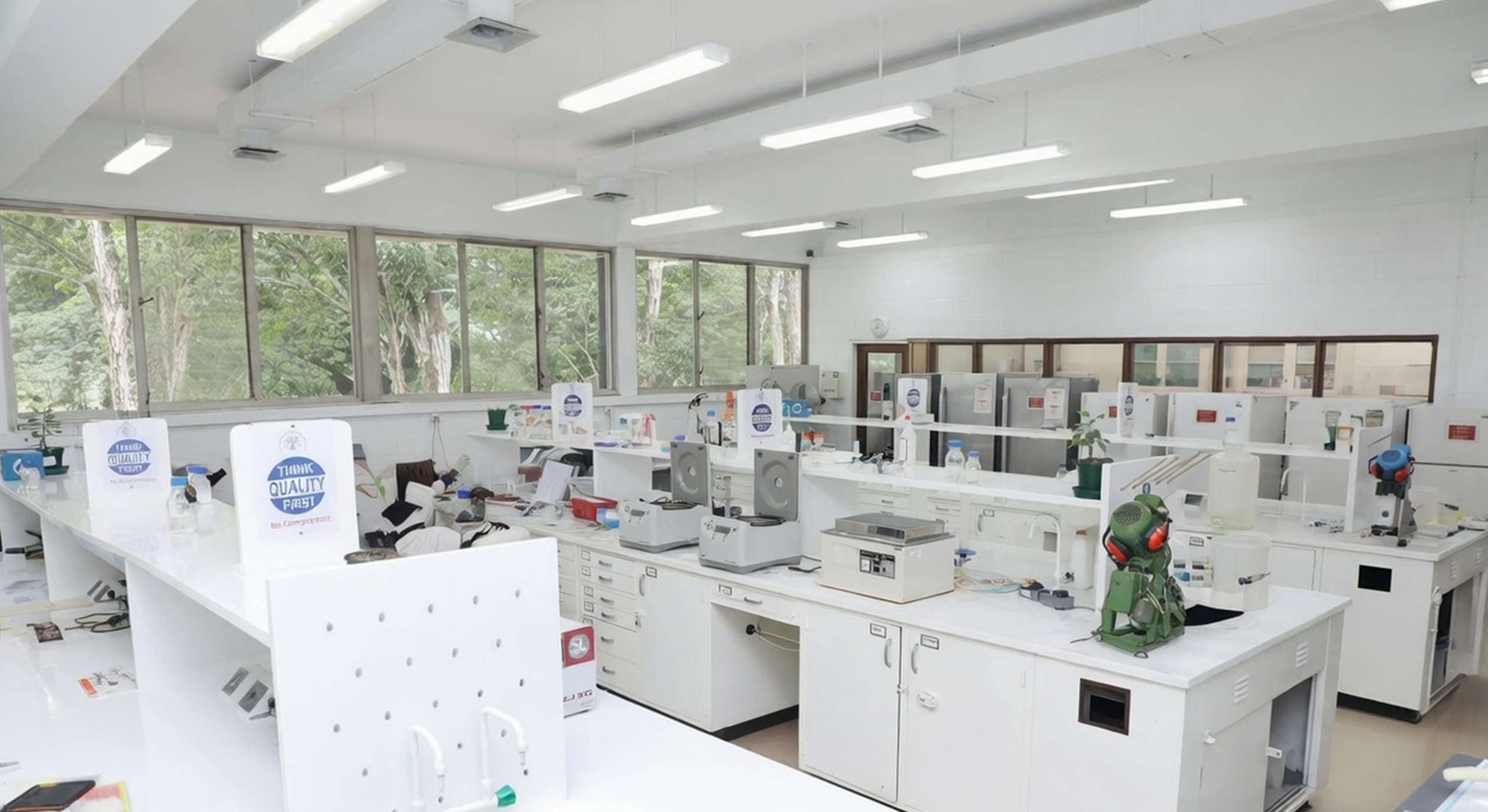
This facility supports advanced pathogen detection and molecular diagnostics for plant health. Using state-of-the-art tools such as PCR and real-time PCR, the Unit screens plant materials for viral and other microbial threats, contributing to healthy seed systems and resilient cropping systems.
Biometrics Unit
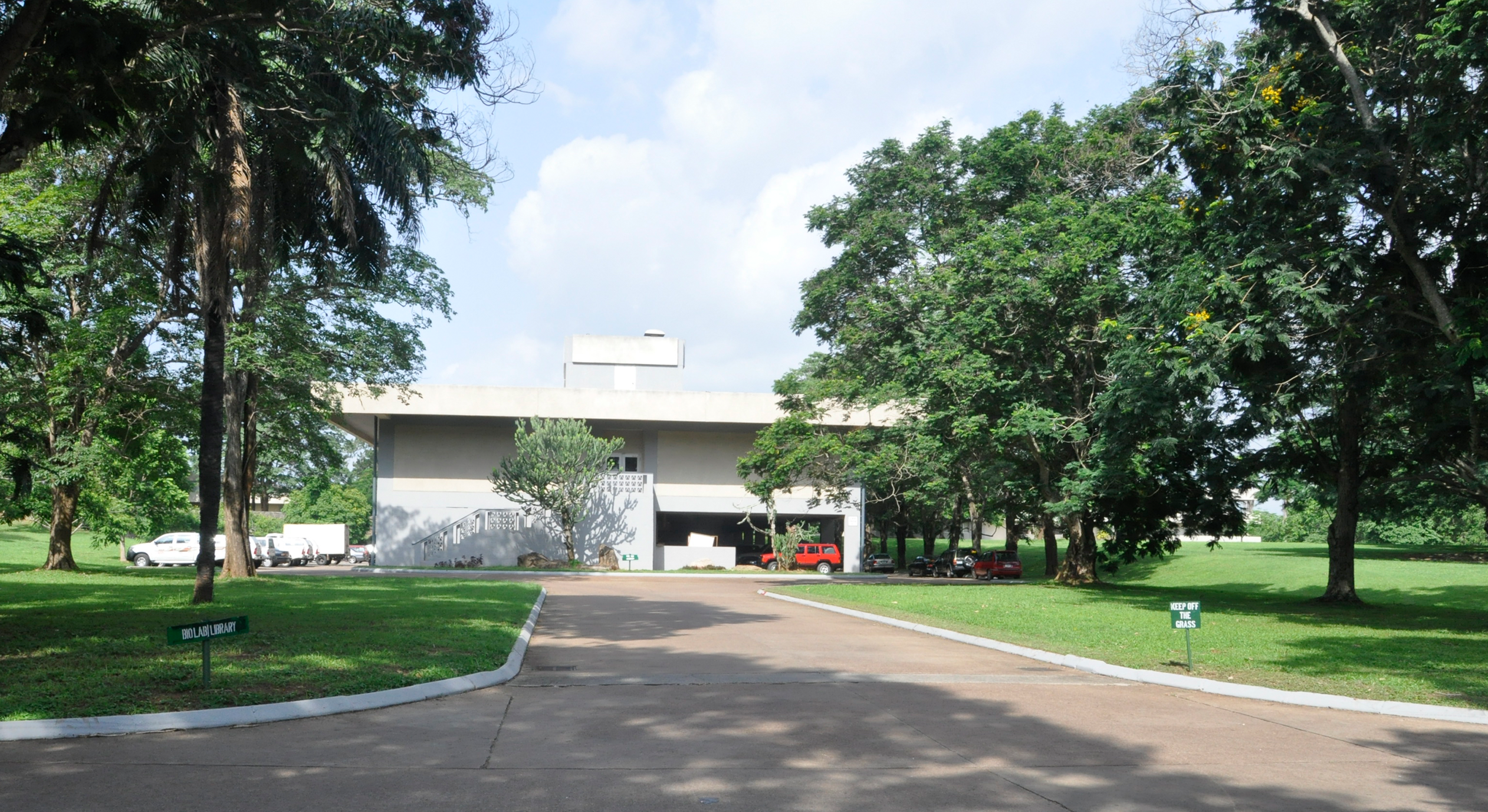
The Biometrics Unit and a wide range of specialized laboratories providing expertise in analytical services, nematology, plant pathology, geospatial mapping, soil microbiology, crop breeding, entomology, and food and nutrition research to strengthen data-driven decision-making and agricultural innovation.
Related News
See all news

Why Climate Finance Must Tackle Food Loss and Waste
Every harvest season in Africa, food is lost or wasted at staggering levels. Nigeria loses 45% of its 3.9 million tons of tomato harvest each year to postharvest losses and supply chain inefficiencies.

Belgium honors IITA scientist with noble title of Baron
IITA–CGIAR celebrates one of its distinguished scientists, Professor Rony Swennen, following his conferment of the noble

IITA, Democratic Republic of the Congo strengthen agricultural partnership with new MoU
As part of efforts to strengthen food security in the Democratic Republic of Congo (DRC),
Partner with us
We work with governments, donors, and partners
to co-design and
scale innovations that deliver measurable impact.
Hub Address
Office: Oyo Road, Idi-Oshe, Ibadan, Nigeria
Postal address: PMB 5320,
Oyo State, Nigeria
Tel: +120133094, +23407008004482, +234804035281-3
E-mail: IITA-iita@cgiar.org