
CROP PROCESSING
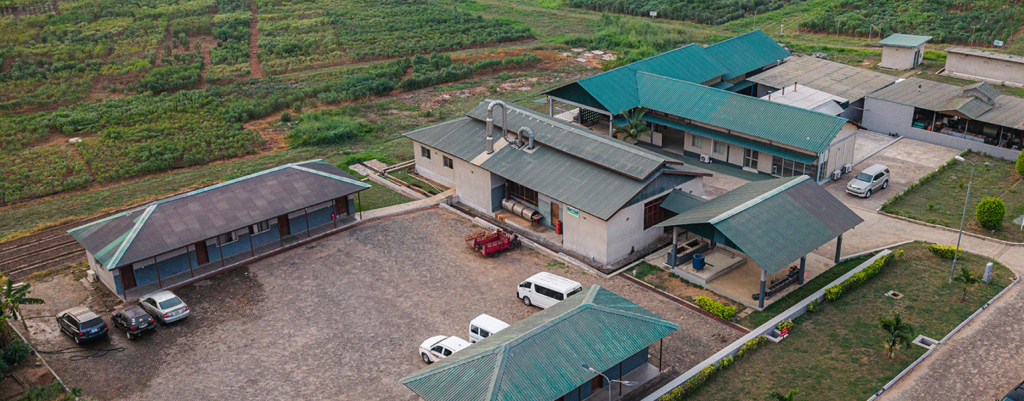
CRO PROCESSING – Ibadan, Nigeria
Crop processing refers to transforming raw agricultural produce into value-added products that are safer, more nutritious, longer-lasting, and more marketable than the raw harvest. This includes activities such as:
- Milling grains into flour
- Turning tubers into flakes or starch
- Processing legumes into food or animal feed products
- Drying, sorting, cleaning, and packaging produce
Crop processing enhances quality, reduces post-harvest losses, creates new products, and increases income opportunities for farmers and agripreneurs.
IITA’s role in crop processing
While IITA is primarily a research‑for‑development institute, it supports crop processing in several direct and indirect ways through its programs and partnerships:
Business Incubation Platform (BIP)
The IITA Business Incubation Platform supports crop processing by offering food processing services and training as part of its suite. BIP helps agripreneurs turn raw crops into value-added products ready for market and supports them with equipment and capacity-building to scale up processing businesses. (iitabip.com)
Examples of services offered under crop processing include:
- Food processing training for small and medium agribusinesses
- Access to food processing equipment
- Support to develop market-ready products from cassava, cereals, legumes, and other staples
Technical support and advisory services to improve processing quality and profitability
Postharvest loss reduction and processing projects
IITA also engages in initiatives that strengthen processing and reduce losses in crop value chains. For example, it is involved in projects designed to reduce postharvest losses in Vitamin A cassava and Vitamin A maize value chains by addressing delays in harvesting, inefficient processing techniques, and inadequate storage and distribution infrastructure. These efforts improve the quality and quantity of processed products available for consumption or sale.
Technology and equipment for rural processing
IITA has developed and showcased processing technologies, including mechanised and mobile processing equipment, such as mobile cassava processing plants. These allow farmers and processors to take machines to the field, reducing transportation costs and enabling them to convert cassava roots into usable products (e.g., flour, gari, starch) right at the source.
These technologies help to:
- Expand local processing capacities
- Enhance product quality and shelf life
Open up new income-earning opportunities for farmers and rural entrepreneurs
Why crop processing matters
Crop processing plays a vital role in agricultural systems by:
- Increasing rural incomes: Processed products often fetch higher market prices than raw commodities.
- Reducing waste: Value addition and preservation techniques cut down postharvest losses.
- Improving nutrition: Processing enables the production of fortified or health-enhanced foods.
- Creating jobs: Processing facilities and systems generate employment along value chains.
- Strengthening market linkages: Processed products can reach broader consumer markets and export opportunities.
Although IITA itself does not operate large-scale industrial processing facilities, it actively supports crop processing through:
- Technical and training services via the Business Incubation Platform (BIP)
- Postharvest loss reduction and value chain strengthening projects
- Development and dissemination of processing technologies and equipment
Building capacity for agripreneurs to turn farm produce into value-added products