Zambia
COUNTRY OVERVIEW
The International Institute of Tropical Agriculture has operated in Zambia since the mid-1980s, initially supporting the successful biological control of major cassava pests in collaboration with national partners. Building on this foundation, IITA expanded its work to include crop improvement, seed systems, and value chain development for cassava and legumes.
Read more
Over the years, the institute has strengthened research capacity, supported infrastructure development, and delivered innovations that enhance productivity, food security, and livelihoods across the country.
Location
Lusaka
Lusaka, Zambia
Tel: +260 211840365
Email: iita-zambia@cgiar.org
Contacts
David Chikoye
d.chikoye@cgiar.org
Mudenda, Mazuba Anna-Sepile
m.mudenda@cgiar.org
FOCUS AREAS
Cassava Improvement and Seed Systems
Developing and disseminating improved cassava varieties while strengthening seed systems to ensure farmers’ access to clean and disease-free planting materials.
Legume Value Chains
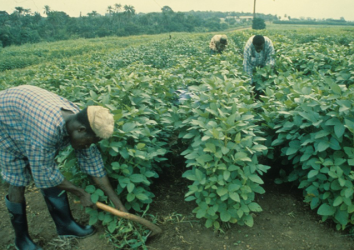
Advancing soybean and cowpea production through improved varieties, agronomy, and market-oriented value chain development.
Pest and Disease Management
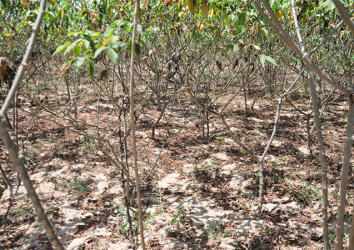
Promoting sustainable and biological control approaches to manage major crop pests and diseases affecting cassava and other staple crops.
Climate-Smart Agriculture
Supporting resilient farming systems through improved agronomic practices, soil fertility management, and adaptation to climate variability.
Capacity Development and Partnerships
Strengthening national research systems, extension services, and human capacity through training, collaboration, and institutional support.
Featured Projects
- Location: Côte d’ivoire, Ethiopia, Kenya, Nigeria, Senegal, Sudan, Tanzania, Zambia, Zimbabwe
- Location: Ethiopia, Malawi, Tanzania, Zambia
- Location: Benin, Ethiopia, Ghana, Kenya, Malawi, Mali, Nigeria, Tanzania, Uganda, Zambia
- Location: Angola, Mozambique, Zambia
INNOVATION
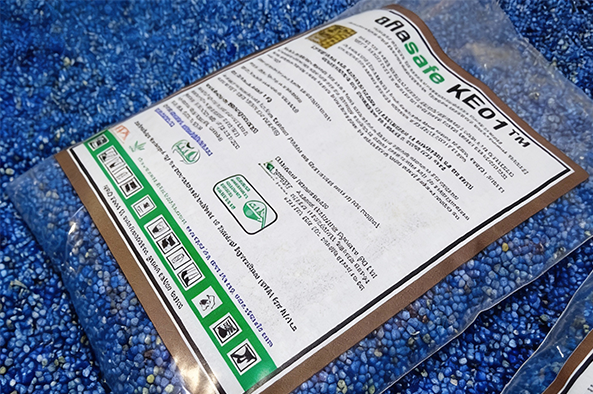
Aflasafe
Deployment of Aflasafe, a biological control technology developed by International Institute of Tropical Agriculture, to reduce aflatoxin contamination in maize and groundnut, improving food safety, market access, and public health outcomes.
Post-harvest management
IITA-Zambia distributed cassava processing machines and a recipe book featuring over 100 cassava-based recipes to strategic partners, including NGOs, small-scale entrepreneurs, and selected farmers.
Cassava Seed Multiplication
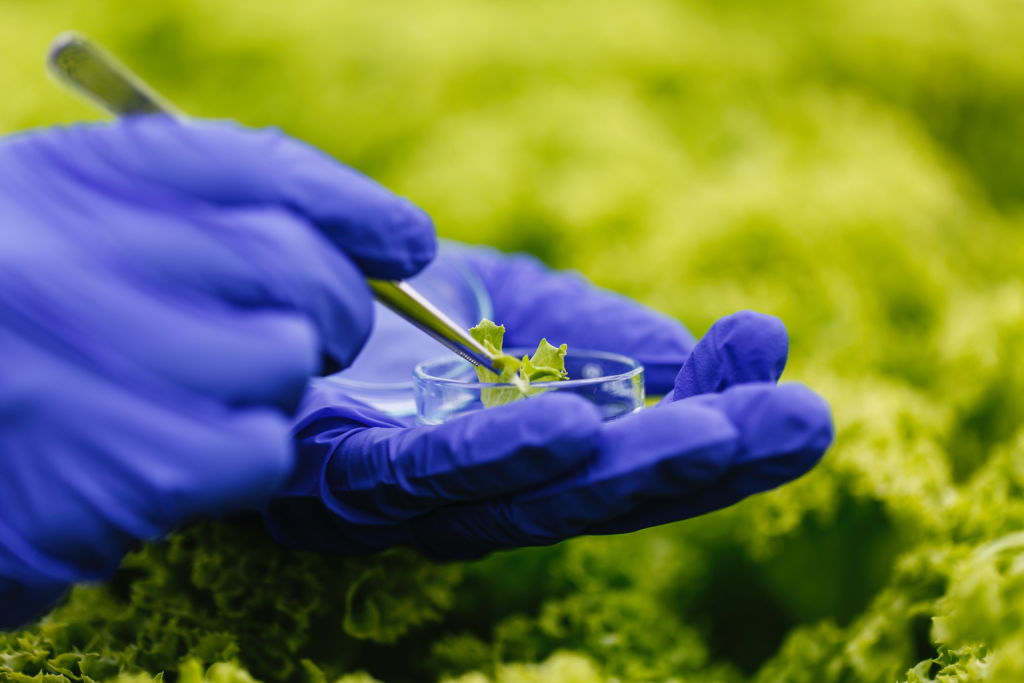
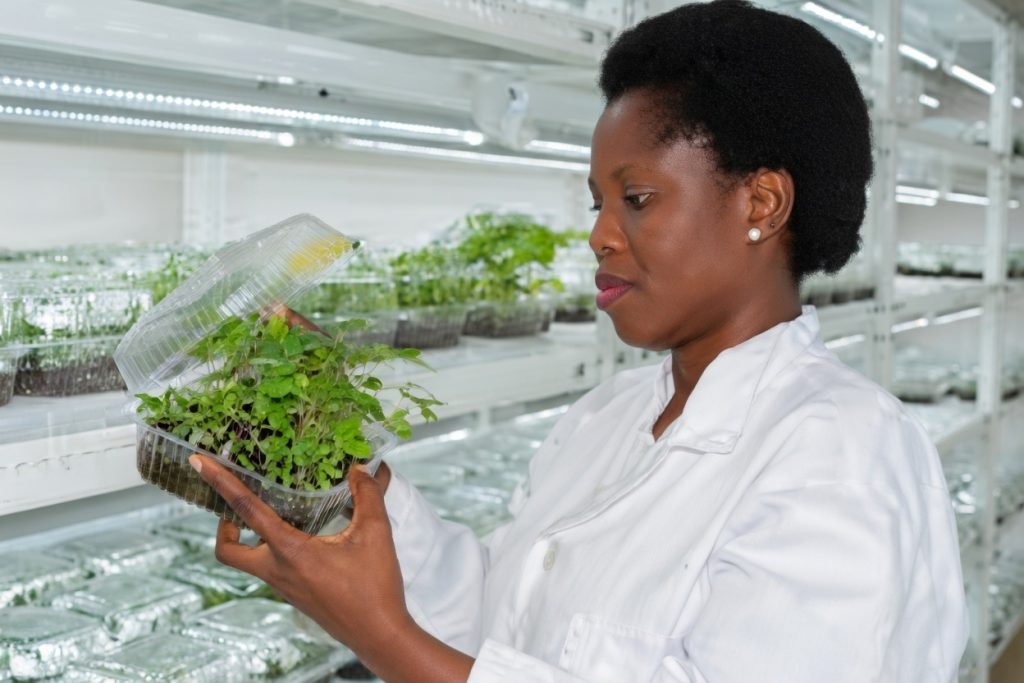
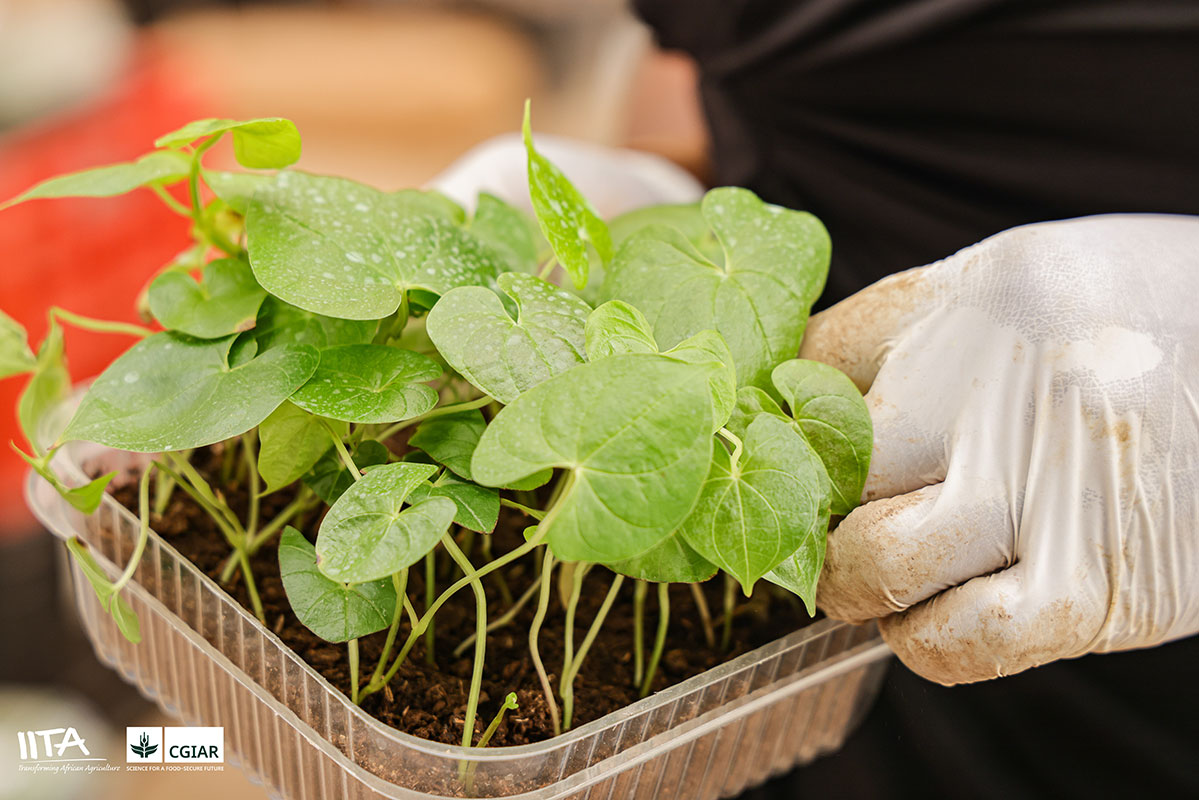
IITA deployed Semi-Autotrophic Hydroponic (SAH) technology in Bukemba to accelerate the multiplication of cassava planting materials. This innovative system enables rapid production of disease-free cassava seed, improving the availability of quality planting materials for farmers.
Cassava Variety Assessment
Seventeen cassava varieties resistant to Cassava Brown Streak Disease (CBSD) and Cassava Mosaic Disease (CMD) were introduced for evaluation. In addition, the in-vitro laboratory at ISABU in Gisozi was rehabilitated and equipped to strengthen cassava research and clean seed production.
Banana Varietal Assessment
Thirty-five high-yielding banana varieties resistant to Banana Xanthomonas Wilt (BXW) were introduced for testing and homologation. Quality planting materials have been transferred to ISABU for maintenance and further multiplication to support national banana production.
Banana Varietal Assessment
Thirty-five high-yielding banana varieties resistant to Banana Xanthomonas Wilt (BXW) were introduced for testing and homologation. Quality planting materials have been transferred to ISABU for maintenance and further multiplication to support national banana production.
IMPACT HIGHLIGHTS
is delivering measurable impact in Zambia through crop improvement, pest management, and seed system innovations. Working with national partners, research institutions, and development stakeholders, IITA translates research into practical solutions that enhance productivity, resilience, and livelihoods. The highlights below reflect key outcomes from decades of investment in agricultural research and development.
149:1
benefit–cost ratio achieved through cassava pest control
Biological control of cassava mealybug delivered one of the most successful pest management interventions, significantly improving cassava productivity.
Decades of cassava pest management innovations scaled
Sustained interventions against cassava mealybug and green mite have protected yields and strengthened food security for farming communities.
Improved cassava and legume varieties deployed
Farmers have gained access to higher-yielding and more resilient cassava, soybean, and cowpea varieties.
National seed systems strengthened for cassava and legumes
Efforts have improved the availability and accessibility of clean planting materials across farming systems.
Research infrastructure established and strengthened
Facilities such as the Chilanga pathology laboratory and Mansa cassava processing center have enhanced national research capacity.
Thousands of professionals and farmers trained
Capacity development initiatives have strengthened technical skills across research, extension, and farming communities.
PARTNERS
IITA Zambia collaborates with research institutions, development organisations, government agencies, and private sector actors.
- Zambia Agricultural Research Institute (ZARI)
- Ministry of Youth and Sports
- African Development Bank (AfDB)
- Bayer
Publications
Strategies for feeding tilapia in smallholder aquaculture systems: a study of aquaculture feed access and availability…
Disentangling climate and human drivers of land degradation in East and Southern Africa
Modelling the climate change adaptation potential of notillage maize systems in southern Africa
Related News
See all news

Why Climate Finance Must Tackle Food Loss and Waste
Every harvest season in Africa, food is lost or wasted at staggering levels. Nigeria loses 45% of its 3.9 million tons of tomato harvest each year to postharvest losses and supply chain inefficiencies.

Research and innovation key to Africa’s agricultural resilience – Dr Kwakwa
Agriculture remains one of Africa’s greatest opportunities for economic transformation. As countries navigate changing climate

Farmers drive soybean variety selection as IITA strengthens breeding efforts
Farmers in Zambia and Malawi are playing a central role in shaping the next generation
See all news
MEDIA/RESOURCES
Events
Explore key events and
engagements
Photos
Highlights from field activities and impact
Videos
Watch stories of innovation and transformation