
Food Utilization and Nutritional Lab
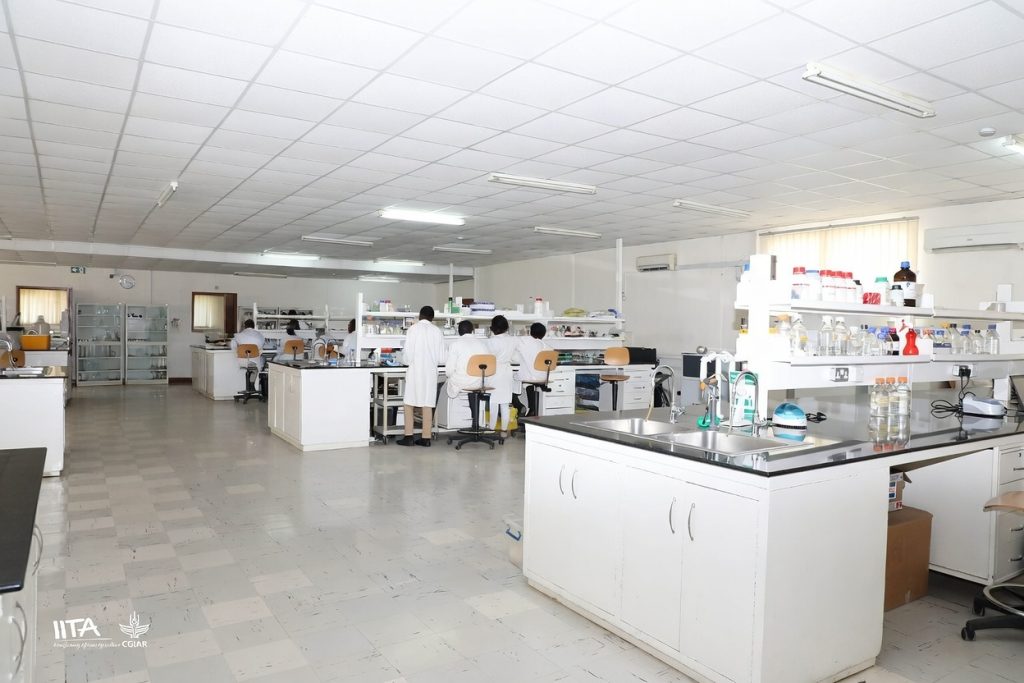
Food Utilization and Nutritional Lab – Ibadan, Nigeria
At the headquarters, the Food Utilization and Nutritional Laboratory leads research on how food crops are processed, used, and consumed, with a strong focus on improving nutrition outcomes, dietary quality, and food security across sub-Saharan Africa. The laboratory conducts nutrition studies, develops and tests innovative products from key African staples, and provides analytical and technical support to other IITA units and partners. This lab works at the intersection of food science, nutrition, and agricultural research, analyzing both the nutrient composition of food crops and the ways foods are prepared and consumed in different cultural contexts.
Core functions and activities
- Food composition analysis
- Measures nutrient content of staple and underutilized crops (e.g., protein, vitamins, minerals).
- Helps identify nutrient-rich varieties that can contribute to better diets and health outcomes.
- Food utilization and consumption studies
- Conducts surveys and research on how communities prepare, process, and consume foods.
- Looks at factors influencing dietary choices — including taste, aroma, texture, and cultural food preferences — to ensure adoption of nutritious varieties.
- Collaboration with breeders and other units
- Works with crop breeders to ensure that improved varieties are not only high-yielding but also nutritionally valuable and culturally accepted.
- This includes biofortification efforts (e.g., zinc, provitamin A biofortified crops) and focusing on indigenous foods.
- Nutrition-sensitive agriculture research
- Focuses on integrating nutritional goals into agricultural research rather than just productivity.
- The lab’s work informs nutrition interventions, policy planning, and food system strategies to improve diets and reduce “hidden hunger” (micronutrient deficiencies).
Training and capacity building
- Provides expertise to researchers, students, and partners on food analysis, dietary assessment, and nutrition policy.
- Supports evidence-based strategies that link agricultural production to health and nutrition outcomes.
Why it matters
- Ensuring that crop improvements translate into better diets — not just higher yields;
- Supporting biofortification and diversity in diets through science-based evidence;
- Helping shape food policy, nutrition programs, and community interventions that respond to real nutrient needs while respecting cultural food habits; and
- The Food Utilization and Nutritional Lab plays a strategic role in food systems research by:Providing critical data for addressing undernutrition and hidden hunger across sub-Saharan Africa.