

Rwanda
COUNTRY OVERVIEW
International Institute of Tropical Agriculture (IITA) has been active in Rwanda since the 1980s, collaborating closely with the Government of Rwanda and key partners to advance agricultural research, innovation, and capacity development.
Read more
Through partnerships with the Ministry of Agriculture and Animal Resources (MINAGRI), Rwanda Agriculture and Animal Resources Development (RAB), Rwanda Inspectorate, Competition and Consumer Protection Authority (RICA), academia, civil society, and the private sector, IITA has contributed to improving crop productivity, strengthening seed systems, and promoting climate-smart and nutrition-sensitive agriculture.
Guided by the IITA 2024–2030 Strategy, its work aligns with national priorities for sustainable, inclusive, and resilient food systems, supporting Rwanda’s agricultural development and food security objectives.
Location
Kigali
Kigali, Rwanda
IITA-Rwanda, Kacyiru, Urban Golf Peak Building. KG 548 ST, House #4 PO Box 1269 Kigali – Rwanda
Tel: +254 208654211, +250 788380555
Contacts
Matieyedou Konlambique
m.konlambique
Sandra Gatete
s.gatete@cgiar.org
FOCUS AREAS
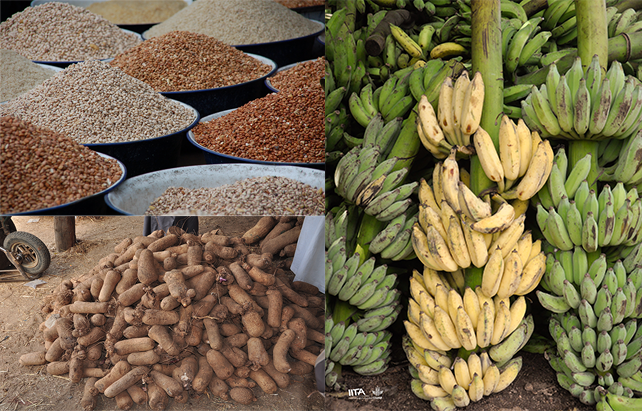
Improving productivity, resilience, and market value of Banana
IITA’s banana research focuses on developing high-yielding, pest- and disease-resistant varieties suited to East Africa. The program integrates advanced breeding, seed systems, and digital phenotyping to enhance food security, farmer incomes, and regional trade while safeguarding banana production against emerging threats such as Fusarium wilt and Banana Bunchy Top Disease.
Developing resilient cassava varieties and sustainable seed systems
Our cassava research targets the development of improved varieties with dual resistance to major diseases, enhanced nutritional quality, and farmer-preferred traits. IITA works closely with national and regional partners to accelerate breeding, deploy clean planting materials, and strengthen cassava seed systems for increased productivity and climate resilience.
Advancing climate-smart coffee systems for improved livelihoods
IITA supports sustainable coffee production through climate-smart agriculture, agroforestry, and digital advisory tools. Research emphasizes improved varieties, shade management, soil and water conservation, and decision-support technologies that help smallholder farmers adapt to climate variability while improving yields, quality, and incomes.
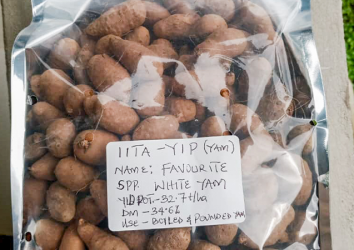
Enhancing yam productivity, quality, and resilience
Yam research focuses on improving varieties for higher yields, resistance to pests and diseases, and better post-harvest quality. Through breeding, agronomy, and seed system innovations, IITA contributes to strengthening yam value chains and ensuring food and income security for farming communities.
Leveraging digital innovations to transform agricultural systems
Our digital agriculture research integrates data-driven tools, mobile applications, and decision-support systems to improve farm management, extension delivery, and technology adoption. These innovations support farmers, extension agents, and policymakers with timely, location-specific information to enhance productivity, climate resilience, and impact at scale.
Featured Projects
- Location: Burundi, Democratic Republic of Congo, Ghana, Kenya, Nigeria, Rwanda, Tanzania, Uganda
- Location: Democratic Republic of Congo, Ethiopia, Rwanda
INNOVATION
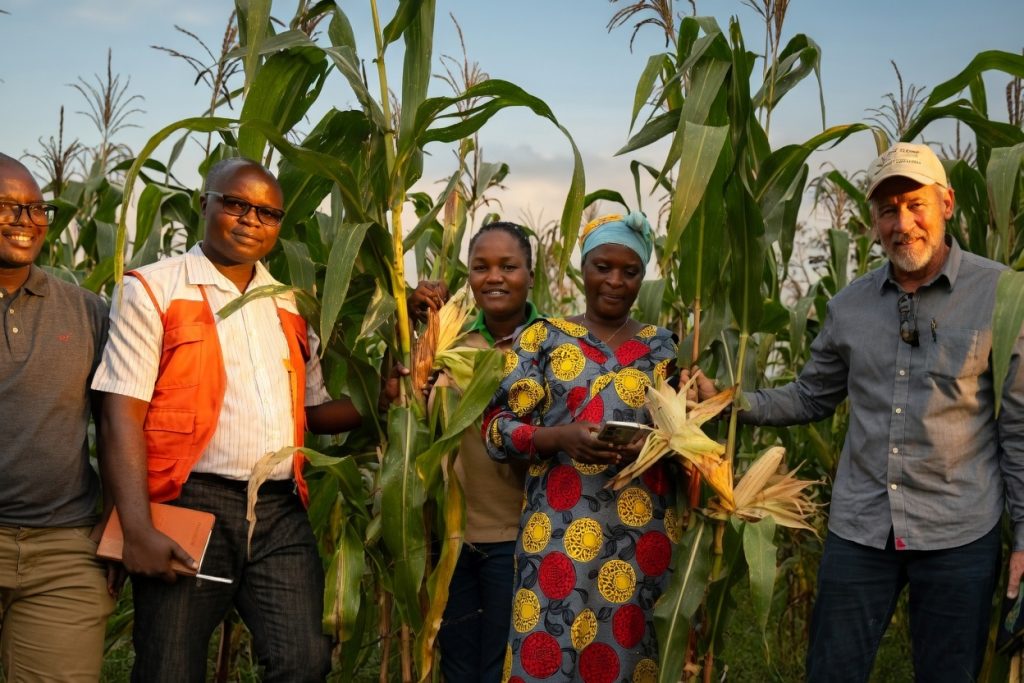
Hybrid Maize Seed Production
IITA supported the Institut des Sciences Agronomiques du Burundi (ISABU), SSG, and a local seed company to produce the first IITA-bred hybrid maize seeds in Burundi, including the variety AM1911-7 (M20-07/Ibadan) for the 2024/25 season. This milestone strengthens national seed systems and improves farmers’ access to high-performing maize varieties.
Banana Seed Multiplication
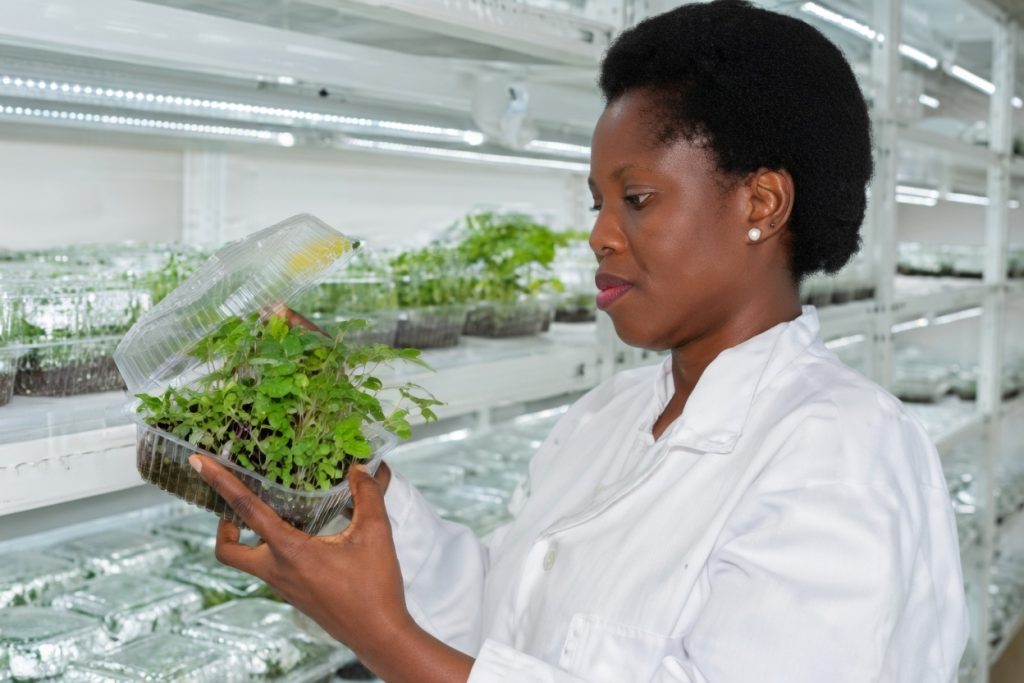
To improve access to clean banana planting materials, IITA introduced in-vitro propagation techniques through 13 propagation nurseries. The program also supported a private biotechnology company, Agrobiotec, to establish a viable in-vitro propagation system for large-scale seed multiplication.
Cassava Seed Multiplication
IITA deployed Semi-Autotrophic Hydroponic (SAH) technology in Bukemba to accelerate the multiplication of cassava planting materials. This innovative system enables rapid production of disease-free cassava seed, improving the availability of quality planting materials for farmers.
IMPACT HIGHLIGHTS
IITA delivers measurable impact in Rwanda through crop improvement, climate-smart agriculture, strengthened seed systems, and youth-focused agribusiness initiatives. Working closely with national and regional partners, IITA translates research into improved crop varieties, scalable agricultural technologies, and practical solutions that enhance productivity, resilience, and incomes for farmers and value-chain actors.
5,000+
farmers engaged in participatory crop testing
Farmers across 18 districts participated in the 1000Farms citizen-science initiative, helping test and identify climate-resilient crop varieties.
$10.9M
mobilized for research partnerships
Investments supported 12 PhD and 17 MSc students and produced 110+ scientific publications.
8,000
diet-quality responses collected monthly
The Live Food System Monitor gathers real-time data from households and markets to track food and nutrition trends.
200+
stakeholders trained in circular agriculture
Farmers, entrepreneurs, and local authorities gained skills in sustainable waste management and circular food systems.
8
circular-economy enterprises supported
Agribusinesses convert cassava waste and organic materials into animal feed and organic fertilizers, creating new income streams.
72,621
cassava seeds introduced for disease-resistant varieties
Improved cassava germplasm and 17 elite clones were introduced to strengthen breeding efforts against CBSD and CMD.
6
high-yielding soybean varieties released
New soybean varieties were introduced and tested, increasing adoption among participating farmers from 27% to 61%.
5,750
soil samples analyzed
Soil diagnostics and 839 field trials informed site-specific fertilizer recommendations for Rwanda’s priority crops.
266,000+
farmers reached with digital advisory
Mobile platforms, SMS alerts, and chatbots provide farmers with real-time guidance on banana production and disease management.
1,000+
farmers engaged in agroecology living labs
Farmers collaborate with researchers to test and scale sustainable and climate-smart farming practices.
PARTNERS
IITA Rwanda collaborates with national institutions, farmer organizations, development partners, and the private sector to strengthen seed systems, promote climate-smart agriculture, and support inclusive food systems.
- RAB
- MINAGRI
- Rwanda Inspectorate
- RICA
- AGRA
- One Acre Fund
- Imbaraga Farmers Association
- Ingabo Farmers Syndicate
- Africa Improved Food (AIF)
- BK Techouse
- I & J Harvest Ltd
- You & I Best Seed Ltd
- Akanoze Nyamiyaga Ltd
- MULIMECO Ltd
- Ikijumva One Stop Shop
- VIAMO
- COPED Ltd
Publications
IITA Rwanda
Booklet
A farm typology development cycle: From empirical development through validation, to large-scale organisational deployment
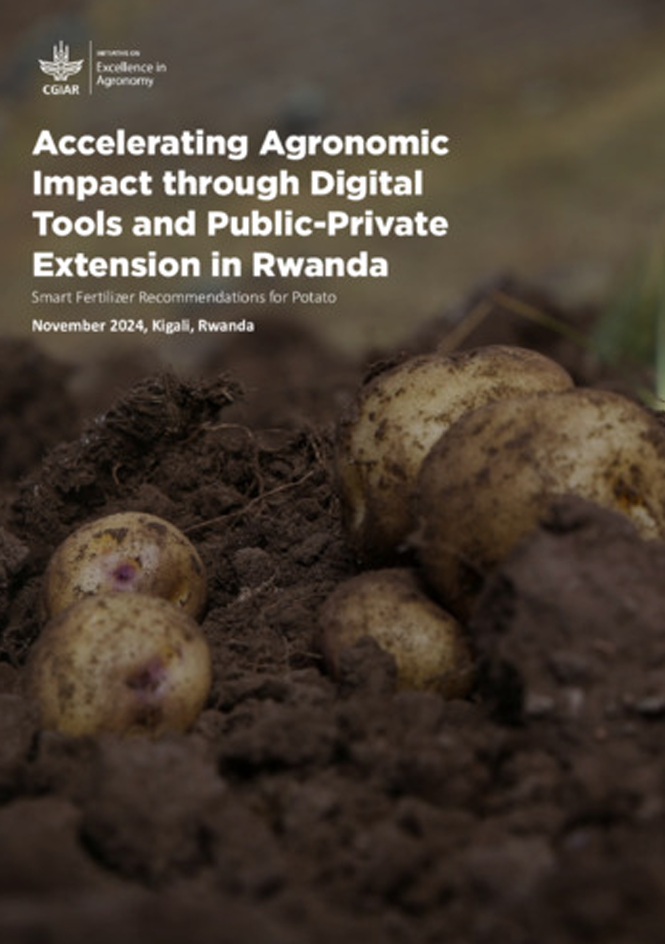
Accelerating agronomic impact through digital tools and public-private extension in Rwanda: smart fertilizer recommendations for potato
Related News
See all news

Why Climate Finance Must Tackle Food Loss and Waste
Every harvest season in Africa, food is lost or wasted at staggering levels. Nigeria loses 45% of its 3.9 million tons of tomato harvest each year to postharvest losses and supply chain inefficiencies.
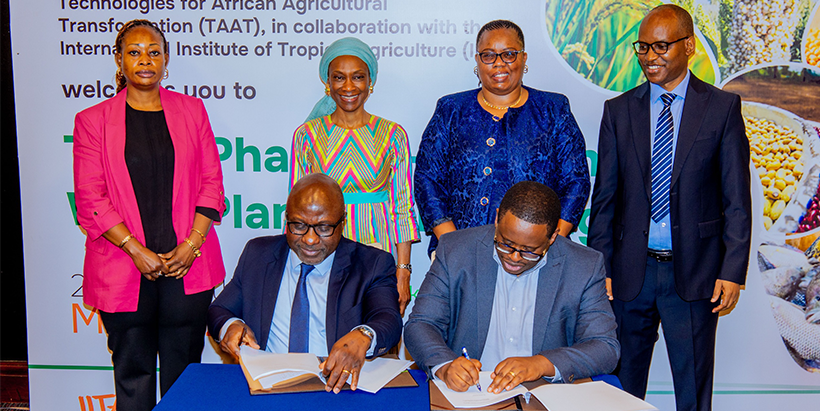
Rwanda and IITA strengthen partnership under TAAT Phase II
IITA-CGIAR has reinforced its leadership in Africa’s agricultural transformation with the signing of a Memorandum
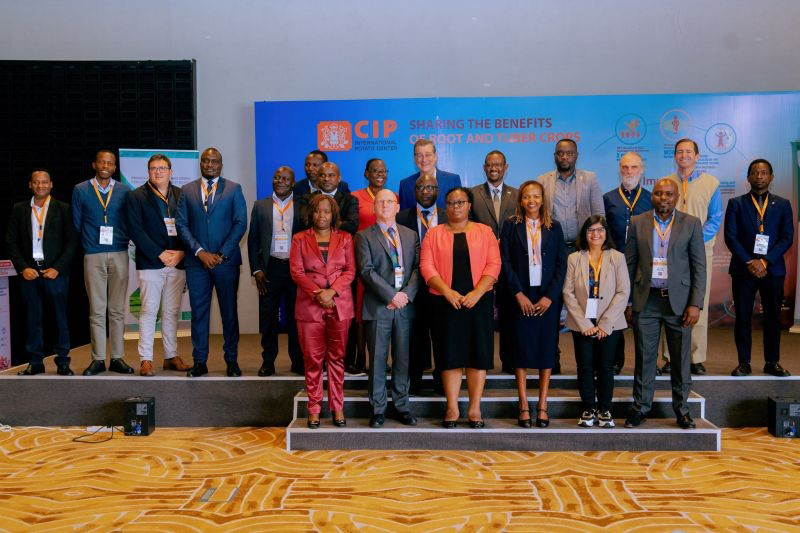
Rwanda launches BioCap project with IITA as key biotechnology partner
IITA-CGIAR joined national and international partners in Rwanda for the official launch of the Rwanda
See all news
MEDIA/RESOURCES
Events
Explore key events and
engagements
Photos
Highlights from field activities and impact
Videos
Watch stories of innovation and transformation