

CÔTE D’IVOIRE
Country Overview
works in Côte d’Ivoire to strengthen food systems, improve agricultural productivity, and support sustainable economic growth through research-for-development initiatives. In collaboration with government institutions, research organizations, and development partners, IITA promotes climate-smart agriculture, improved seed systems, and modern technologies to enhance resilience and livelihoods across agricultural value chains.
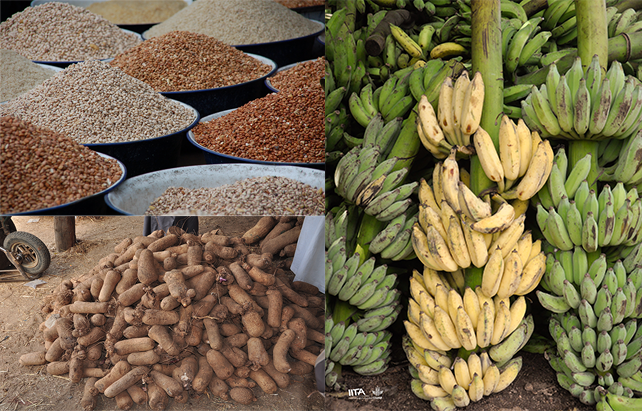
Our work focuses on key crops such as cassava, plantain, maize, soybean, yam, and cowpea, while supporting innovation, food security, and agribusiness development.
Prof Michael Abberton
Director, Western Africa Hub
M.Abberton@cgiar.org
FOCUS AREAS
Climate-Smart Agriculture and Sustainable Systems
Promoting climate-smart farming practices and resilient production systems to improve productivity and sustainability.
Crop Improvement and Seed Systems
Strengthening seed systems and deploying improved varieties of cassava, yam, maize, soybean, cowpea, and plantain.
Food Security and Technology Transfer
Scaling agricultural innovations and modern technologies to improve food production and rural livelihoods.
Coffee and Cocoa Value Chains
Supporting sustainable and resilient cocoa and coffee systems through research, food safety, and climate-smart solutions.
Capacity Development and Research Strengthening
Enhancing national research capacity and technical expertise through partnerships and institutional collaboration.
Featured Projects
- Location: Côte d’ivoire, Ethiopia, Kenya, Nigeria, Senegal, Sudan, Tanzania, Zambia, Zimbabwe
Innovations
Semi-Autotrophic Hydroponics (SAH) Technology
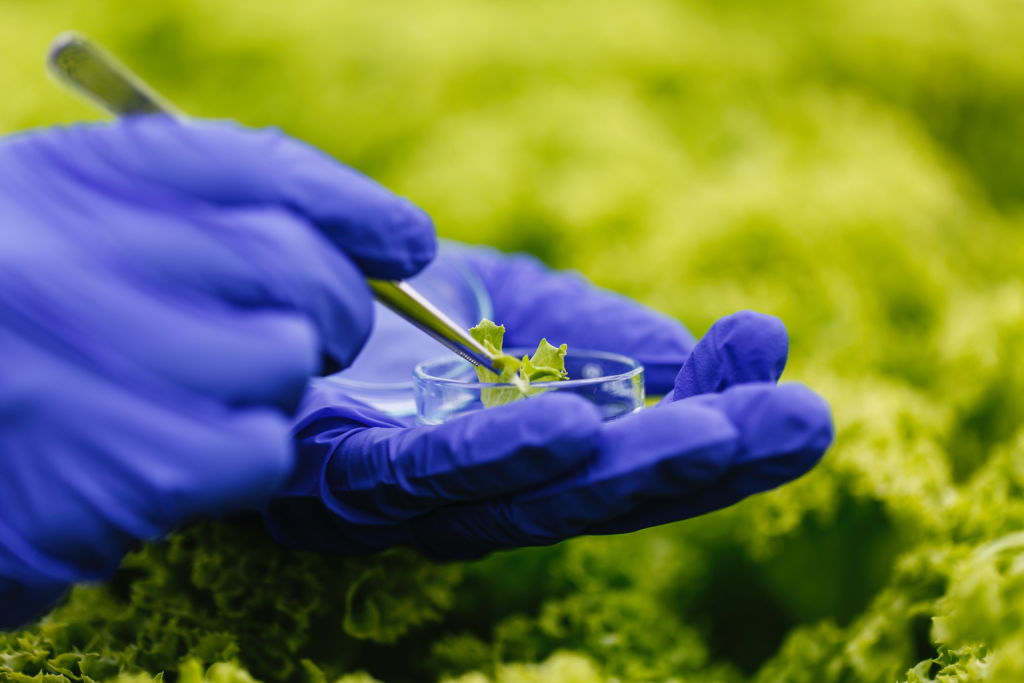
Deployment of SAH technology for the rapid multiplication of disease-free yam and cassava planting materials.
Aflatoxin Management Solutions
Aflasafe® is a biocontrol technology for aflatoxins management that uses harmless types of the fungus Aspergilus flavus which do not and cannot produce the toxins. The atoxigenic fungi are coated onto ordinary sorghum grain for transferring these innovative biocontrol agents to farmers’ fields.
IMPACT HIGHLIGHTS
IITA is delivering measurable impact in Côte d’Ivoire by strengthening agricultural value chains, advancing crop research, and promoting sustainable farming systems. Working closely with national institutions and development partners, IITA translates science into scalable solutions that enhance productivity, improve food and nutrition security, and create economic opportunities for farmers and agribusiness actors. This work contributes to national efforts to boost agricultural transformation, support key commodities such as cocoa and cassava, and build resilient, market-oriented food systems across the country.
Improved seed systems strengthening staple crop production
Enhanced seed systems and improved crop varieties are supporting higher productivity for cassava, yam, maize, soybean, and cowpea farmers.
Climate-smart innovations supporting cocoa and coffee systems
Collaborative initiatives are promoting sustainable practices and food safety solutions within key export value chains.
Rapid multiplication technologies improving access to clean planting materials
Semi-Autotrophic Hydroponics (SAH) technology is accelerating the production of disease-free cassava and yam planting materials.
Partners
IITA’s success in Côte d’Ivoire stems from collaborative efforts support the scaling of agricultural innovations that strengthen value chains, improve productivity, and enhance livelihoodsThese partnerships enable the translation of research into practical solutions that drive sustainable agricultural transformation.
- Ministry of Agriculture
- World Bank
- CNRA
- CERFAM
- FIRCA
- IFDC
- AfricaRice
- OCP Africa
Publications
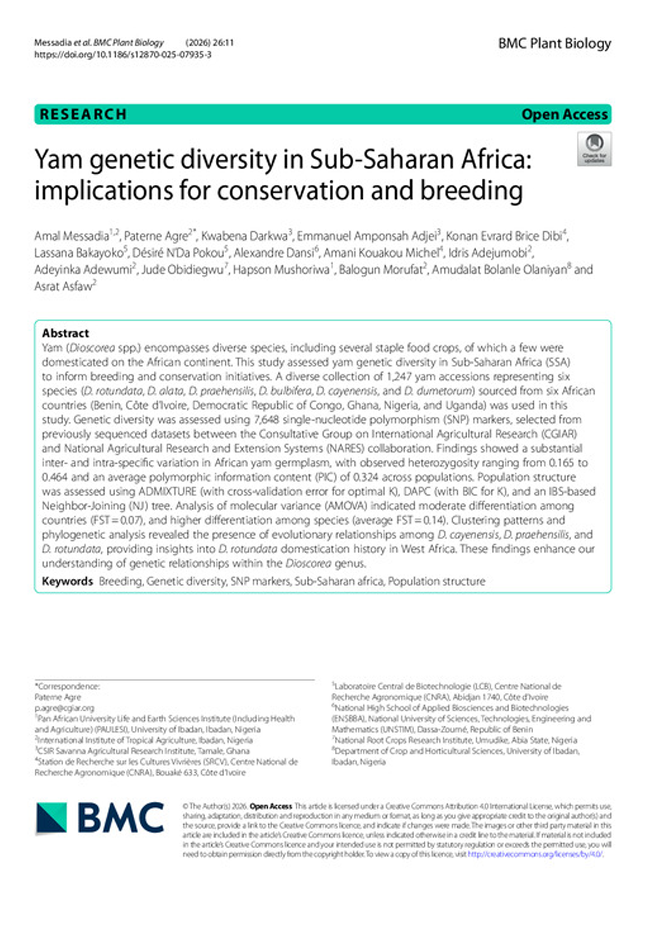
Yam genetic diversity in Sub-Saharan Africa: implications for conservation and breeding
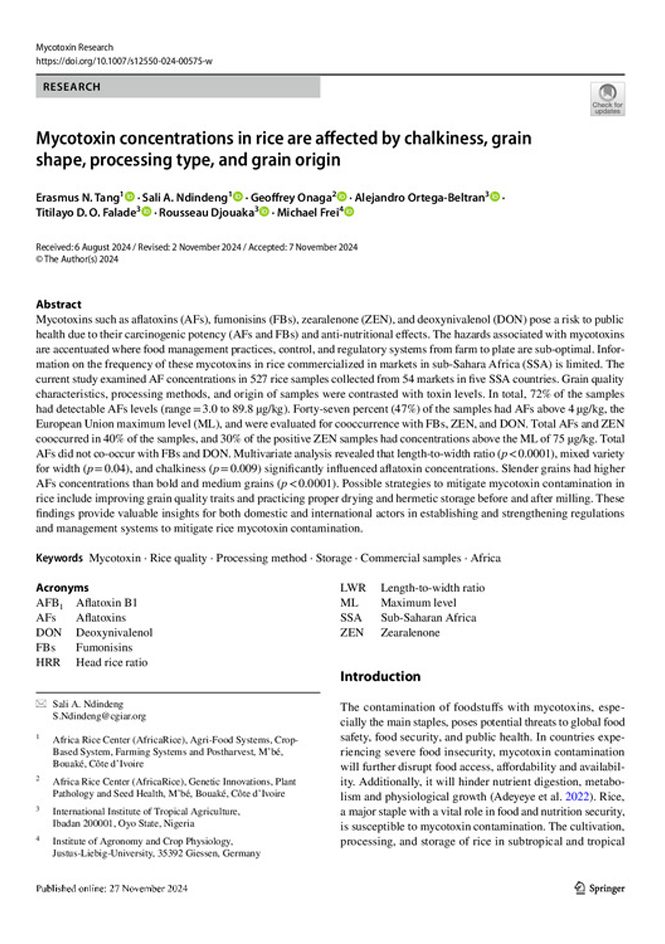
Mycotoxin concentrations in rice are affected by chalkiness, grain shape, processing type, and grain origin
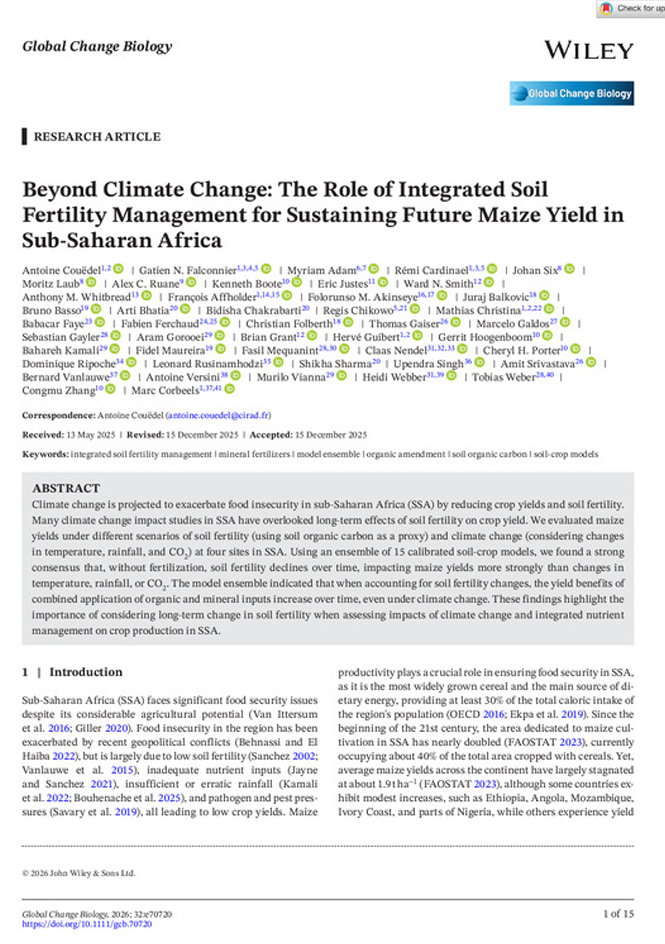
Beyond climate change: the role of integrated soil fertility management for sustaining future maize yield in Sub-Saharan Africa
Related News
See all news

Why Climate Finance Must Tackle Food Loss and Waste
Every harvest season in Africa, food is lost or wasted at staggering levels. Nigeria loses 45% of its 3.9 million tons of tomato harvest each year to postharvest losses and supply chain inefficiencies.
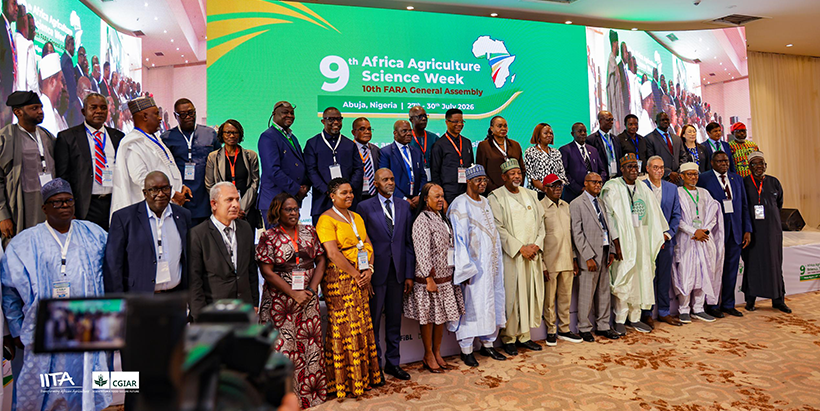
Africa’s agricultural future hinges on scaling proven innovations, leaders say at AASW9
Africa is not short of agricultural innovations. From climate-smart technologies and improved crop varieties to
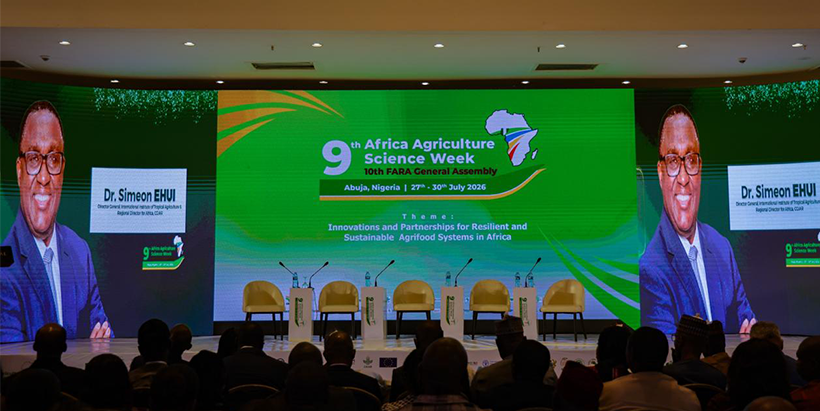
CGIAR Africa director calls for African-led innovation to transform agrifood systems at AASW9
Africa has the scientific talent, institutions and innovative capacity needed to transform its agrifood systems,
Media/Resources
Events
Explore key events and
engagements
Photos
Highlights from field activities and impact
Videos
Watch stories of innovation and transformation