Bridging the gender gap in maize breeding: A call for inclusive agricultural research in Nigeria
March 24, 2025
Maize is crucial to food security and economic sustainability in Nigeria and Africa. While improved maize varieties have the potential to boost agricultural productivity and profitability, their adoption is shaped by various social and economic factors. Recent studies emphasize the need for a gender-responsive approach to maize breeding to ensure that both women and men benefit equally from advancements in agricultural research.
A recent literature review by IITA–CGIAR scientists on maize breeding programs in Nigeria highlights a significant gap in addressing social norms that influence farmers’ preferences for specific maize traits and their access to improved seeds. A senior scientist and gender specialist, Steven Cole, who was part of the review team, proposed that despite ongoing efforts to incorporate gender equality into research, many breeding programs fail to fully consider gender-specific trait preferences, unintentionally reinforcing existing inequalities.
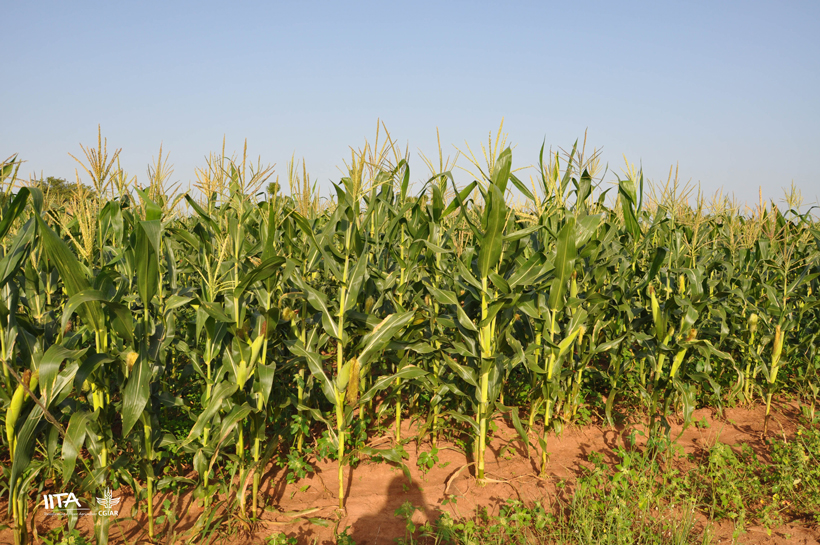
A well cultivated maize field in Nigeria.
Understanding gendered preferences in maize breeding
Research emphasizes that maize adoption is not solely a scientific process; it is influenced by gendered access to resources, decision-making power, and cultural preferences. Farmers’ indigenous knowledge and traditional practices play a crucial role in sustaining crop diversity, and integrating this expertise into breeding strategies could lead to more widely accepted maize varieties.
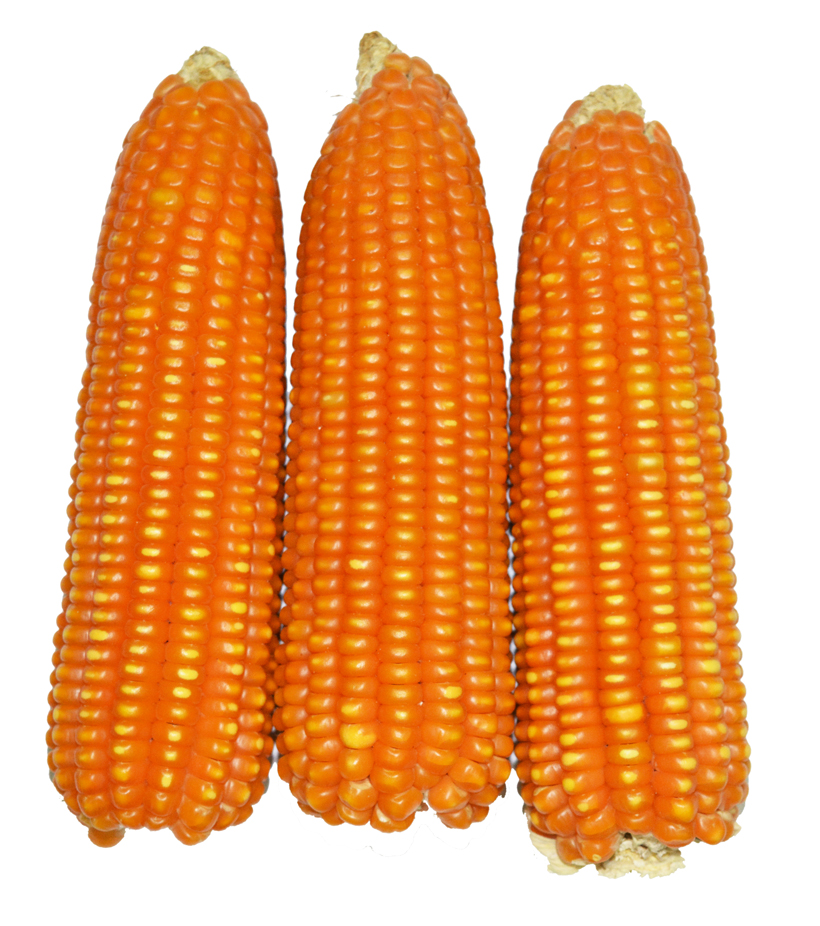
The review examined various studies on gendered maize preferences across Nigeria. Findings reveal distinct differences in trait preferences between men and women. Men generally favor traits such as large cobs, full grains, and high market value, while women prioritize yellow or nutrient-fortified seeds, high yield, and ease of processing. Young farmers, on the other hand, prefer early-maturing and low-input varieties. Despite these insights, many breeding programs assume trait preferences without directly engaging farmers—especially women—who are often excluded from decision-making processes.
Vitamin A Maize.
Key challenges in achieving gender-inclusive maize breeding
One of the major barriers to gender-inclusive maize breeding is the disconnection between research priorities and farmers’ real-world experiences. The review found that most studies focus on trait preferences or access to improved varieties but rarely consider both. Furthermore, women are frequently left out of training and extension services, limiting their knowledge of improved maize varieties and restricting their ability to benefit from them.
Recommendations for a more inclusive approach
To bridge these gaps, experts propose several key strategies:
Early farmer involvement: Researchers should engage men and women in the early stages of varietal development to ensure that final products meet diverse agricultural and household needs.
Integration of Indigenous knowledge: Collaboration between plant breeders and ethnobotanists can help incorporate traditional knowledge into breeding efforts, resulting in varieties better suited to farmers’ realities.
Cross-sector collaboration: Partnerships between breeding programs, social scientists, government agencies, and civil society organizations can address structural barriers that limit women’s access to improved maize varieties.
Improved training and resources: Programs should target enhancing women’s access to training, extension services, and credit facilities, empowering them to make informed decisions about maize production.
Inclusive seed distribution: Expanding access to quality seeds through targeted policies and inclusive dissemination campaigns can ensure that all farmers, regardless of gender, benefit from improved maize varieties.
The review team concluded that for Nigeria to maximize the benefits of maize breeding programs, it is essential to recognize and address gender disparities in agricultural research and extension services. By prioritizing gender-responsive approaches, policymakers and researchers can enhance food security, increase farm productivity, and drive economic growth for all maize farmers. As agriculture continues to evolve, ensuring equal participation in innovation and decision-making will be key to achieving sustainable development in the sector.
Contributed by Ochuwa Favour Daramola
Olamide Deborah Nwanze is a Senior Research Associate specializing in gender mainstreaming research to inform participatory and inclusive breeding, variety development, and seed systems policies regarding root, tuber, and banana (RTB) crops in the International Institute of Tropical Agriculture Headquarters, Ibadan, Nigeria. She is a PhD candidate at the University of Ibadan and holds an MSc and B. Agric in Agricultural Extension and Rural Development. Olamide is a fellow of the African Women in Agricultural Research and Development – Gender Responsive Agricultural Systems Policy (AWARD-GRASP) and the Gender Responsive Researchers Equipped for Agricultural Transformation (GREAT). She seeks to apply her gender-mainstreaming learnings, gender-responsive research, and policy development, and review expertise to facilitate women, youth, children, and vulnerable social group’s access to and adoption of agricultural Innovations that guarantee food, nutrition, income, and livelihood security in Africa. Her current roles include mentoring research fellows, development of guides and training manuals, implementation and adaptation of gender frameworks and tools, value chain actors’ engagement as citizen science partners, policy review and redesign, data management, and analysis. Her current research explores mixed methods and participatory and interdisciplinary approaches to capture and highlight gender dynamics, needs, preferences, and challenges stakeholders face within the agricultural livelihood value chain to prioritize gender-inclusive strategies in breeding programs, policy design, and implementation.
de Sousa, K., van Etten, J., Manners, R. Bello, A., Teeken, B., Olaosebikan, O., et al. 2024. The tricot approach: an agile framework for decentralized on-farm testing supported by citizen science. A retrospective. Agron. Sustain. Dev. 44, 8. https://doi.org/10.1007/s13593-023-00937-1
Madu, T., Onwuka, S., Nwafor, S., Onyemauwa, N., Ejechi, M., Ofoeze, M., Ukeje, B., Eluagu, C., Olaosebikan, O., Okoye, B., 2024. Gender-Inclusive Consumer Studies Improve Cassava Breeding in Nigeria in: Frontiers in Sociology, volume 9, number: 1224504, doi: 10.3389/fsoc.2024.1224504
Olaosebikan, O.; Bello, A.; Utoblo, O.; Okoye, B.; Olutegbe, N.; Garner, E.; Teeken, B.; Bryan, E.; Forsythe, L.; Cole, S.; Madu, T. 2023. Stressors and Resilience within the Cassava Value Chain in Nigeria: Preferred Cassava Variety Traits and Response Strategies of Men and Women to Inform Breeding. Sustainability 15, 7837. https://doi.org/10.3390/su15107837
Okoye, B., Ofoeze, M., Ejechi, M., Onwuka, S., Nwafor, S., Onyemauwa, N., Ukeje, B., Eluagu, C., Obidiegwu, J.*, Olaosebikan, O., Madu, T.* 2023. Prioritizing preferred traits in the yam value chain in Nigeria: a gender situation analysis in: Frontiers in Sociology, volume 8, number: 1232626, pages 1 – 9, ISSN 2297-7775, 2023. https://www.frontiersin.org/articles/10.3389/fsoc.2023.1232626/full
Olaosebikan, O., Bello, A. A., de Sousa, K., Ndjouenkeu, R., Adesokan, M., Alamu, E. O., Agbona, A., van Etten, J., Kegah, F. N.*, Dufour, D., Bouniol, A., Teeken, B. 2023. Consumer acceptability of cassava gari-eba food products across cultural and environmental settings using the triadic comparison of technologies approach (tricot) in: Journal of the Science of Food and Agriculture,
Teeken, B., Olaosebikan, O., Bello, A. A., Madu, T.*, Cole, S. M. 2023. Qualitative assessment on the positionality and preferences of dyads in relation to cassava-related activities: working with tricot trial citizen scientists https://hdl.handle.net/10568/138326 Type: Manual
Bouniol, A., Ceballos, H., Bello, A. A., Teeken, B., Olaosebikan, O., Owoade, D., Agbona, A., Fotso Kuate, A., Madu, T.*, Okoye, B.*, Ofoeze, M.*, Nwafor, S.*, Onyemauwa, N.*, Adinsi, L.*, Forsythe, L., Dufour, D. 2023. Varietal impact on women’s labour, workload and related drudgery in processing root, tuber and banana crops: focus on cassava in sub-Saharan Africa in: Journal of the Science of Food and Agriculture, pages 1 – 25, ISSN 0022-5142,
Bello, A. A., Agbona, A., Olaosebikan, O., Edughaen, G., Dufour, D., Bouniol, A., Iluebbey, P., Ndjouenkeu, R.*, Rabbi, I. Y., Teeken, B. 2023. Genetic and environmental effects on processing productivity and food product yield: drudgery of women’s work in: Journal of the Science of Food and Agriculture, pages 1 – 32, ISSN 0022-5142, 5
Cavicchioli, M., Zimbiti, T., Teeken, B., Nwanze, D.O., Liani, M., Parkes, E. & Bello, A. 2023. IITA-Gender Responsive Breeding Training Report. Genetic Resources Center, IITA-HQ, Ibadan, 21-23 September, 2022. Ibadan, Nigeria: IITA, (34 p.).https://hdl.handle.net/10568/131368
Agbona, A. Peteti P., Teeken B., Olaosebikan O. Bello, A. A., Parkes, E., Rabbi, I. Y., Mueller, L., Egesi, C., Kulakow, P. 2022. Data Management in Multi-disciplinary African RTB Crop Breeding Programs. In: Williamson, H.F., Leonelli, S. (eds) Towards Responsible Plant Data Linkage: Data Challenges for Agricultural Research and Development. Springer, Cham. https://doi.org/10.1007/978-3-031-13276-6_5
Lora Forsythe, Pricilla Marimo, Sarah Mayanja, Olamide D. Olaosebikan, Esme Stuart, Bela Teeken, Benjamin Okoye, Tessy Madu, (2021). Cross-product Gender Analysis of RTBfoods Step 2 Gendered Food Mapping on RTB Products. Understanding the Drivers of Trait Preferences and the Development of Multi-user RTB Product Profiles, WP1. London, UK: RTBfoods Field Scientific Report, 30 p.
Teeken, B., Garner, E., Agbona, A., Balogun, I., Olaosebikan, O., Bello, A., Madu, T., Okoye, B., Egesi, C., Kulakow, P. and Tufan, H.A. 2021. Beyond “Women’s Traits”: Exploring How Gender, Social Difference, and Household Characteristics Influence Trait Preferences. Frontiers Sustainable Food Systems 5:740926. https://doi.org/10.3389/fsufs.2021.740926
Teeken, B., Agbona, A., Bello, A., Olaosebikan, O., Alamu, E., Adesokan, M., Awoyale, W., Madu, T., Okoye, B., Chijioke, U., Owoade, D., Okoro, M., Bouniol, A., Dufour, D., Hershey, C., Rabbi, I., Maziya‐Dixon, B., Egesi, C., Tufan, H. and Kulakow, P. (020. Understanding cassava varietal preferences through pairwise ranking of gari‐eba and fufu prepared by local farmer–processors. Int J Food Sci Technol.https://doi.org/10.1111/ijfs.14862
Bela Teeken, Olamide Olaosebikan, Ireti Balogun, Benjamin Okoye, Tessy Madu, Steven Cole, Abolore Bello, Elizabeth Parkes. (2020). Piloting the G+ customer and product profile tools for gender-responsive cassava breeding in Nigeria. Nigeria: International Institute of Tropical Agriculture (IITA). https://hdl.handle.net/20.500.11766/13000