Kenya
Country Overview
The International Institute of Tropical Agriculture (IITA) has a strong, longstanding presence in Kenya, a premier research organization dedicated to generating agricultural innovations. IITA’s work in Kenya addresses critical challenges, including hunger, malnutrition, poverty, and degradation of natural resources, across Africa.
Read more
Our Kenyan office, located in Nairobi and hosted by International Livestock Research Institute (ILRI) and International Centre of Insect Physiology and Ecology (icipe), delivers science-based solutions and fosters collaboration to promote inclusive growth and improved livelihoods. IITA’s work in Kenya directly supports the Fourth Medium Term Plan (MTP IV) 2023-2027 and the Bottom-Up Economic Transformation Agenda (BETA).
Location
Nairobi
Nairobi, Kenya
ITA-Kenya, Old Naivasha Rd, ILRI Campus, PO Box 30709-00100, Nairobi, Kenya
Tel: +254 20 422 3350 or +254711033350
Contacts
Dr Leena Tripathi
L.tripathi@cgiar.org
Susan Karonga
s.karonga@cgiar.org
FOCUS AREAS
Agronomy and Sustainable Farming Practices
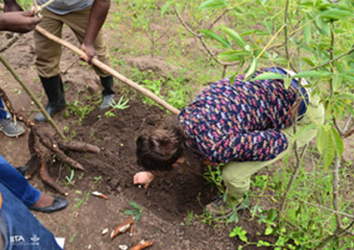
Supported by the CGIAR Sustainable Farming Program, this emphasises the adoption of sustainable agronomic techniques to boost productivity while ensuring soil health. This involves practical demonstrations of efficient farming practices, offering evidence-based fertilizer guidelines, and setting up long-term experiments to monitor soil conditions.
Combating Aflatoxin Contamination
Recognizing the severe health risks posed by aflatoxin contamination, the initiative prioritizes efforts aimed at reducing its prevalence. These efforts not only protect public health but also enhance the quality of agricultural products, thus improving trade opportunities for farmers.
Leveraging Biotechnology and Genome Editing
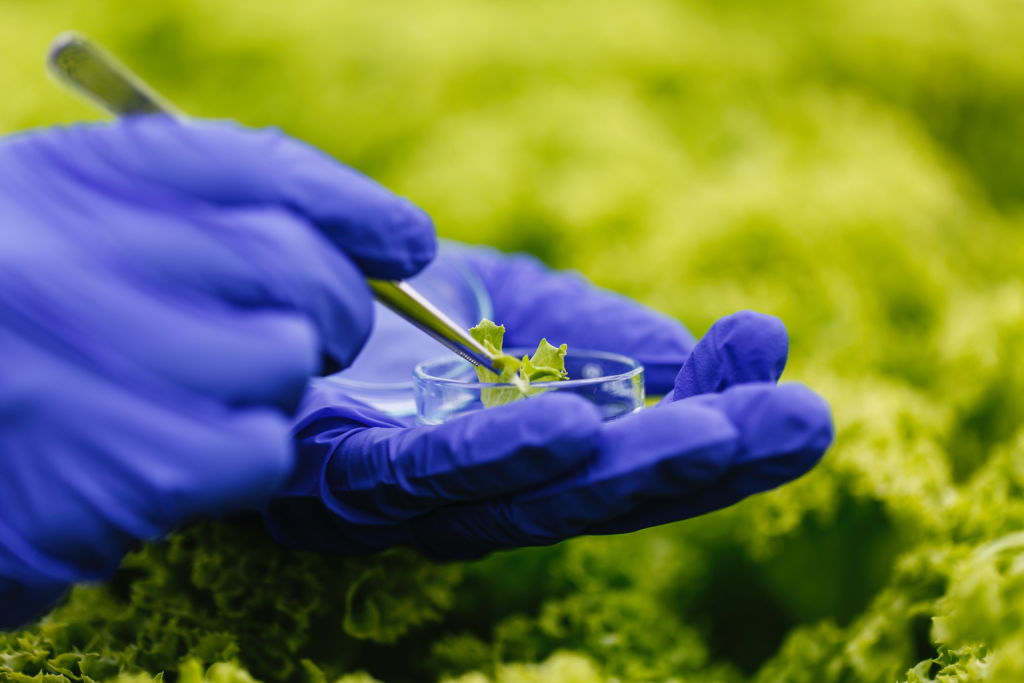
The research team is utilizing advanced biotechnological tools and genome editing techniques to develop resilient crop varieties. Such innovations are critical for creating crops that can effectively withstand various agricultural challenges, including pests, diseases, and climate change effects.
Breeding for Improved Varieties
The initiative prioritizes specialized breeding programs geared towards key crops, such as soybean. These programs are designed to enhance the quality and productivity of these crops, addressing both economic and nutritional needs within local communities.
Strengthening Value Chains and Providing Quality Inputs
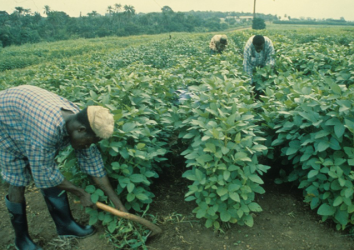
To empower farmers and bolster the agricultural sector, initiatives are being implemented to enhance the supply chain. This includes ensuring the availability of high-quality inputs, with a particular emphasis on soybean production, which is crucial for local and regional markets.
Conducting Extensive Field Research
Ongoing research activities are being conducted across various counties in Kenya. These efforts aim to collect valuable data and insights that will inform best practices, shape policies, and ultimately lead to a more robust agricultural sector capable of meeting the demands of the future.
Featured Projects
- Location: Burundi, Democratic Republic of Congo, Ghana, Kenya, Nigeria, Rwanda, Tanzania, Uganda
- Location: Côte d’ivoire, Ethiopia, Kenya, Nigeria, Senegal, Sudan, Tanzania, Zambia, Zimbabwe
- Location: Benin, Cameroon, Democratic Republic of Congo, Gambia, Kenya, Malawi
- Location: Benin, Ethiopia, Ghana, Kenya, Malawi, Mali, Nigeria, Tanzania, Uganda, Zambia
Innovations
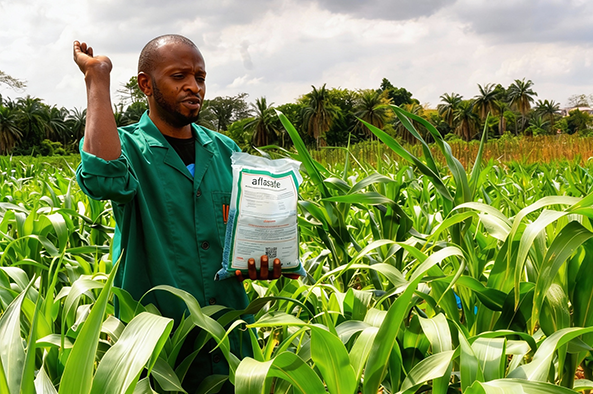
Aflasafe KE01
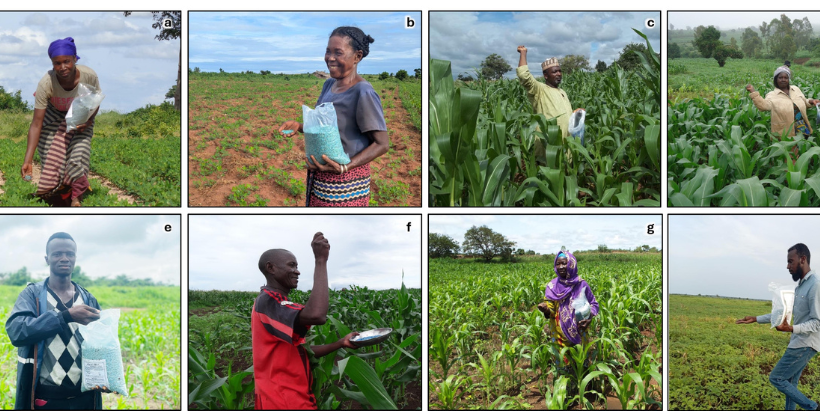
A scientifically proven, cost-effective biological product developed to significantly reduce aflatoxin contamination in staple crops. Aflasafe KE01 improves food safety, protects consumer health, and enables farmers to meet national and international market standards.
Evidence-Based Fertilizer Recommendations
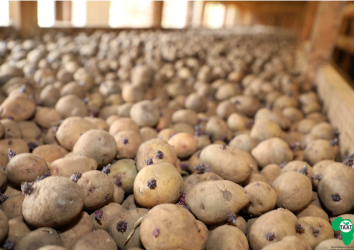
Crop- and location-specific fertilizer recommendations for maize, rice, wheat, and potatoes. These evidence-based guidelines improve nutrient use efficiency, reduce input costs, and promote environmentally sustainable crop production.
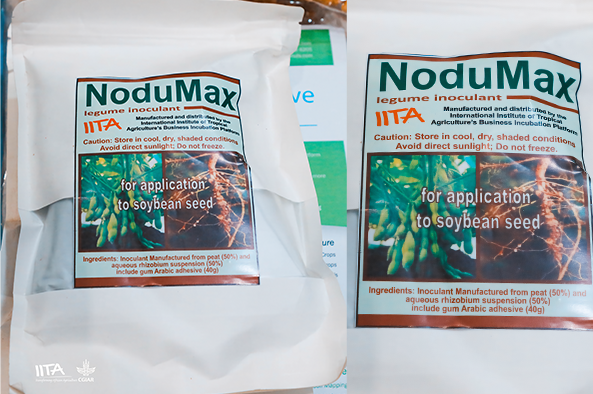
Biofix Inoculant Promotion
Promotion and adoption of Biofix inoculants as a critical input for soybean production. Biofix enhances biological nitrogen fixation, improves soil fertility, and increases soybean yields while reducing reliance on synthetic fertilizers.
IMPACT HIGHLIGHTS
IITA works with national partners, the private sector, and farming communities to deliver measurable impact in Kenya’s agri-food systems. Through research, innovation, and capacity development, our work supports safer food, improved crop productivity, healthier soils, stronger value chains, and informed decision-making. The impact highlights below present key results across priority areas.
300
researchers trained in advanced breeding
Capacity built in genome editing, including 18 PhD and 13 MSc students; 78 postgraduates supervised and 55 MSc students trained through NemAfrica.
1
aflatoxin biocontrol product scaled
Elite IITA germplasm enabled 2 new releases with NARO, 10+ earlier releases, and new varieties across Tanzania, Rwanda, Kenya, and Burundi.
High-yield, stress-tolerant crops promoted
IITA supported the establishment of NARO’s banana breeding program, now marking 30 years of sustained investment in national and regional research capacity.
Stronger soybean value chains enabled
Farmers supported with quality inputs, market access, and agro-processing opportunities, driving inclusive economic growth.
Soil health science informing policy and practice
Long-Term Experiments (LTEs) and the Global Acidic Soils Innovation Alliance (GAIA) generate scalable data to guide sustainable agriculture decisions.
Partners
IITA’s success in Kenya stems from strong partnerships with diverse organizations, allowing it to leverage local expertise and impact. This collaboration facilitates the testing and scaling of improved crop varieties, soil health interventions, and aflatoxin control throughout various counties.
- KALRO
- Ministry of Agriculture, Livestock, and Fisheries
- KEPHIS
- Natonal Irrigation Board
- TNC
- Sustain Africa
- ICIPE
- Alliance of Bioversity International and CIAT
- PETS
- University of Nairobi
- Kenyatta University
- Kenya Bureau of Standards
- NGOs
- Private sector firms
- Farmers’ organizations
- Koppert Biologicals
- Alliance for Science
- Nairobi County Government
- JKUAT
- CGIAR (as a network)
Publications
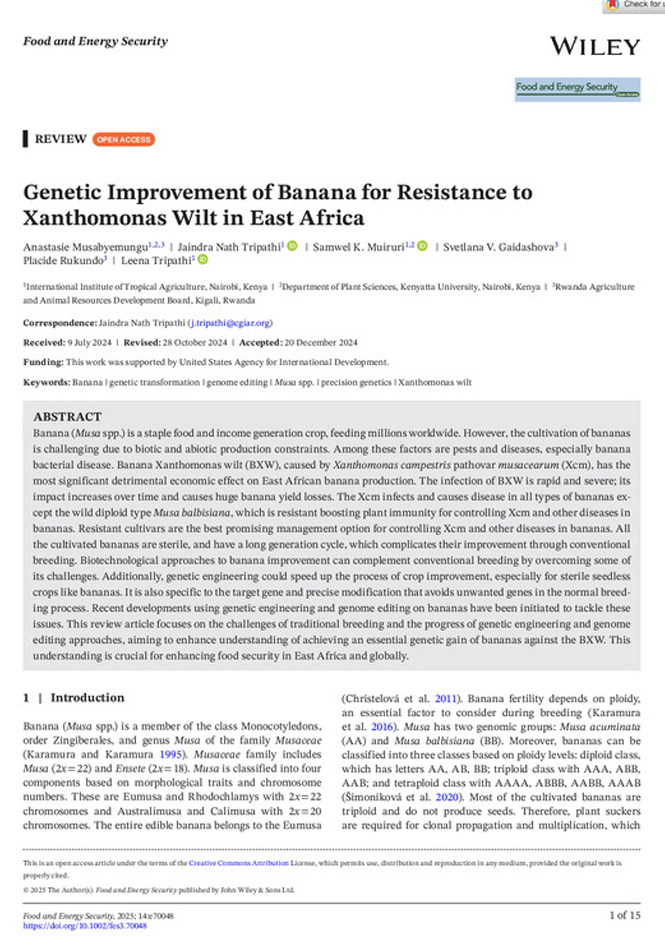
Genetic improvement of banana for resistance to xanthomonas wilt in East Africa
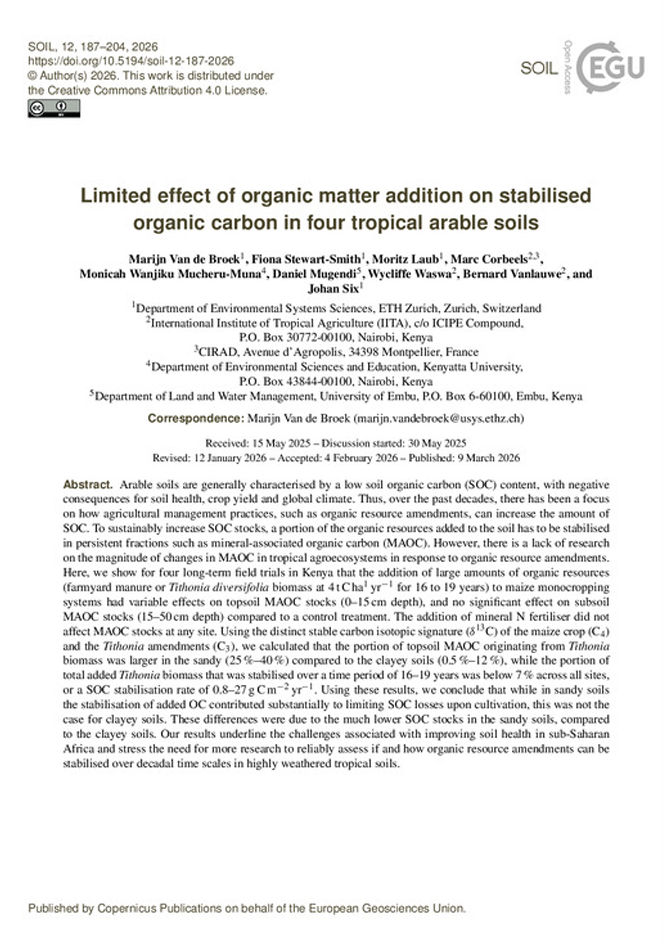
Limited effect of organic matter addition on stabilised organic carbon…
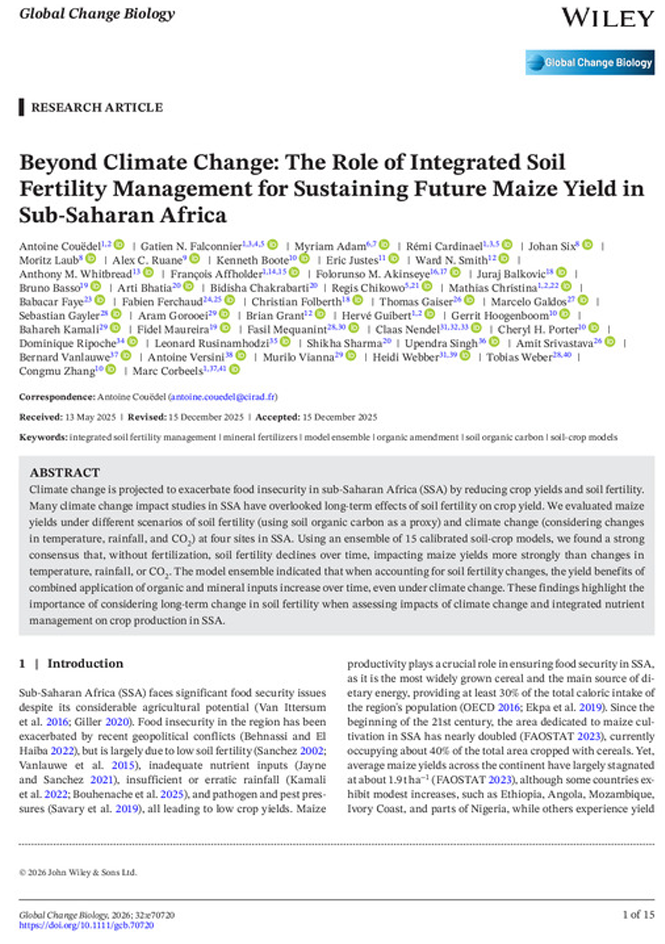
Beyond climate change: the role of integrated soil fertility management…
Related News
See all news

Why Climate Finance Must Tackle Food Loss and Waste
Every harvest season in Africa, food is lost or wasted at staggering levels. Nigeria loses 45% of its 3.9 million tons of tomato harvest each year to postharvest losses and supply chain inefficiencies.

Kenya clears path for field trials of gene-edited banana
Landmark decision recognizes non-GMO status of gene-edited banana events

High-quality chromosome-level genome of the white star apple (Gambeya albida)
In a recent collaboration, Inqaba Biotec, Malimbe Foundation, the African BioGenome Project (AfricaBP), and IITA
Media/Resources
Events
Explore key events and
engagements
Photos
Highlights from field activities and impact
Videos
Watch stories of innovation and transformation