
A new study has revealed that transforming discriminatory gender norms is critical to strengthening women’s economic resilience to climate change in Nigeria’s agrifood systems.
Using case studies from the cassava, catfish, and chicken sectors in Ogun and Oyo states, the research demonstrates that deeply rooted gender norms continue to shape women’s access to resources, decision-making power, and ability to adapt to climate-related shocks. The findings emphasize that achieving sustainable climate resilience requires more than technical interventions; it demands changes in the social and institutional structures that perpetuate gender inequality.
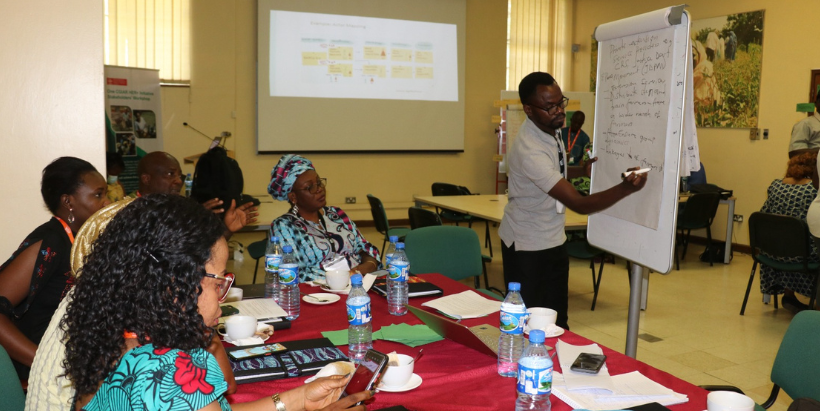
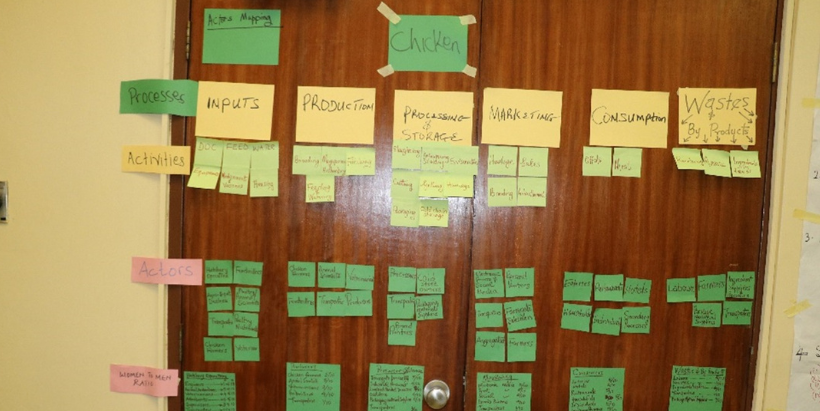
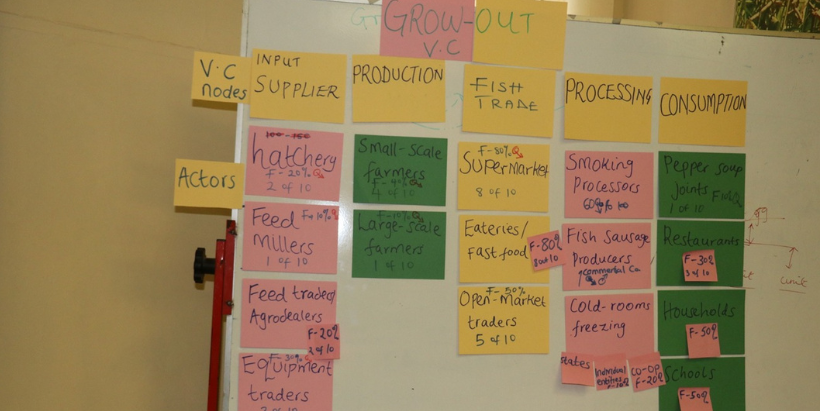
The study draws on evidence from stakeholder workshops, 55 individual and key informant interviews, and 18 sex-disaggregated focus group discussions involving actors across the three agrifood systems. Researchers, including IITA Postdoctoral Gender Research Fellow Olajumoke Adeyeye, led by WorldFish CRIHDev Senior Scientist Netsayi Noris Mudege, also developed a gender-sensitive resilience framework that combines resilience theory with gender-transformative approaches to examine how gender norms influence adaptive capacity and economic resilience.
The findings show that climate shocks affect both men and women, but women are disproportionately disadvantaged because of unequal access to critical resources such as land, finance, and productive assets. While men are generally able to make long-term strategic investments to recover from climate impacts, women are often limited to short-term coping strategies that do little to strengthen their long-term resilience.
According to the study, these disparities are reinforced by social institutions, including households, communities, organizations, and broader policy environments, that are shaped by informal gender norms. Men are frequently regarded as household heads, providers, and decision-makers, which gives them greater control over productive resources and limits women’s participation in decisions affecting livelihoods and climate adaptation.
Rather than examining individual agricultural value chains, the study adopts an agrifood systems approach, providing a broader understanding of how gender relations influence resilience across interconnected production systems. This perspective also introduces a gender transformative lens, highlighting the importance of addressing unequal power relations alongside economic and environmental challenges.
The research identifies three key areas shaping women’s resilience: the exposure of agrifood systems to climate shocks, gendered differences in vulnerability to economic losses, and the influence of gender norms on women’s adaptive capacities.
The study concludes that discriminatory gender norms significantly constrain women’s ability to build economic resilience. Addressing these barriers requires comprehensive, multi-level interventions that challenge restrictive social norms while strengthening women’s access to resources, leadership opportunities, and decision-making spaces.
The researchers recommend integrating gender-transformative agricultural policies into climate adaptation programs to promote women’s equal and meaningful participation at the household, community, organizational, and national levels. They also stress the importance of engaging both women and men in transforming harmful gender norms and fostering more equitable power relations.
Ultimately, the study illustrates that building resilient agrifood systems in the face of climate change depends on creating environments where women have equal opportunities to access resources, exercise strategic agency, and contribute fully to sustainable agricultural development. By transforming gender norms and strengthening supportive institutions, communities can enhance women’s adaptive capacities while improving resilience across Nigeria’s agrifood systems.
Contributed by
Ochuwa Favour Daramola