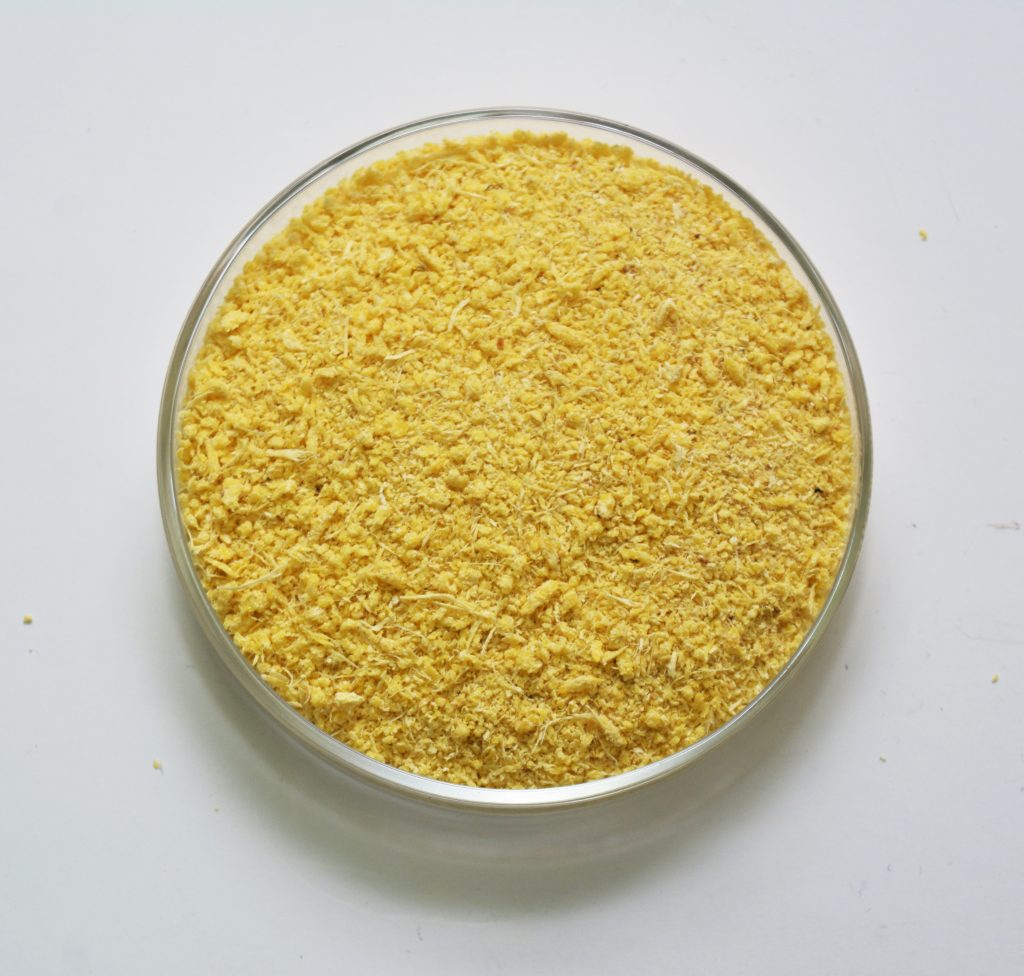
Biofortified cassava: Researchers call for gender-responsive strategies to improve food and nutrition security and reduce poverty in Nigeria
Market demand is a key driver of the production of biofortified cassava for male adopters and farmers.

Market demand is a key driver of the production of biofortified cassava for male adopters and farmers.
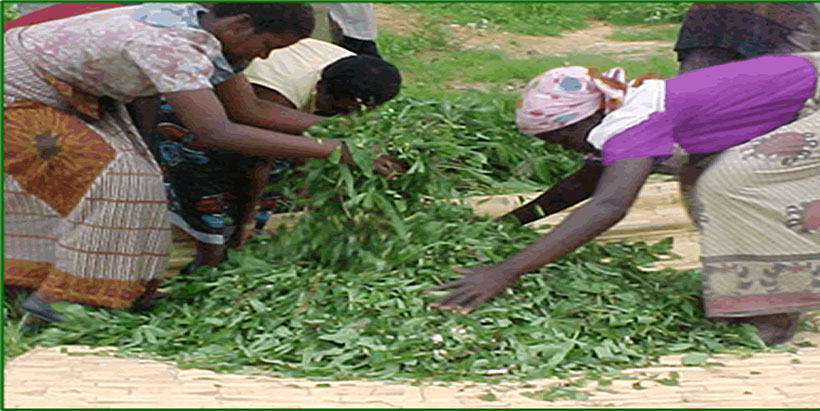
Natural pastures and crop residues are used as livestock feed in the dry season for dairy animals. However, dairy production in Malawi is constrained by energy and protein deficiencies due to a high dependency on these natural pastures.

At the end of 2020, IITA’s cassava breeders collaborated with their research partners and released five new varieties. Their names, indicating their attributes to farmers, processors, and consumers, are Game-Changer, Hope, Obasanjo-2, Baba-70, and Poundable.
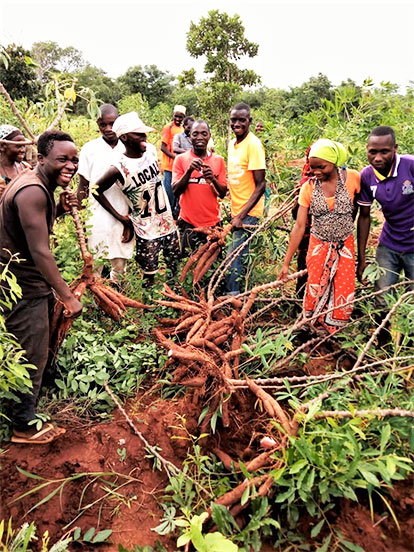
IITA has commenced a new phase of the African Cassava Agronomy Initiative (ACAI) project to increase the availability of appropriate and affordable technologies to sustainably improve cassava productivity in sub-Saharan Africa.

A member of the Next Generation Cassava Breeding Project (NextGen Cassava), Moshood Agba Bakare, has been awarded the Cornell Africa Fund Fellowship for his PhD program at Cornell University.
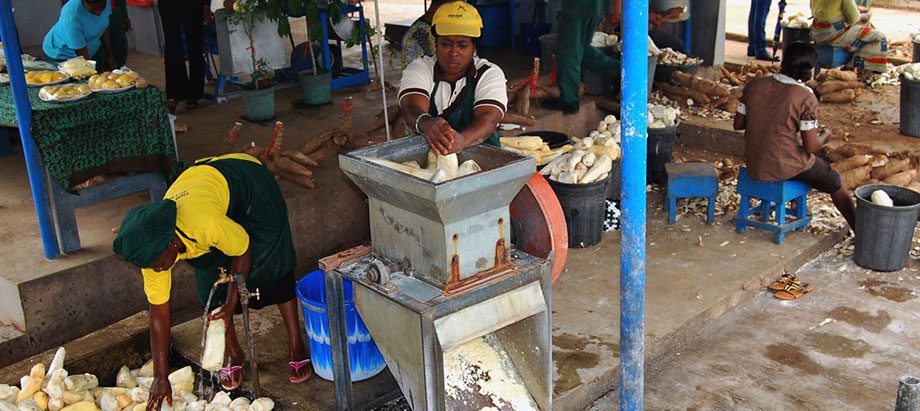
To facilitate agricultural solutions to overcome hunger and poverty in Nigeria and Togo, IITA, in partnership with AfricaRice, is implementing the “Agricultural transformation in Nigerian federal states and Togolese regions towards achieving Zero Hunger” project.
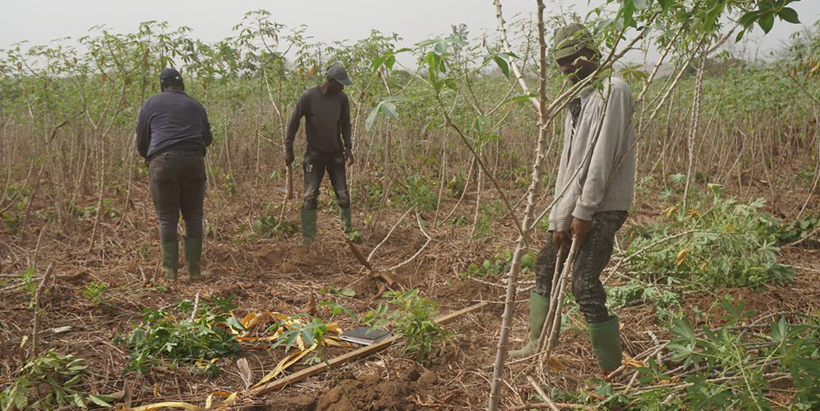
The outgrower farmers of Psaltry International Limited (PIL) have started experiencing the positive impact of the AKILIMO tools from the African Cassava Agronomy Initiative (ACAI)
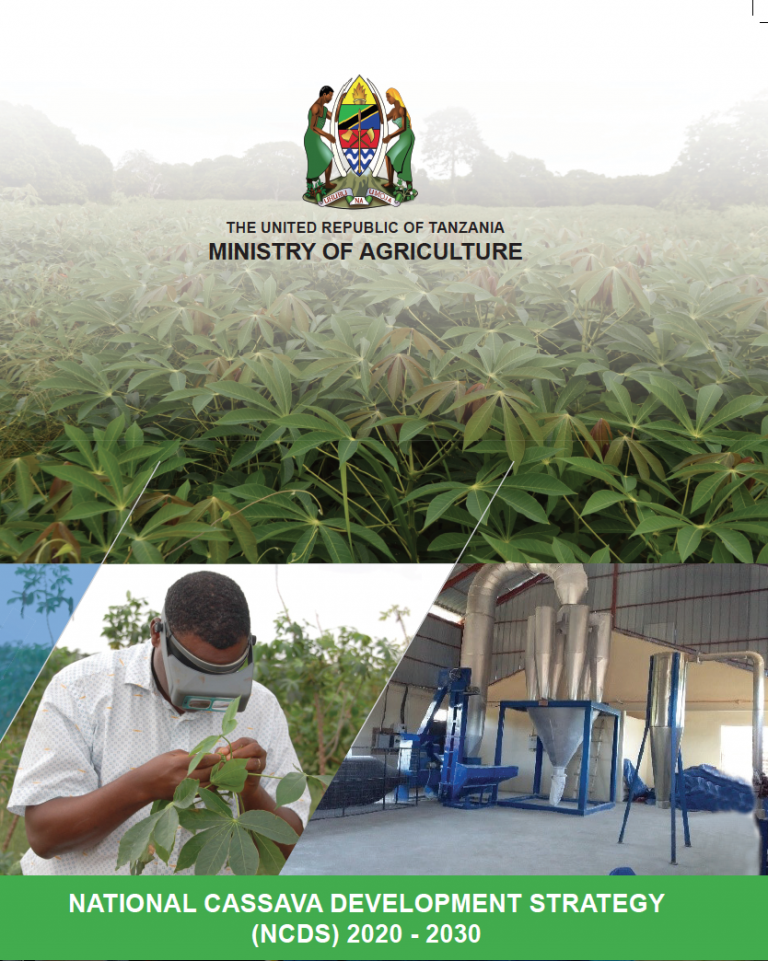
IITA-Tanzania has handed over to the Ministry of Agriculture 2000 copies of the National Cassava Development Strategy, a roadmap to guide cassava commercialization and industrialization initiatives in the country.
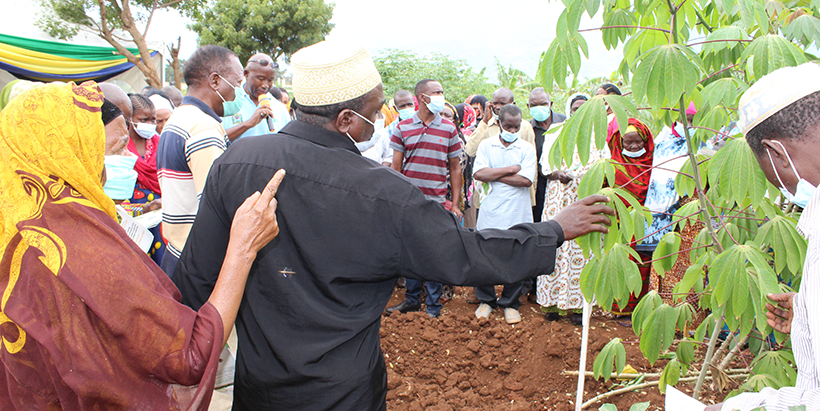
Over 1,000 acres of land in major cassava growing areas of Tanzania have been planted with new, improved cassava varieties.
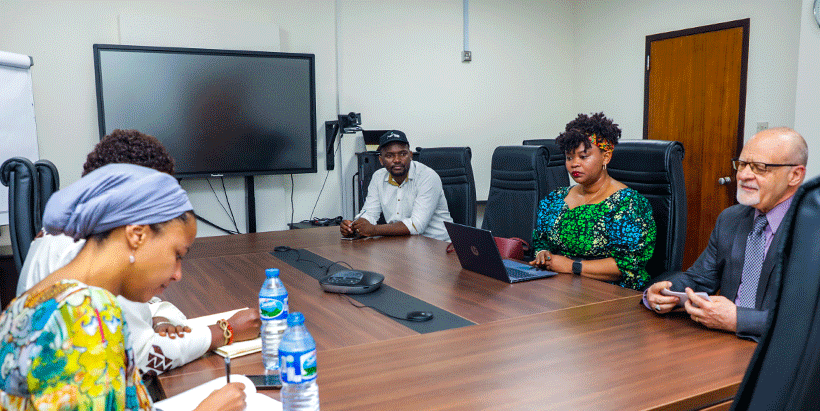
Following the recent exhibition of innovations from CGIAR centers and partners and the Youth project launch in Abuja, Nigeria, a delegation from the Federal Government of Nigeria (FGN) embarked on a three-day visit to IITA headquarters