
On 7 September, IITA–CGIAR convened sixty-eight cassava value chain stakeholders to showcase the transformative journey of unearthing resilient markets for cassava farmers in Tanzania during the Africa Food Systems Forum in Dar es Salaam.
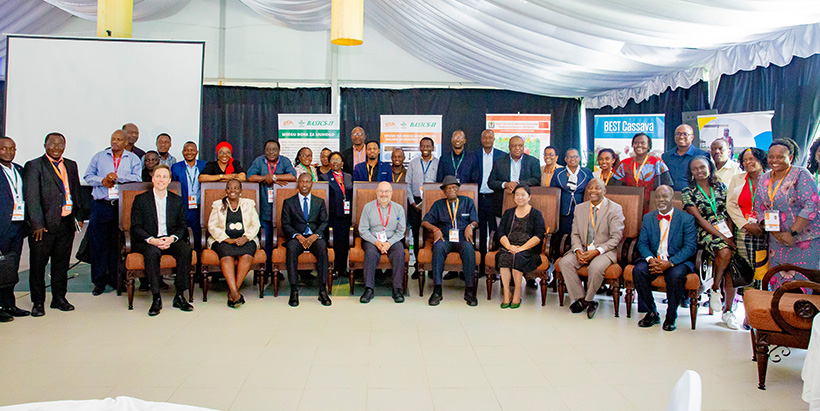
The showcase was one of the side events during the AGRF summit, where organizations highlight initiatives, solutions, and possibilities for transforming food systems in Africa and outside. The event brought together key speakers from various policymakers, public and private investors from the cassava sub-sector, and programs in the cassava value chain to discuss ways to strengthen the efforts to unlock the untapped cassava potential for Tanzania’s economic growth.
IITA Deputy Director General, Partnership for Delivery (DDG-P4D), Kenton Dashiell, noted that it has been wonderful to witness the teams that work independently along the value chain coming together to exchange and learn from the strategies that have been crucial in harnessing the cassava production development. “For sure, we have made good progress. We have evidence that the seed system in cassava can benefit everyone. The seed growers have started benefiting from this. We appreciate all our partners and our partnership,” Dashiell added.
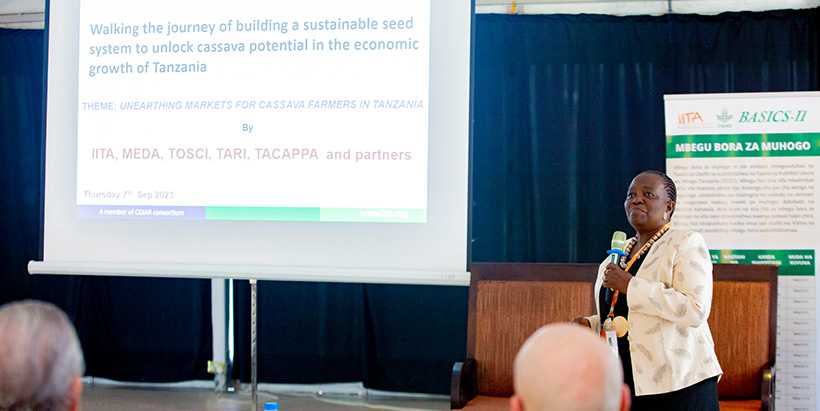
Senior Program Officer at Bill & Melinda Gates Foundation, Dr Lawrence Kent, noted strong scientific evidence that farmers who plant quality-declared stems bought from cassava seed entrepreneurs experience an average of 81% higher yields than those replanting saved seed or buying seed from informal markets. “This explains why farmers are willing to pay for planting materials, and cassava seed entrepreneurs can operate profitably. We need to celebrate what we have achieved while encouraging each other to continue the good work,” said Kent.
Participants had lively discussions about the development of sustainable cassava seed systems and root production and demand for cassava for markets and industrial use in Tanzania. The highlights from the discussion include the well-placed seed certification process coupled with the officially released varieties which are tolerant to pests and diseases, the contribution of using certified seed in establishing and identifying the market potential of high products, which will widen the scope of cassava beyond food security to commercial status.
IITA, in collaboration with the Tanzania Baker Association, conducted an acceptability assessment of high-quality cassava flour (HQCF) mixed with wheat. Preliminary findings indicated that up to 20% cassava in the bread is acceptable to local consumers. “If you can mix wheat with cassava, we will reduce wheat importation. Regarding nutrition, cassava plays a significant role in nutritional status by having a higher fiber content and vitamin C. Therefore, we must ensure the inclusion of cassava in our daily meal choice to contribute to the economy of Tanzania,” explained Dr Esther Nkuba, Director of Tunu Agriproducts and Consultancy Limited.
Moreover, it was noted that the government has institutionalized the seed system model as indicated in the National Cassava Development Strategy (NCDS) 2020-2030 and is already used by the local government authorities.
In his closing remarks, Dr Nyasebwa Chimagu, Director of Crop Development Directorate at Tanzania’s Ministry of Agriculture (MoA), indicated that farmers are being profiled. He also noted that the government, through MoA, is advocating for block farming to minimize fragmented farms, extensive use of digital platforms, and mechanization. Also, the government is committed to improving the efficiency of the extension services to support production and productivity in the country.
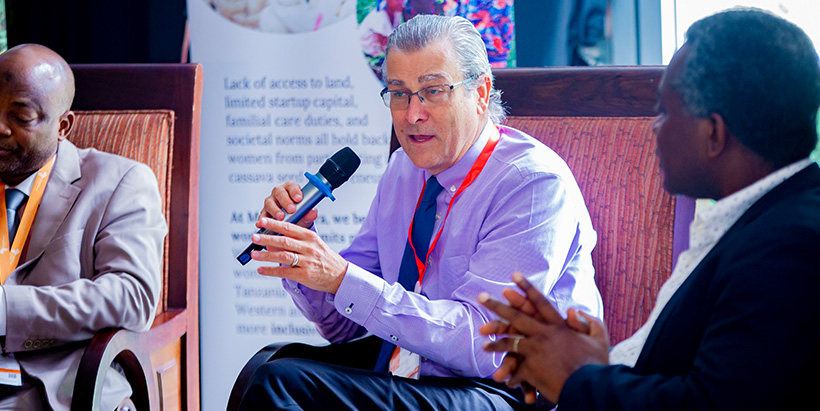
Private sector actors demonstrated their commitment to investing significantly in the cassava subsector’s future. Collectively, partnerships were established to strengthen and develop the consumer-led cassava value chain. The event’s participants were drawn from the CGIAR, private sector, policymakers, farming and processing, government institutions, international and national NGO communities, and development partners.
Contributed by Hadi Rashid and Gloriana Ndibalema
Contributed by
Recent stories