
Citizen science projects are increasing globally, especially in Africa. Citizen science in ornithology employs the participation of public volunteers and nature enthusiasts to collect data about birds. Seventeen APLORI-trained researchers, including IITA Forest Center Manager Adewale Awoyemi, report the invaluable contributions of citizen science volunteers in this new scientific paper. As part of the Nigerian Bird Atlas Project (NiBAP), their works mitigate the lack of distributional data on Nigerian birds.
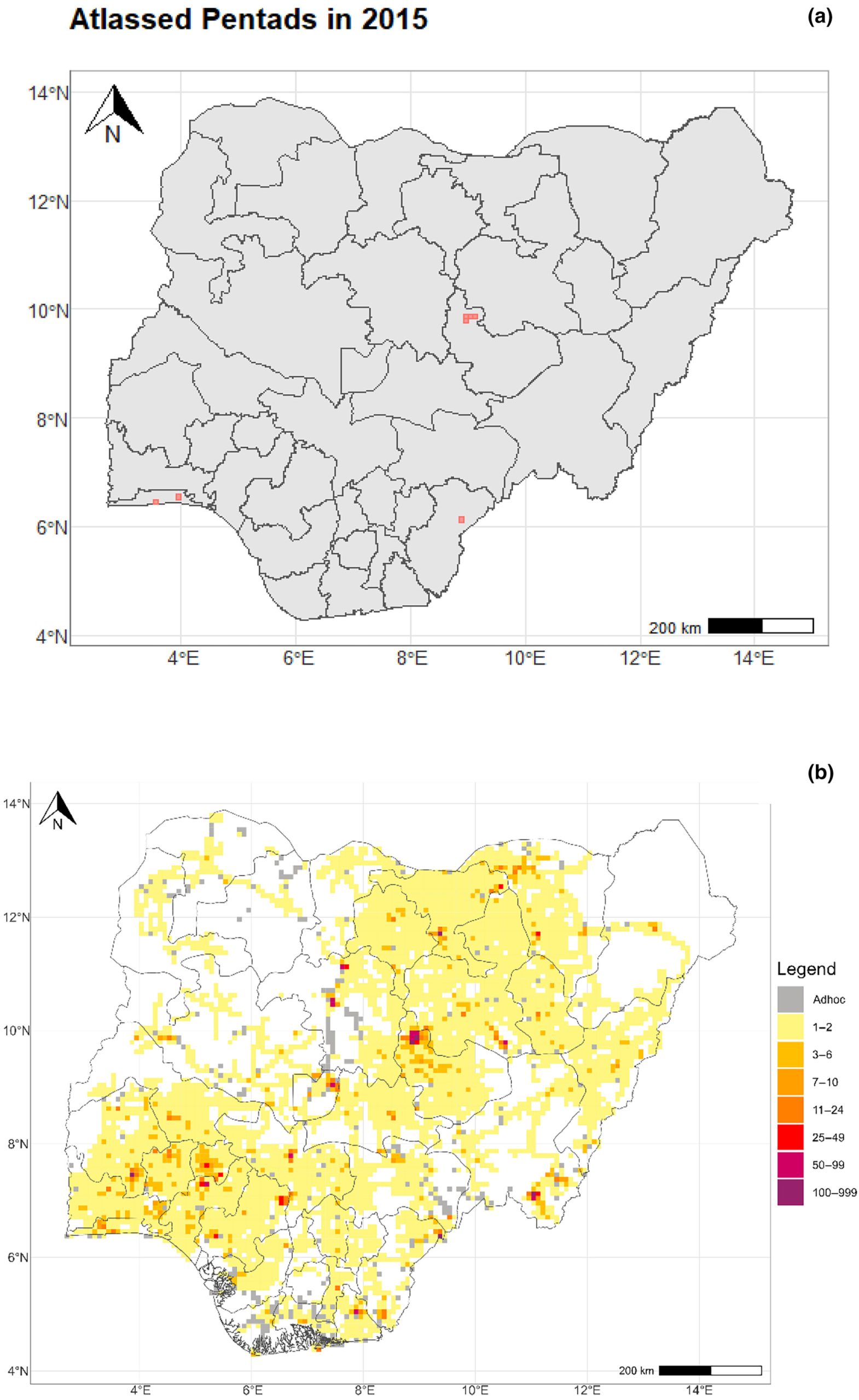
NiBAP was launched in 2015 as the first citizen science project arm of the A.P. Leventis Ornithological Research Institute (APLORI), Jos, Nigeria. Launched to map all Nigerian bird species and document their descriptions with the help of citizen science volunteers, NiBAP has recorded significant success so far. Currently boasting 827 bird enthusiasts across 28 bird clubs in Nigeria, with trained ornithologists from APLORI, NiBAP has recorded 75% of Nigeria’s bird species, covering only 50% of Nigeria’s total surface area. So far, 39 IUCN-listed nationally threatened species have been recorded, including three critically endangered, nine endangered, thirteen vulnerable, thirteen near threatened, and one data deficient species.
Of the total species recorded, 30 are intra-African migrants, 94 are Palearctic migrants, and the majority, which accounts for approximately 85% of the records, are resident species, including Common Bulbul, Laughing Dove, and Grey-backed Camaroptera. Amurum Forest Reserve, Rennajj Fish Farm, and Obudu Cattle Ranch were the most surveyed sites during the study period.
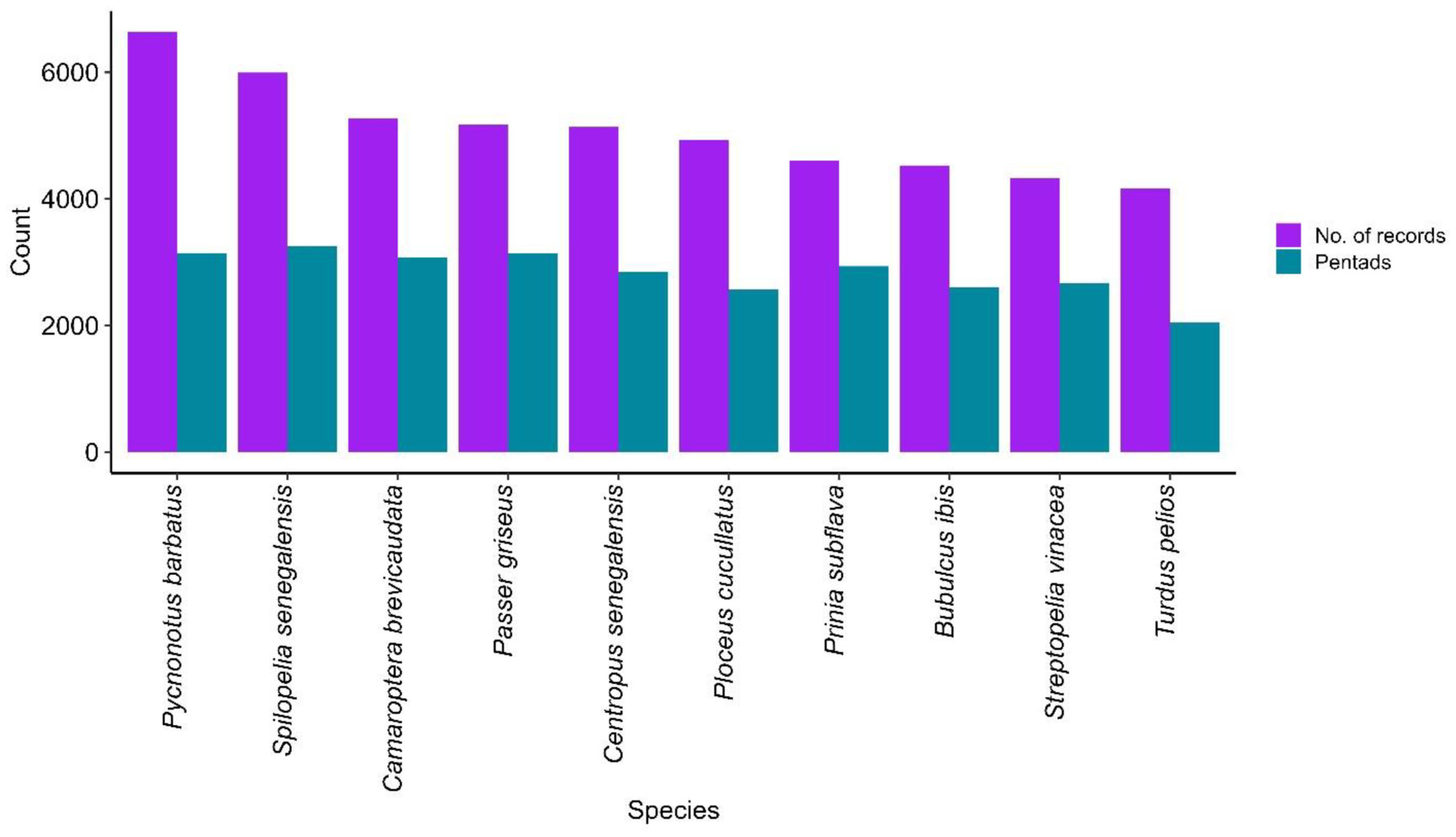
Harnessing citizen science’s potential to collect bird data is relatively cheap and promotes biodiversity conservation awareness among citizens. This approach trains potential experts who draw in more potential experts, strengthening education and awareness for biodiversity conservation across the continent. Data contributed by citizen scientists becomes helpful in monitoring and analyzing population trends, identifying bird diversity across zones, and examining the health of diverse ecosystems. Some NiBAP members have published various bird-related papers of their own, building their knowledge base and capacities as natural development experts.
The team recommends that countries with institutions such as APLORI in Nigeria and Percy FitzPatrick Institute of African Ornithology (PFIAO) in South Africa replicate this collaborative citizen science approach to populate bird biodiversity data. Other countries without these institutions should leverage existing infrastructure, such as the national BirdLife Partnership and other academic institutions with an ornithological, ecological, and conservation orientation, to enrich bird studies and provide bird data. This data will consequently stand as a source for making informed environmental decisions for the good of all.
Contributed by Folake Oduntan
Related Story:
https://www.iita.org/news-item/new-study-explores-human-nature-interactions-in-the-afrotropics/
Contributed by
Recent stories