
The IITA and CGIAR have reaffirmed their commitment to supporting African countries in accelerating agricultural transformation through innovation, strategic partnerships, and knowledge exchange.
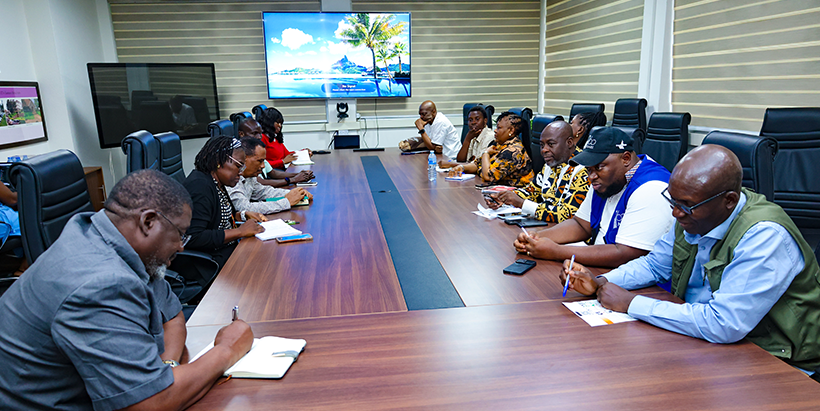
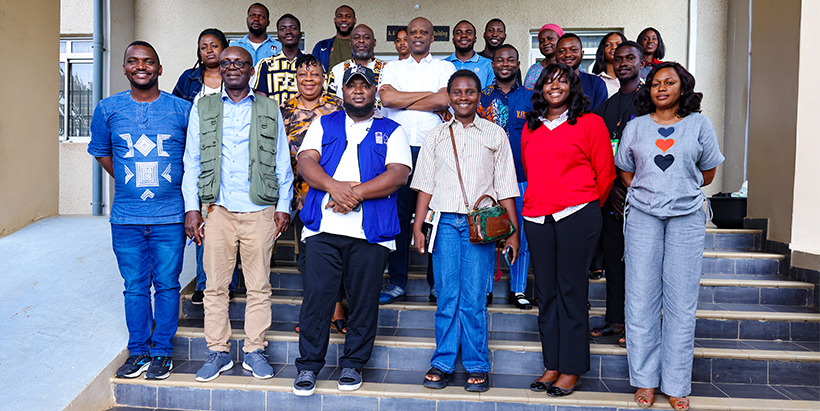
As part of this commitment, IITA welcomed delegates from the United Nations Development Programme (UNDP) Nigeria and UNDP Cameroon to its headquarters in Ibadan on 22 April for a learning visit to explore opportunities for collaboration and strengthen innovation for sustainable food systems across Africa.
The visit provided the delegation with a first-hand insight into IITA’s agricultural innovation ecosystem, research and demonstration facilities, technology development and commercialization pathways, digital agriculture initiatives, and youth entrepreneurship models. Discussions also focused on identifying strategic areas of collaboration between UNDP and IITA to advance agricultural development on the continent.
Welcoming the delegation on behalf of the IITA Director General, Director of the West Africa Hub, Professor Michael Abberton, highlighted the Institute’s value proposition in driving agricultural transformation across Africa. He noted that IITA’s mission is to protect crop yields and biodiversity from pests and diseases while improving food security and livelihoods through science-driven innovations.
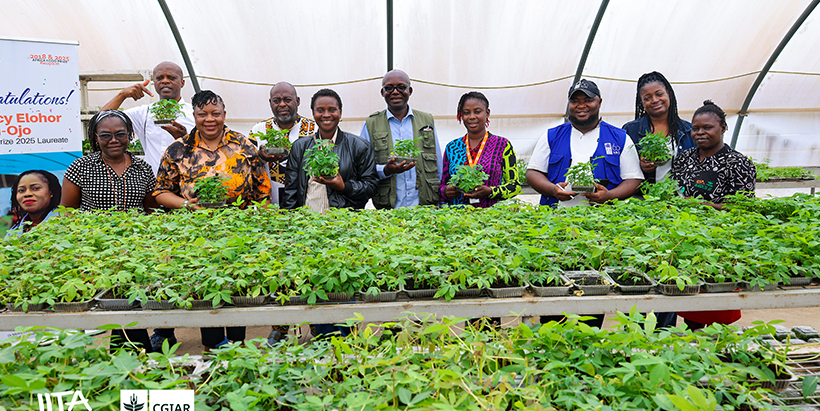
Abberton shared several of the Institute’s innovations, including Aflasafe for controlling aflatoxin contamination and improving food safety, Nodumax for enhancing natural nitrogen fixation, youth and women’s empowerment initiatives, and capacity-building programs designed to strengthen agricultural systems across the continent.
Speaking on behalf of the visiting delegation, Team Lead and Programme Coordinator of the UNDP Recovery Project, Ahmed Francis Ndjama Abouem, explained that the visit was intended to learn from IITA’s experience in developing agricultural and digital technology solutions that could be adapted for implementation in Cameroon.
According to Abouem, the delegation is particularly interested in replicating IITA’s youth incubation model and exploring ways to connect Cameroon’s agricultural ecosystem with IITA’s technologies, services, and products, especially to better support smallholder farmers in rural communities.
During the visit, the delegation toured several of IITA’s research facilities, including the Virology and Nutrition Laboratory, the Genetic Resources Center, plantain, maize, and soybean research fields, the Semi-Autotrophic Hydroponics (SAH) facility, and the Youth Agripreneurs Office. The tour provided practical insights into the Institute’s integrated approach to agricultural research, innovation, and technology delivery.
At the wrap-up session, chaired by Deputy Director General, Partnerships for Delivery, Dr Tahirou Abdoulaye, the delegation reflected on lessons from the visit and expressed enthusiasm about deepening collaboration with IITA.
The UNDP team indicated that their immediate priority is to apply the knowledge gained during the visit within their ongoing projects in Cameroon, which they said would help define concrete areas for future collaboration with the Institute. They also proposed additional learning engagements, particularly in agribusiness development, to further strengthen the partnership.
In response, Dr Abdoulaye encouraged the delegation to continue engaging with IITA through its station in Cameroon to facilitate closer collaboration and ensure the effective implementation of joint initiatives.