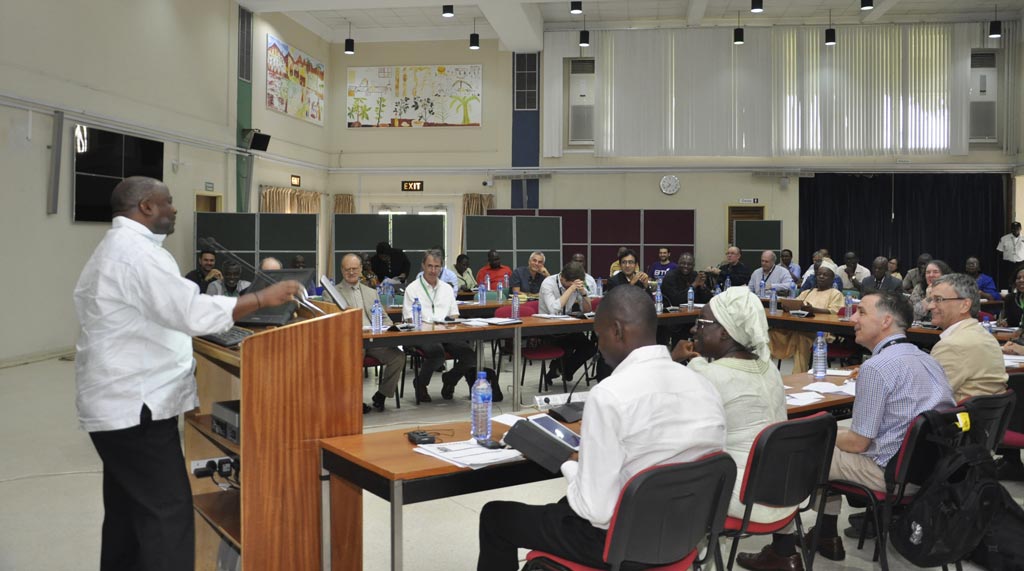
New project to build commercially sustainable cassava seed system
A four-year project (2015–2019) to develop a commercially sustainable cassava seed value chain in Nigeria, was launched on 18 April at IITA headquarters in Ibadan, Nigeria.

A four-year project (2015–2019) to develop a commercially sustainable cassava seed value chain in Nigeria, was launched on 18 April at IITA headquarters in Ibadan, Nigeria.

IITA Director General Nteranya Sanginga recently commissioned the offices of the new project Building an Economically Sustainable, Integrated Cassava Seed System (BASICS) in IITA headquarters.
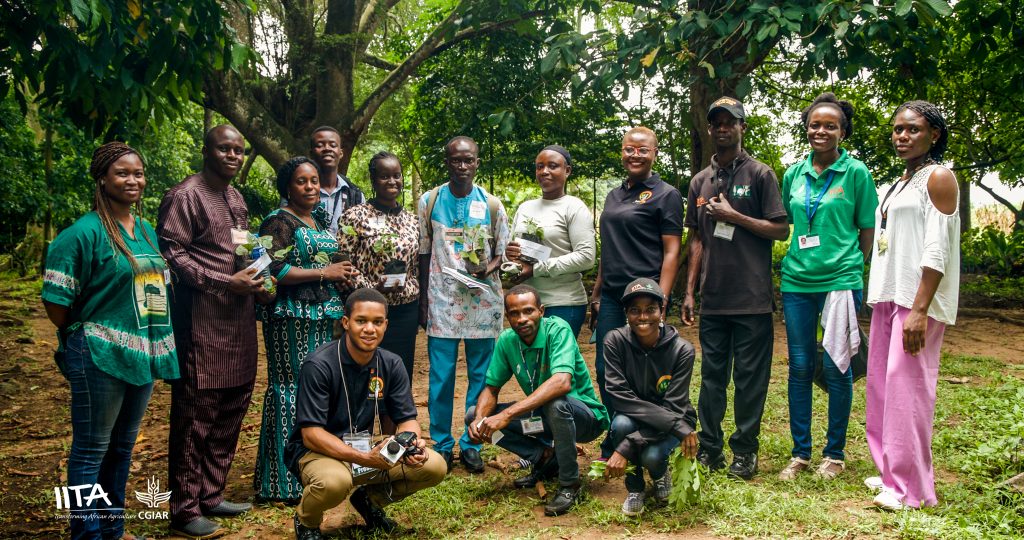
Cassava farmers participating in the recently concluded Radio IITA Farmers Outreach expressed their profound appreciation for the newfound knowledge that promises to significantly enhance their farming practices.
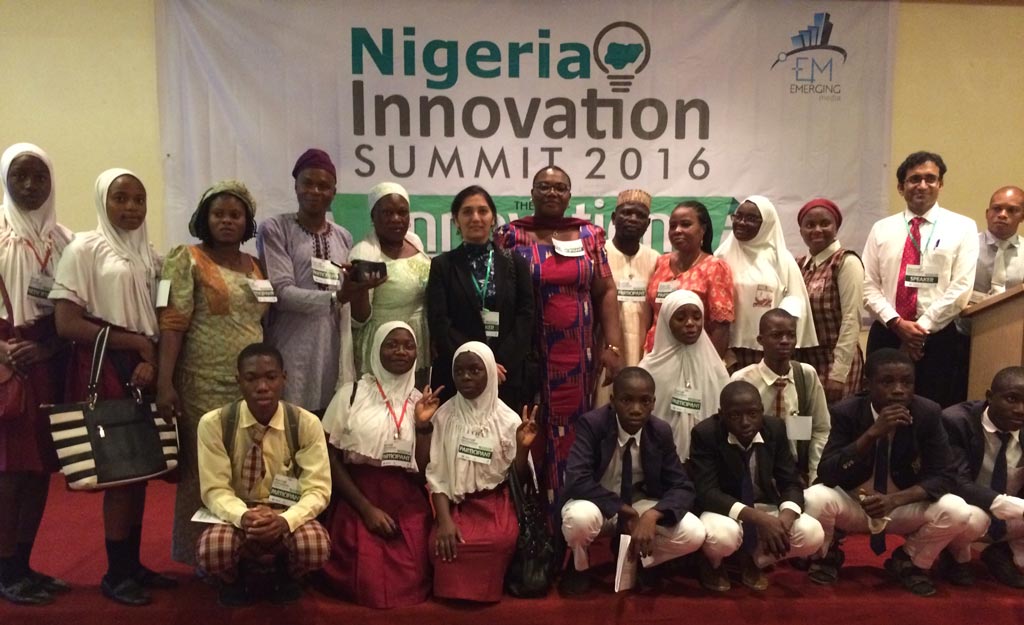
The 2016 edition of the annual Nigeria Innovation Summit (NIS), themed “Innovation: A Key Driver of Economic Growth and Sustainable Development
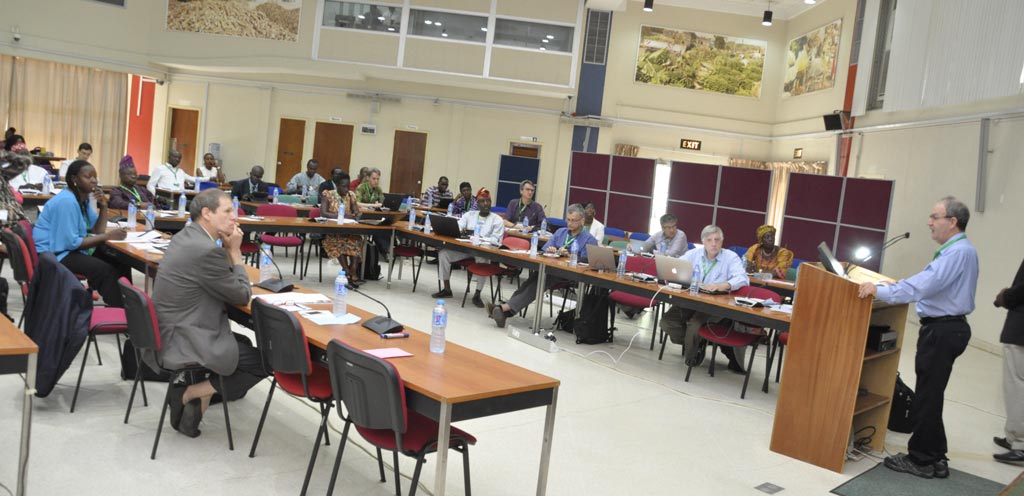
The need to improve the production process of cassava farming systems in Africa through improved methods brought together key stakeholders from several countries last week to IITA- Ibadan.
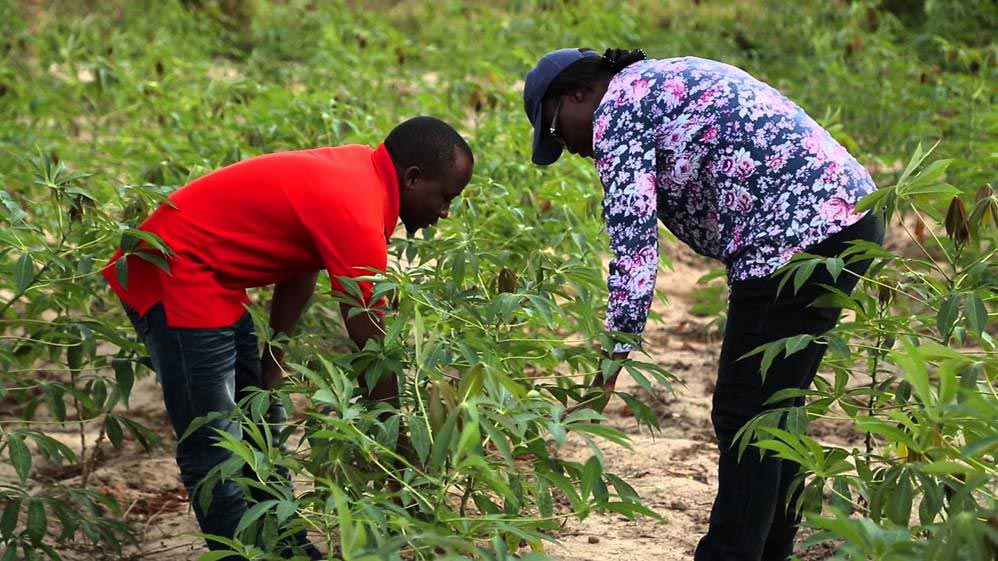
Preliminary results from an ongoing study by IITA in Tanzania have shown an increase of nearly 60% in cassava yield which translates to a 30% increase in income for farmers.
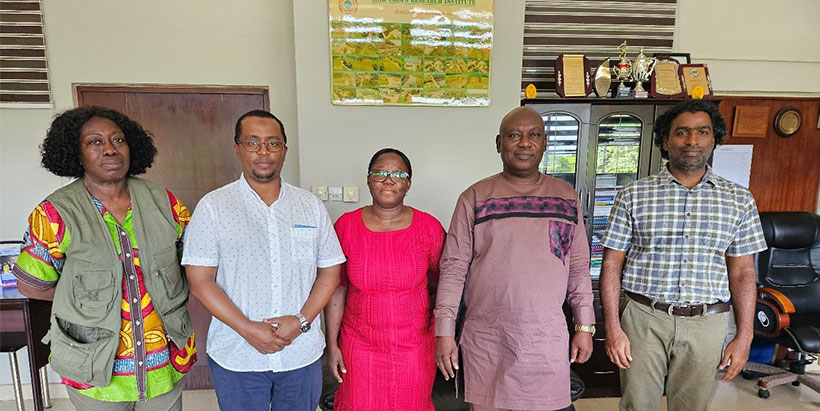
The IITA-CGIAR Cassava Breeding Program held the first stakeholder engagement meeting across research institutions in West and Central Africa in Kumasi, Ghana, on 10 – 13 June.
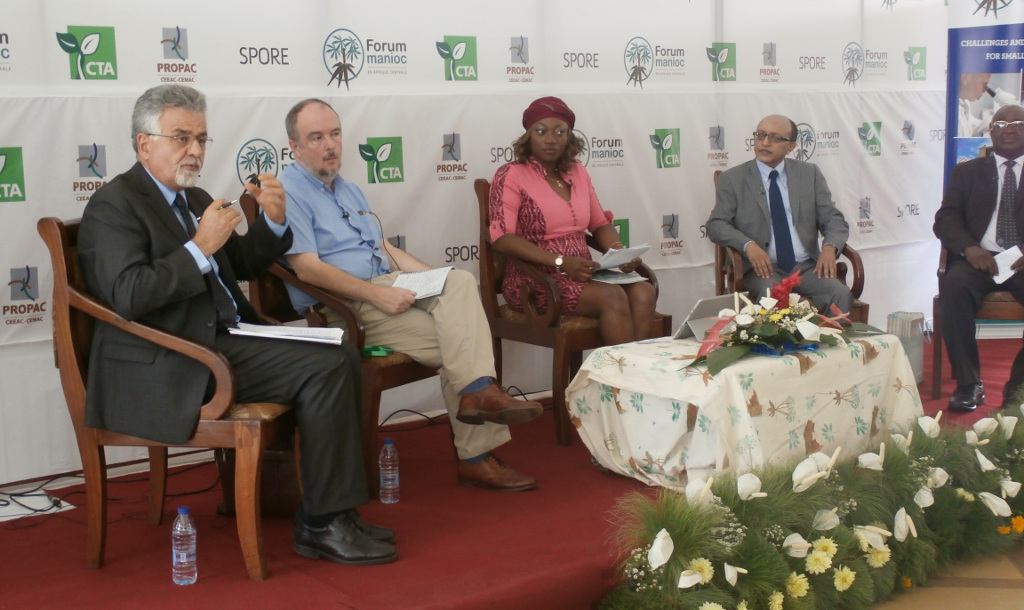
IITA was very active and visible at the cassava regional forum in Yaoundé held from 6 to 9 December.
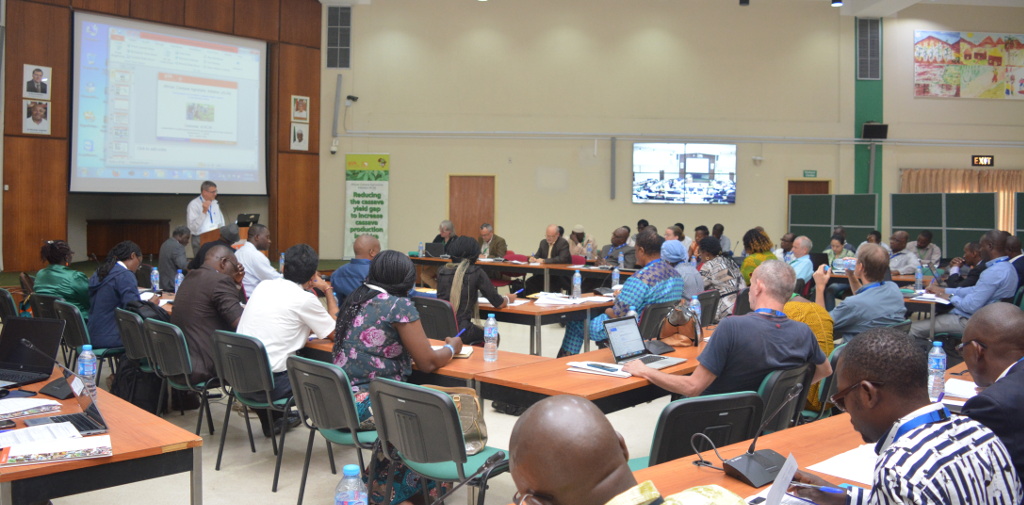
Strategies and methods aimed at reducing the yield gap in cassava and leading to increased production for the benefit of farmers and processors have been mapped out during the inaugural meeting of the African Cassava Agronomy Initiatives (ACAI).
Cassava is a tough plant. It can withstand drought and grow in marginal soils while still yielding its crop of starchy roots. Its roots can stay in the ground, waiting for harvest until other food sources run low.