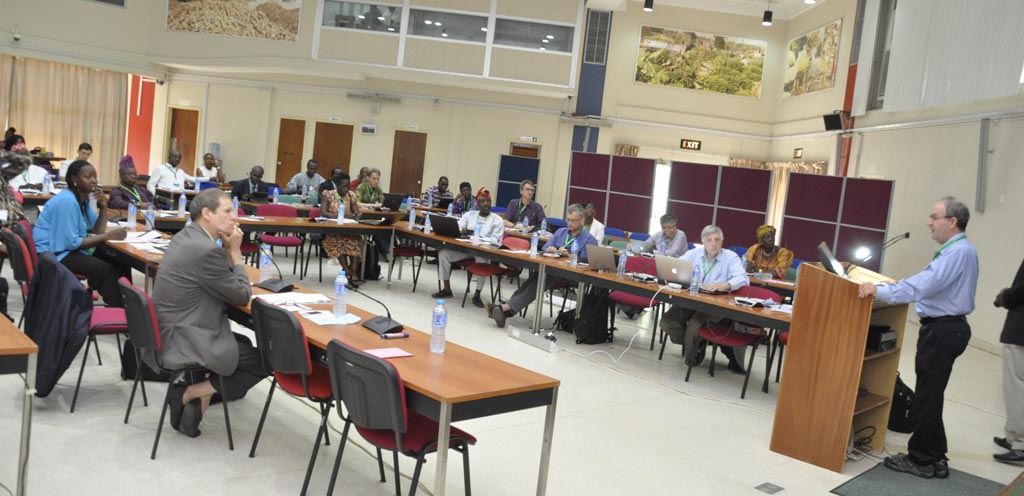
Cassava mechanization workshop at IITA-Ibadan
The need to improve the production process of cassava farming systems in Africa through improved methods brought together key stakeholders from several countries last week to IITA- Ibadan.
The need to improve the production process of cassava farming systems in Africa through improved methods brought together key stakeholders from several countries last week to IITA- Ibadan.
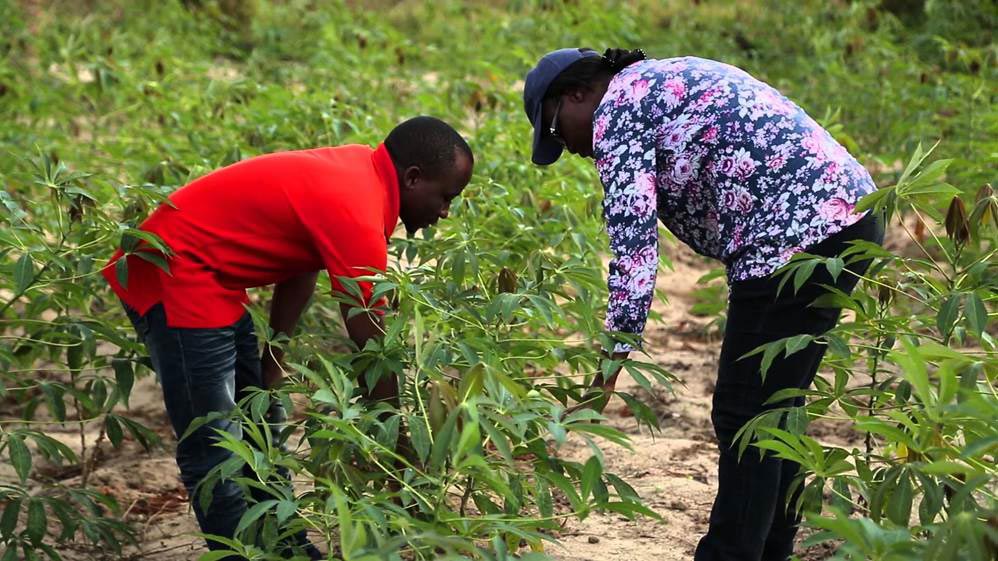
Preliminary results from an ongoing study by IITA in Tanzania have shown an increase of nearly 60% in cassava yield which translates to a 30% increase in income for farmers.
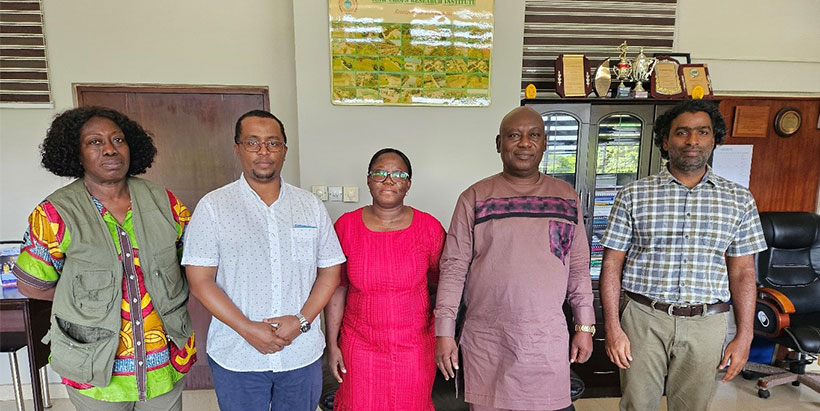
The IITA-CGIAR Cassava Breeding Program held the first stakeholder engagement meeting across research institutions in West and Central Africa in Kumasi, Ghana, on 10 – 13 June.
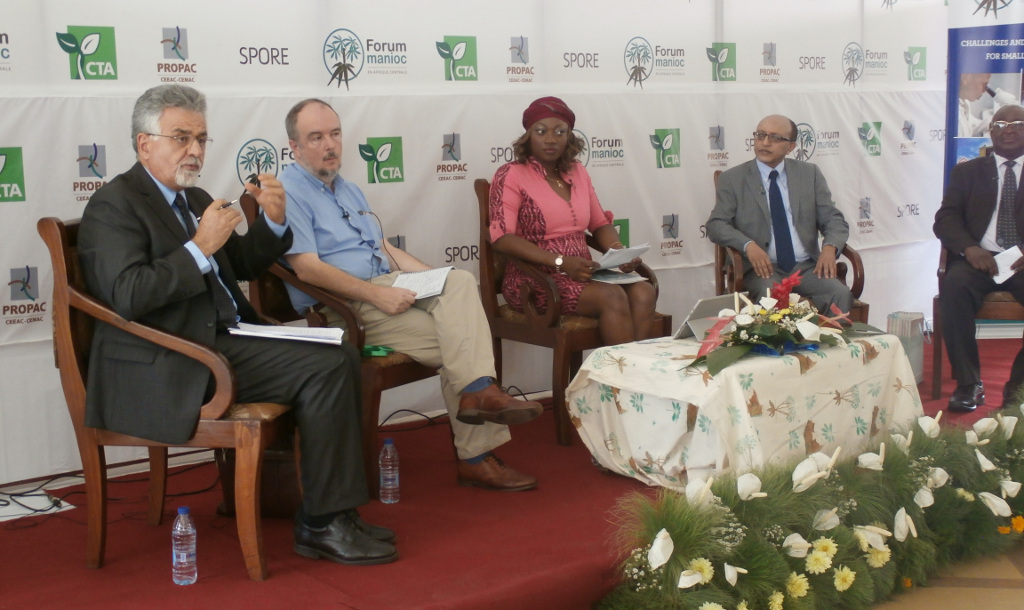
IITA was very active and visible at the cassava regional forum in Yaoundé held from 6 to 9 December.
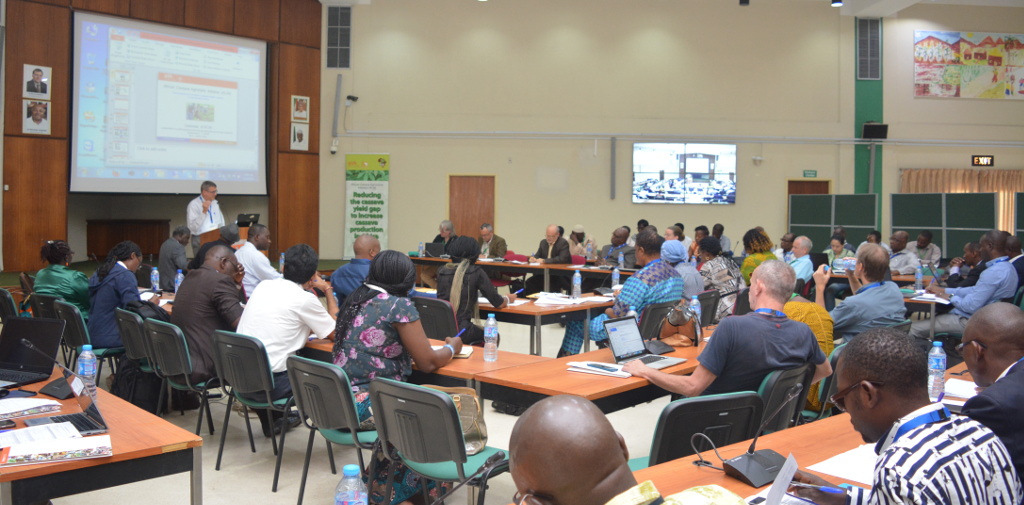
Strategies and methods aimed at reducing the yield gap in cassava and leading to increased production for the benefit of farmers and processors have been mapped out during the inaugural meeting of the African Cassava Agronomy Initiatives (ACAI).
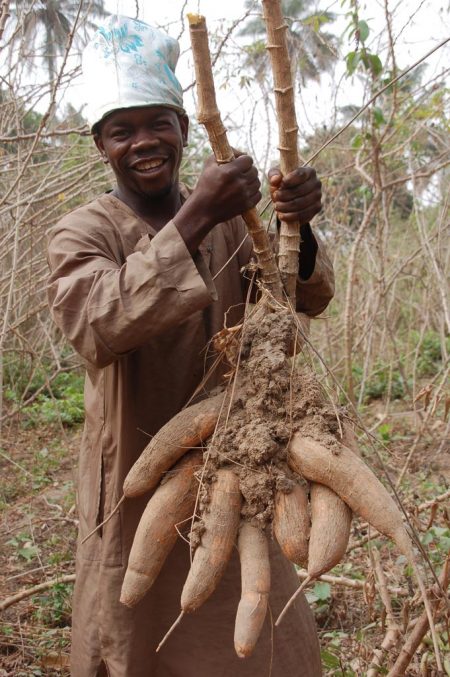
Cassava is a tough plant. It can withstand drought and grow in marginal soils while still yielding its crop of starchy roots. Its roots can stay in the ground, waiting for harvest until other food sources run low.
The initiative is a newly established regional forum on cassava for Central African countries that aims to facilitate dialogue on how to add value to cassava farming.
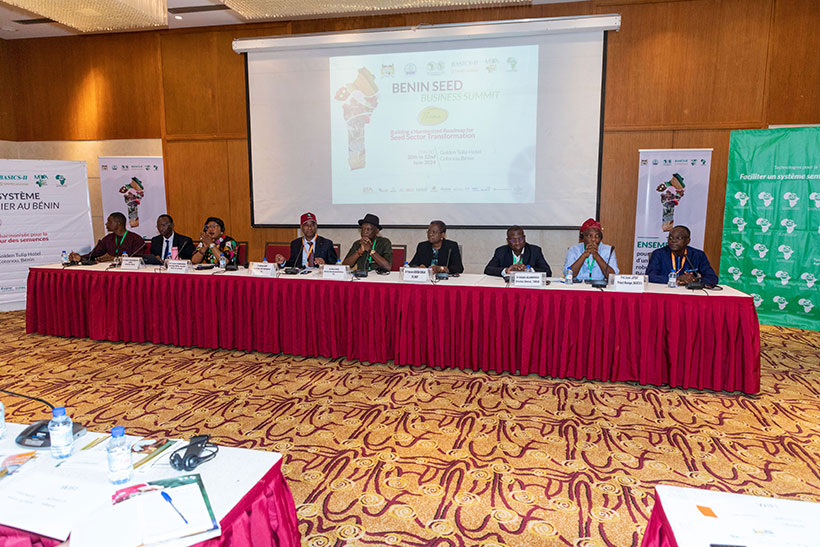
Stakeholders from the Republic of Benin and across Africa are organizing a summit to draw a seed roadmap for the West African countries
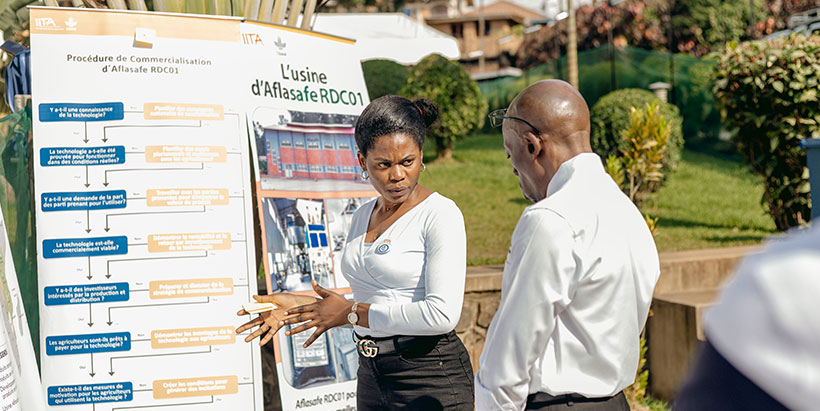
As an implementing partner in the provinces of Sud-Kivu and Tanganyika in eastern DRC, IITA-CGIAR has just unveiled the results