
Recently, dairying has become a new appealing economic sub-sector in the agricultural sector that contributes to healthy living. This booming food sector offers countless nutrient options for bone health, cardiovascular disease, obesity, and other conditions.
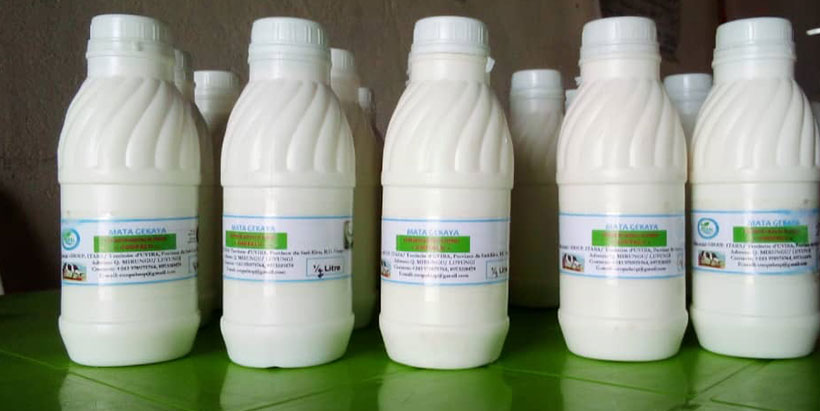
Dairy products are nutritious foods with short shelf life and require careful handling. They are highly susceptible to spoilage and the growth of microorganisms, especially bacterial pathogens, which can lead to foodborne diseases in consumers. Dairy product examples include milk, white cheese or mashanza, yogurt, and whipped cream.
On the other hand, milk processing extends the shelf life for longer periods, reducing the risk of foodborne illnesses associated with milk consumption. Traditional processing involves small-scale operations conducted by isolated individuals or groups, using local equipment such as jerricans, pans, calabashes, and traditional ferments (e.g., lacto serum, filtered local drinks, and lemon juice) without strict adherence to the norms of food processing.
However, there is a high risk of microbial health challenges when people consume improperly handled milk or dairy products. This could result from consuming dairy products from informal value chain vendors, who get products from licensed and unlicensed entities—milk bars, street vendors, and milk vending machines.
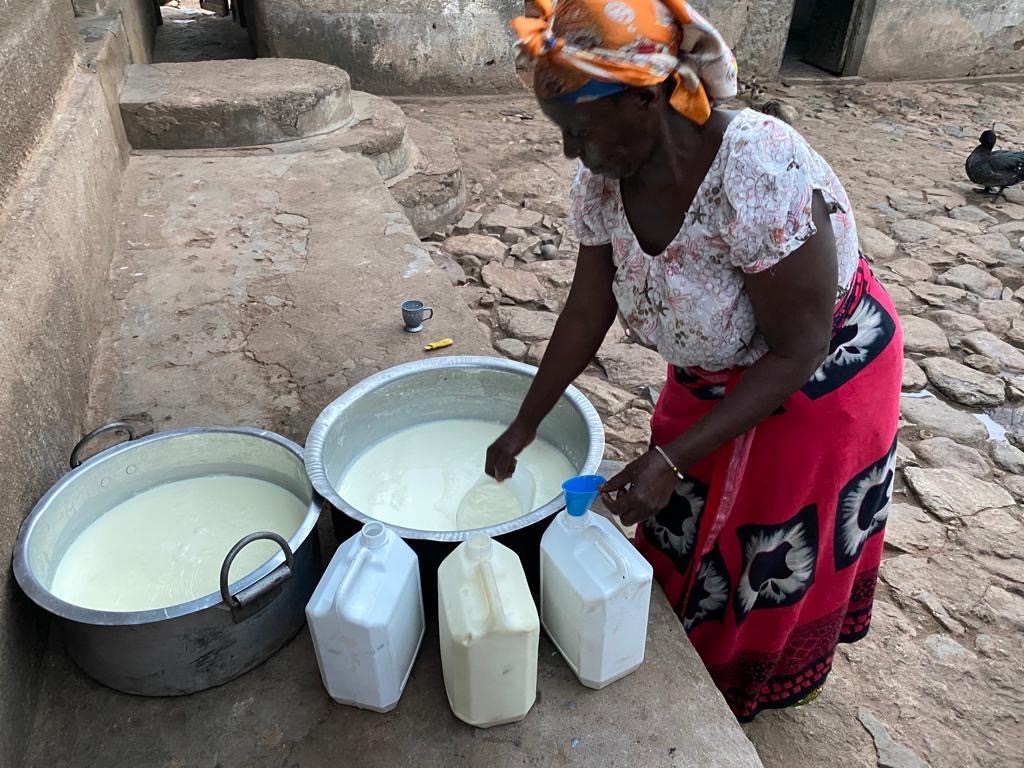
A study conducted by researchers from IITA–CGIAR, Tanzania Livestock Research Institute (TALIRI), Jomo Kenyatta University of Agriculture and Technology (JKUAT), Kenya, and Université Evangélique en Afrique (UEA), Bukavu, Democratic Republic of Congo (DRC), assessed the health risks and nutritional profile of milk products along the value chain and underlying factors in the sub-sector. It also investigated the physicochemical and microbiological composition of milk products and the risk factors associated with quality milk in South-Kivu and Tanganyika provinces in eastern DRC.
It reveals that the physicochemical characteristics of pasteurized, raw, and fermented milk, as well as other dairy value chains, are influenced by the feeding system, the cattle breed maintained by farmers, and the calving rank.
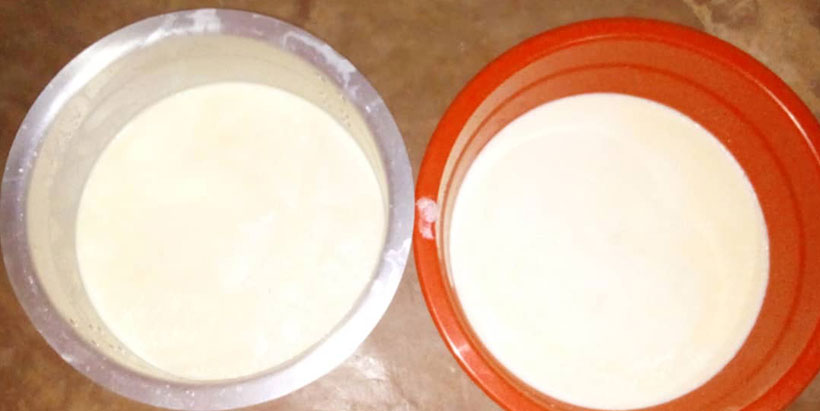
The findings show that the physicochemical characteristics of milk differed mainly based on the milk type and geographical regions. Compared to other milk types, the findings revealed that pasteurized milk from Tanganyika presented the best physicochemical parameters, including crude protein (CP), Fat, non-fat dry matter (NFDM), lactose, density, and pH. The study also discovered that Salmonella and Staphylococci were present in all the milk types.
Samy Bacigale, IITA Livestock Research Associate (PICAGL), explained that handling methods and infrastructure used by milk actors (producers, collectors, and vendors) during the production, transportation, and commercialization, affected the microbiology quality of milk types, as well as the ecologies of production axis.
The research team recommended that milk actors be well-equipped with appropriate knowledge and skills for producing, transporting, and commercializing healthy dairy products for consumers. This suggests that effective management of the dairy sector could be a significant means of poverty alleviation and wealth generation, particularly in developing countries.
Contributed by Anita AkinyomadeContributed by
Recent stories