
CGIAR participated in the African Green Revolution Forum (AGRF) 2021 themed: Science and Innovation for Sustainable and Resilient Food Systems in Africa through a side event organized by Africa-based CGIAR centers led by IITA. The side event, held on 6 September, had the theme “Pathways to recovery and resilient food systems.”
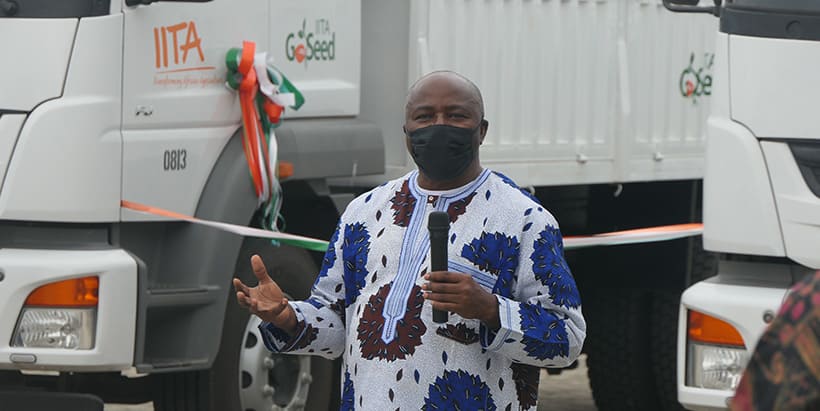
The session introduced One CGIAR and its Africa research, innovation priorities, and commitments; and outlined and proposed priority actions, and steps for One CGIAR to accelerate progress towards inclusive agricultural transformation in Africa.
During the session, Claudia Sadoff, CGIAR Managing Director, Research Delivery and Impact, delivered the keynote talk and spoke on how CGIAR serves as an accelerator for inclusive agricultural transformation in Africa.
Sadoff said: “One CGIAR will prioritize five impact areas over the coming decades to help Africa unlock progress to sustainable development goals including forest, nutrition, health, and food security; poverty reduction, livelihood and jobs; gender equality, youth and social inclusion; climate adaptation and mitigation; and environmental health and biodiversity.” She explained that these impact areas would be delivered through dynamic partnerships with diverse actors to scale-out knowledge, technologies, and innovations generated from over 50 years of research. The impact would deliver diverse, healthy, safe, sufficient, and affordable diets, improved livelihoods, and greater social equality within planetary and regional environmental boundaries.
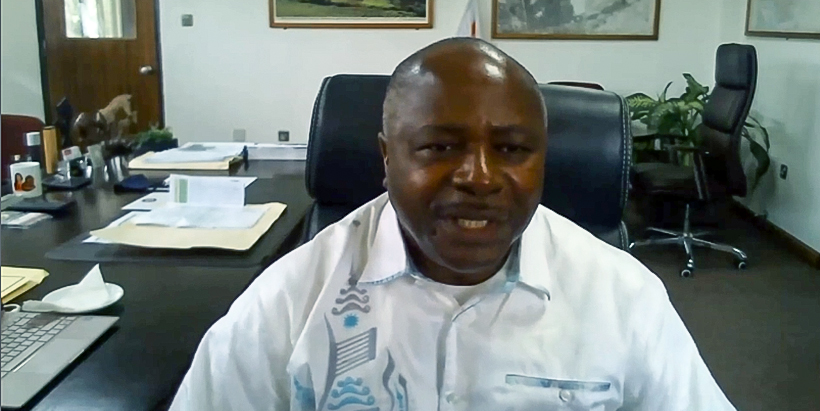
Peter Ballantyne, Consultant, Communications and Knowledge Management and Cynthia Mugo, Policy and Stakeholder Engagement Advisor, International Livestock Research Institute (ILRI), moderated the session. The three CGIAR regional directors—Aly Abousabaa, Director General of ICARDA, Harold Roy-Macauley, Director General of AfricaRice, and Nteranya Sanginga, IITA Director General—set the context for CGIAR’s work in Africa and discussed how CGIAR will help accelerate inclusive agricultural transformation in Africa.
DG Sanginga highlighted that youth unemployment and politics are the major challenges affecting agriculture in the West and Central region. “CGIAR is focusing on development and deployment of climate-resilient and nutritious crop varieties and animal breeds; establishing seed systems and institutional arrangement to improve farmers’ access to improved varieties and investing in digital advisories and early warning systems related to weather, plant health and markets, among others.”
“CGIAR will invest in technologies for improved agro-processing and increased food safety as well as investing in the circular bioeconomy,” he stated.

He added that livestock feeds had become an important area of research in IITA; therefore, poultry and fishery are becoming attractive to the youth. “CGIAR can help integrate the work of ILRI and IITA,” he said. He stated that “delivery” and “impact” are the value propositions CGIAR is promoting.
Abousabaa spelled out the needs and priorities in Central and West Asia, and North Africa (CWANA), including water scarcity. He said CGIAR would provide solutions to these challenges focusing on diversifying food systems, improving dryland biodiversity and genetic resources, and supporting the sustainable and equitable intensification of farming systems to increase the profitability of local and regional value chains.
“We will focus on promoting the wide-scale adoption of our technologies by digitalizing research to address climate, drought, and heat risks. We will also stress sustainable water and landscape management and promote sustainable energy,” he said. He added that his value proposition to One CGIAR is to partner with National Agricultural Systems (NAS) to bring global solutions to resolve local problems.
Roy-Macauley said East and Southern Africa is the climate hotspot with increased frequency and severity of floods and droughts, leading to disease and pest outbreaks that have jeopardized business and supply chains and undermined livelihoods. “CGIAR will align its research and development agenda to the region’s needs and priorities and focus on forming collaborative partnerships to deliver climate information services and climate-smart sustainable intensification technologies,” he emphasized.
Furthermore, “we will work with a range of diverse partners to scale, across the region, climate-smart technologies and practices; strengthen the capacity of value chain actors, and work with policymakers to develop and enact appropriate policies to facilitate the process,” he added.
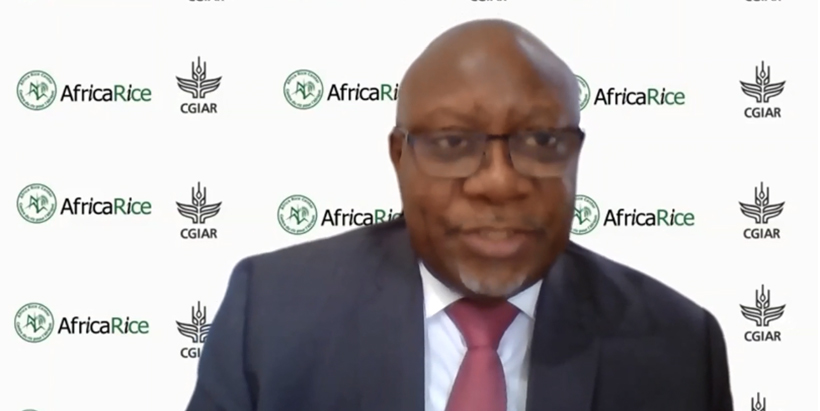
All regional directors stressed the importance of addressing youth unemployment and gender empowerment. CGIAR will prioritize developing employment and entrepreneurship models for youth and women, including providing business support and technical assistance. Providing science-based evidence to support policymakers and institutional innovations was another cross-cutting issue.
Part of the side event is a panel discussion that engaged various stakeholders involved in the agricultural transformation process. They provided feedback and helped identify priority research actions for CGIAR that will create more sustainable and resilient food systems in the face of climate change and make recommendations on how CGIAR can better work with various actors.
One of the panel speakers, Martin Fregene, Director of Agriculture and Agro-Industry, African Development Bank (AfDB), stressed the importance of research and innovations to address current challenges facing the continent concerning climate change and COVID-19.
“There can be no progress without innovation; therefore, research and development are fundamental. At AfDB, we work very closely with CGIAR to scale out the best technologies and solutions generated by science and research,” he said.
Emma Naluyima, a veterinarian and smallholder farmer in Uganda and Africa Food Prize 2019 Laureate, welcomed CGIAR’s new way of working and delivering, with most farmers integrating their farming; keeping livestock and growing crops.
“In the past, we had to consult each CGIAR Center individually, but if they all work as one, they will be able to address better the challenges we face as farmers,” she said. “We will also like to see increased efforts to ensure that innovations and technologies from research reach farmers.”
Wrapping up the session, Juan-Lucas Restrepo, Global Director of Partnerships and Advocacy at CGIAR and Director General, Alliance of Bioversity International and the International Center for Tropical Agriculture (CIAT), stressed the importance of collaborating with CGIAR traditional partners, National Agriculture Research and Extension Systems (NARES), and national governments, to create innovations that are demand-driven and adapted to the local context.
CGIAR priority interventions include better alignment to the needs and priorities of African countries; demand-driven partnerships in using digital tools to disseminate and scale-out research knowledge and technologies to increase agriculture production while taking care of the environment; providing science-based evidence for decision making to increase farmers’ resilience to climate change; and addressing youth unemployment.
Two other side events involved IITA: The African Union and European Union-organized session—“AU-EU game-changer for resilient food systems” facilitated by Kwesi Atta-Krah, Director, Advocacy and Country Alignment Function; and another session organized by TAAT (Technologies for African Agricultural Transformation) called “Technology brokerage for a resilient food system in Africa.”
In the TAAT side event Kenton Dashiell, IITA Deputy Director General, Partnerships for Delivery, said that organizations and people who have in-depth knowledge about technologies could help solve problems on food systems in Africa or those that need the technologies and innovation to solve agricultural problems. The side event described how TAAT provides the brokerage and processes in effectively transferring technologies in Africa. Speakers also included Innocent Musabyimana, Head of the TAAT Clearing House, among others.
AGRF serves as the world’s premier forum for advancing Africa’s agricultural agenda to achieve the vision and goals laid out in the AU Malabo Declaration, the Sustainable Development Goals (SDGs), and Africa’s Agenda 2063.
Contributed by
Recent stories