
Consortium to Launch Fertilizer and Soil Health Hub for West Africa and the Sahel at the Africa Fertilizer and Soil Health (AFSH) Summit
May 5, 2024
The Fertilizer and Soil Health Hub for West Africa and the Sahel will officially launch at the Africa Fertilizer and Soil Health (AFSH) Summit from 7 to 8 May 2024. This new initiative, led by the Economic Community of West African States (ECOWAS), is part of the organization’s roadmap to improve soil health, agricultural productivity, and sustainability in the region.
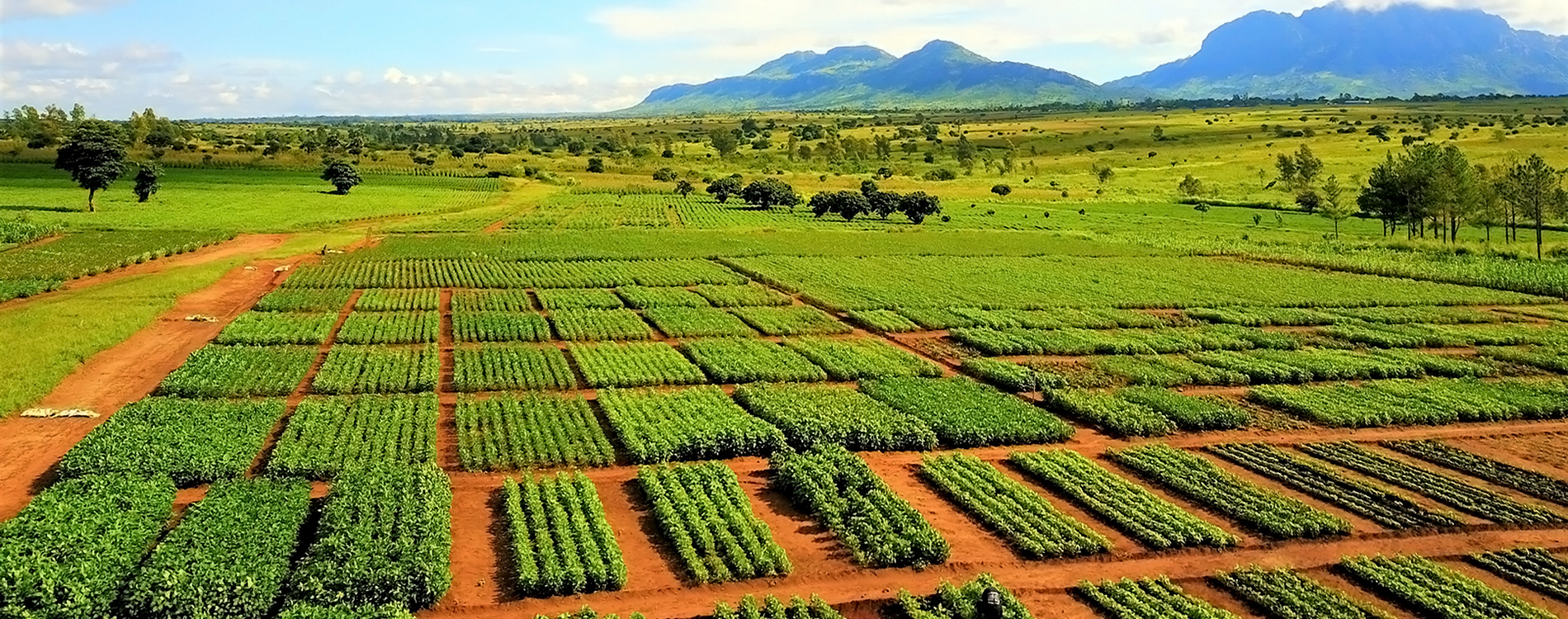 The launch event will initiate activities and investments in line with the proposed ECOWAS roadmap for Fertilizer and Soil Health. It will occur on Wednesday, 8 May 2024, from 15:30 to 17:00 at Tent 4 (Lawns) at the Kenyatta International Conference Centre (KICC). This event, titled “A Sustainable Food Secure Future for West Africa and the Sahel: Launching a New Regional Hub for Strengthening the Fertilizer Sector and Improving Soil Health,” is an opportunity to learn about the Hub’s goals and plans.
Attendance at the launch event requires prior registration for the central AFSH Summit, which must be completed by 25 April 2024. Attendees of the Africa Fertilizer and Soil Health (AFSH) Summit should also RSVP for the launch event by 3 May using the RSVP link. Please contact Barbra Muzata on +254 0719493499, b.muzata@cgiar.org.
This side event will offer insights into the Hub’s mission to facilitate the delivery of agronomic gains at regional, national, and subnational levels through fertilizer and soil health management practices, capacity development, and stakeholder collaboration.
The Hub’s headquarters is located at the International Institute of Tropical Agriculture (IITA) campus in Ibadan, Nigeria, with a subsidiary hub at the University Mohammed VI Polytechnic (UM6P) in Ben Guerir, Morocco. The Ibadan headquarters is set to be inaugurated at the end of May 2024.
The Hub’s vision is to improve long-term soil health and fertility for enhanced yield, efficient resource use, and climate resilience. This mission will be achieved through various activities, including soil information dissemination, agronomic recommendations, and capacity development.
The initiative is governed by a Consortium Steering Committee with representatives from key partners, including ECOWAS (Economic Community of West African States), the International Fertilizer Development Center (IFDC), OCP Africa, the African Plant Nutrition Institute (APNI), University Mohammed VI Polytechnic (UM6P), the International Institute of Tropical Agriculture (IITA), and the World Bank through the Accelerating Impacts of CGIAR Climate Research for Africa (AICCRA) project.
Join us at the launch event to learn more about this important initiative and its plans for advancing fertilizer and soil health in West Africa and the Sahel.
The launch event will initiate activities and investments in line with the proposed ECOWAS roadmap for Fertilizer and Soil Health. It will occur on Wednesday, 8 May 2024, from 15:30 to 17:00 at Tent 4 (Lawns) at the Kenyatta International Conference Centre (KICC). This event, titled “A Sustainable Food Secure Future for West Africa and the Sahel: Launching a New Regional Hub for Strengthening the Fertilizer Sector and Improving Soil Health,” is an opportunity to learn about the Hub’s goals and plans.
Attendance at the launch event requires prior registration for the central AFSH Summit, which must be completed by 25 April 2024. Attendees of the Africa Fertilizer and Soil Health (AFSH) Summit should also RSVP for the launch event by 3 May using the RSVP link. Please contact Barbra Muzata on +254 0719493499, b.muzata@cgiar.org.
This side event will offer insights into the Hub’s mission to facilitate the delivery of agronomic gains at regional, national, and subnational levels through fertilizer and soil health management practices, capacity development, and stakeholder collaboration.
The Hub’s headquarters is located at the International Institute of Tropical Agriculture (IITA) campus in Ibadan, Nigeria, with a subsidiary hub at the University Mohammed VI Polytechnic (UM6P) in Ben Guerir, Morocco. The Ibadan headquarters is set to be inaugurated at the end of May 2024.
The Hub’s vision is to improve long-term soil health and fertility for enhanced yield, efficient resource use, and climate resilience. This mission will be achieved through various activities, including soil information dissemination, agronomic recommendations, and capacity development.
The initiative is governed by a Consortium Steering Committee with representatives from key partners, including ECOWAS (Economic Community of West African States), the International Fertilizer Development Center (IFDC), OCP Africa, the African Plant Nutrition Institute (APNI), University Mohammed VI Polytechnic (UM6P), the International Institute of Tropical Agriculture (IITA), and the World Bank through the Accelerating Impacts of CGIAR Climate Research for Africa (AICCRA) project.
Join us at the launch event to learn more about this important initiative and its plans for advancing fertilizer and soil health in West Africa and the Sahel.
The launch event will initiate activities and investments in line with the proposed ECOWAS roadmap for Fertilizer and Soil Health. It will occur on Wednesday, 8 May 2024, from 15:30 to 17:00 at Tent 4 (Lawns) at the Kenyatta International Conference Centre (KICC). This event, titled “A Sustainable Food Secure Future for West Africa and the Sahel: Launching a New Regional Hub for Strengthening the Fertilizer Sector and Improving Soil Health,” is an opportunity to learn about the Hub’s goals and plans.
Attendance at the launch event requires prior registration for the central AFSH Summit, which must be completed by 25 April 2024. Attendees of the Africa Fertilizer and Soil Health (AFSH) Summit should also RSVP for the launch event by 3 May using the RSVP link. Please contact Barbra Muzata on +254 0719493499, b.muzata@cgiar.org.
This side event will offer insights into the Hub’s mission to facilitate the delivery of agronomic gains at regional, national, and subnational levels through fertilizer and soil health management practices, capacity development, and stakeholder collaboration.
The Hub’s headquarters is located at the International Institute of Tropical Agriculture (IITA) campus in Ibadan, Nigeria, with a subsidiary hub at the University Mohammed VI Polytechnic (UM6P) in Ben Guerir, Morocco. The Ibadan headquarters is set to be inaugurated at the end of May 2024.
The Hub’s vision is to improve long-term soil health and fertility for enhanced yield, efficient resource use, and climate resilience. This mission will be achieved through various activities, including soil information dissemination, agronomic recommendations, and capacity development.
The initiative is governed by a Consortium Steering Committee with representatives from key partners, including ECOWAS (Economic Community of West African States), the International Fertilizer Development Center (IFDC), OCP Africa, the African Plant Nutrition Institute (APNI), University Mohammed VI Polytechnic (UM6P), the International Institute of Tropical Agriculture (IITA), and the World Bank through the Accelerating Impacts of CGIAR Climate Research for Africa (AICCRA) project.
Join us at the launch event to learn more about this important initiative and its plans for advancing fertilizer and soil health in West Africa and the Sahel.
About the event
This side event will offer insights into the Hub’s mission to facilitate the delivery of agronomic gains at regional, national, and subnational levels through fertilizer and soil health management practices, capacity development, and stakeholder collaboration. Further details on program, speakers, and livestream to be added soon! Note: If you’ll be joining us in person at the launch, please let us know by completing this short RVSP form by 3 May 2024. In-person attendance at the launch event also requires prior registration for the Africa Fertilizer and Soil Health Summit. About the Fertilizer and Soil Health Hub for West Africa and The Sahel The Hub’s mission is to promote sustainable agricultural practices by facilitating the delivery of agronomic gains through efficient resource use, enhanced climate resilience, and the adoption of best practices in soil health management. By focusing on information dissemination, capacity development, policy support, and resource mobilization, the Hub aims to make a tangible impact on food security, poverty reduction, and environmental sustainability. The Hub headquarters is located at the IITA campus in Ibadan, Nigeria, with a subsidiary hub at the University Mohammed VI Polytechnic (UM6P) in Ben Guerir, Morocco. For further information or media inquiries, please contact Barbra Muzata (b.muzata@cgiar.org)Contributed by
Recent stories
No items found