
In the quest for agricultural advancement, adopting enhanced plantain varieties through breeding programs is crucial to meet market demands. Unlike traditional approaches where breeders solely determine breeding priorities, plantain breeding has embraced a demand-driven approach.
In this progressive method, stakeholders across the plantain value chain—farmers, seed producers, transporters, processors, marketers, and consumers—are actively involved from the inception to outline desired traits for new varieties.
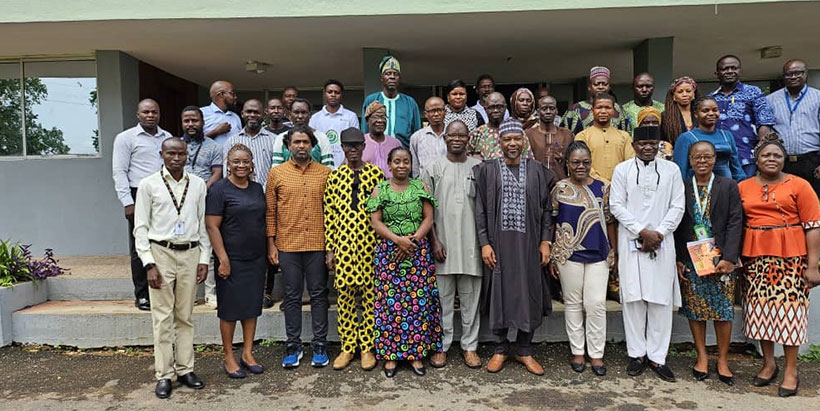
Amidst this evolution, IITA–CGIAR, in collaboration with the National Horticultural Research Institute (NIHORT), organized a three-day seminar on 6, 7, and 10 May at NIHORT headquarters, Ibadan, to facilitate the adoption of improved plantain varieties developed by a new breeding program. Accelerated Breeding Initiative (ABI) Transform West and Central Africa Coordinator Vishnuvardhan Reddy Banda, IITA Regional Breeding Manager Delphine Amah, IITA Plantain Breeder Moses Nyine, and NIHORT Assistant Director for Research Dorcas Ibitoye, led the seminar.
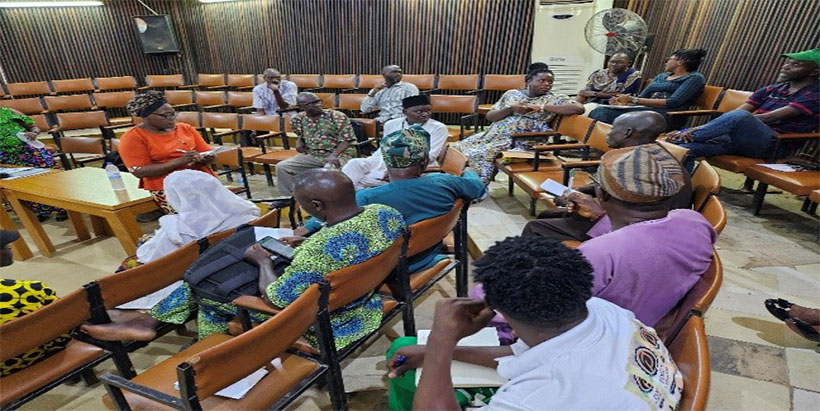
The seminar commenced with a stakeholders’ meeting involving various actors in the plantain value chain. The discussion focused on engaging stakeholders in defining market segments, understanding market shares in Nigeria, identifying target production environments, and determining high-priority traits for the new plantain varieties.
Looking at how both organizations can improve their African research, NIHORT Executive Director Dr Lawal Attanda affirmed NIHORT’s continuous support in plantain breeding programs through collaboration with IITA.
Banda introduced product design concepts, covering market segments, target production environments, and product profiles to the participants. Breakout sessions followed Banda’s presentation, leading to a consensus on segments, production environments, and desired traits for new plantain varieties.
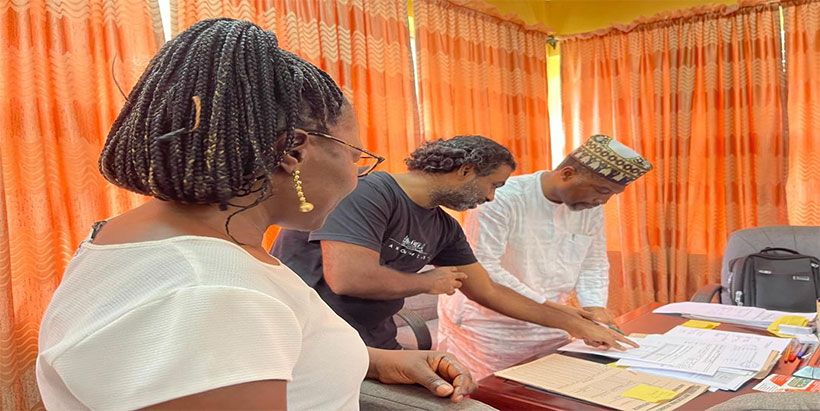
Highlighting the significance of the seminar was the endorsement of market segment and target profile documents for Nigeria, representing a collective agreement among stakeholders, as mentioned by Attanda. Additionally, Banda said the seminar would inform future engagements with CGIAR and donors to conduct further research in plantain breeding programs.
“This meeting marks the beginning of a series of similar meetings focused on establishing the West and Central Africa Plantain Breeding Network by 2025, aiming at developing improved plantain varieties tailored to the needs of specific market segments. This initiative would transform African agriculture by ensuring the effective adoption of new plantain varieties,” Banda stated.
Contributed by Anita Akinyomade
Contributed by
Recent stories