
A team of African leaders from Burundi, Kenya, Tanzania, and Ug anda under the East Africa Community (EAC) have endorsed IITA’s aflasafe—Africa’s first indigenous biocontrol product for control of aflatoxins.
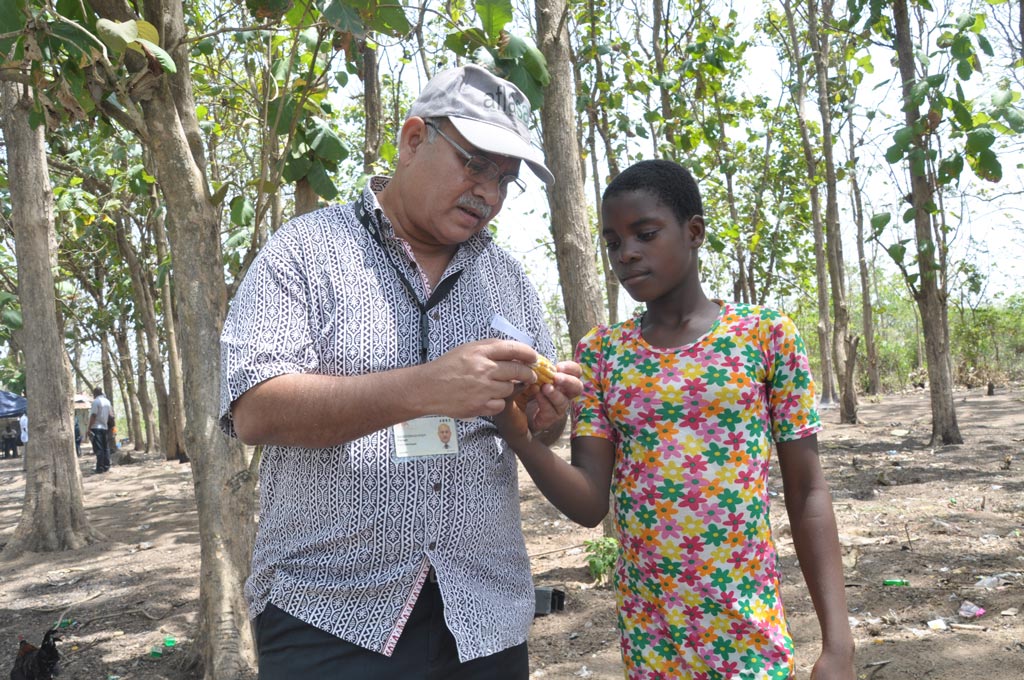
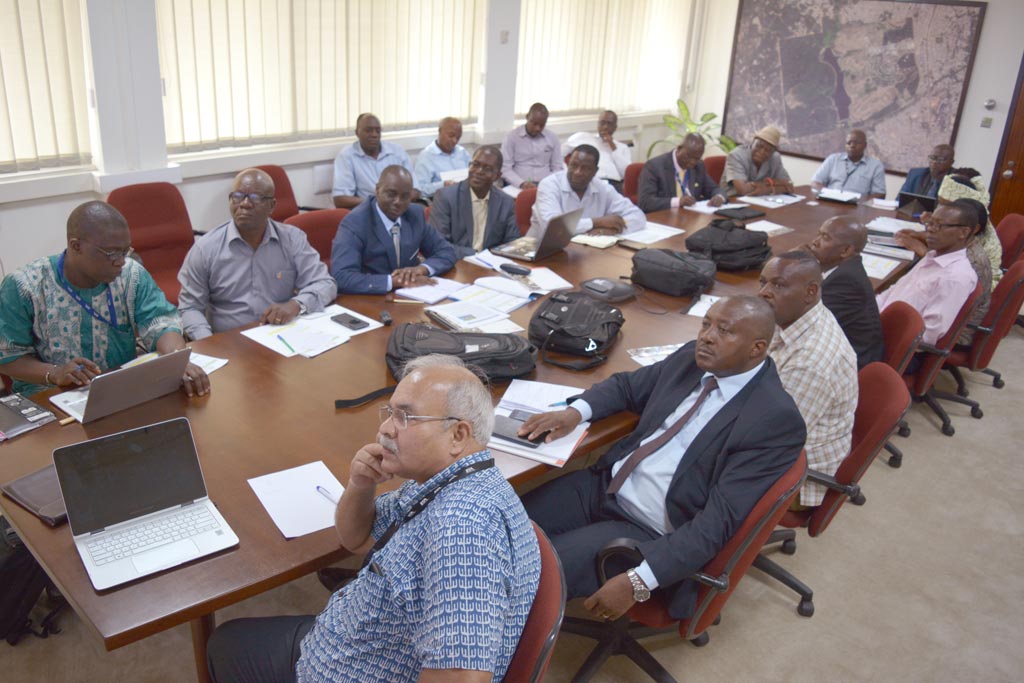
The EAC delegates spent three days, 20—22 March, on a learning visit to the Aflasafe project and also went to a local community in Ibadan to see how the product is helping maize farmers meet international st andards
and improve both their health and income.
The visit created awareness among the EAC delegates on best practices in the control of aflatoxin, as well as supporting initiatives around the biocontrol technology, and approaches to address the impact of crop aflatoxin contamination along the value chain.
According to the visitors, the decision to come and see first-h and how aflasafe is working in Nigeria will help them promote Aflasafe as a project in East Africa. “EAC intends to benefit and partner with the Aflasafe project in various areas, marketing inclusive. For instance, we now know that using aflasafe increases the value of farmers’ products, eventually boosting market prices and benefitting the economy in the long run. Keying into this project will also help improve the health of people in the countries we represent, as well as the added possibility of reducing the risk of cancer and other health burdens associated with aflatoxins,” Engr. Ladislaus Kyaruzi Leonadis, EAC member said.
Ranajit B andyopadhyay, Leader of the Aflasafe project, and Debo Ak ande, AgResults Aflasafe Pilot Manager, led the visitors to the Ijaye farm settlement where they spoke with maize farmers already using and benefitting from Aflasafe.
The Head of Ijaye Farmers Association, who spoke on behalf of other farmers, said that maize crops treated with aflasafe meet international safety st andards and that they are now able to sell that maize at a premium price.
“When Aflasafe was introduced to me, I was sceptical at first. But I went ahead and used it on a small portion on my farm and discovered during harvest that the output was far better and the yields were able to withst and the test of time. Since then, I have never stopped using the product and this time I am using it on a wider expanse of l and,” he said.
Further convinced by the testimonies heard during the field visits, the
EAC delegates during their closing meeting with Kwame Akuffo-Akoto, IITA Deputy Director General for Special Duties, said “We are anticipating a beneficial collaboration with IITA to support the eradication of aflatoxins in our countries.”
Contributed by
Recent stories