
IITA designated a Ramsar Wetland of International Importance
February 27, 2026
Ibadan, Nigeria – 24 February 2026
The International Institute of Tropical Agriculture (IITA) has been officially designated a Wetland of International Importance under the Ramsar Convention, recognizing the ecological significance of its campus landscape and its contribution to global biodiversity, water security, and climate resilience.
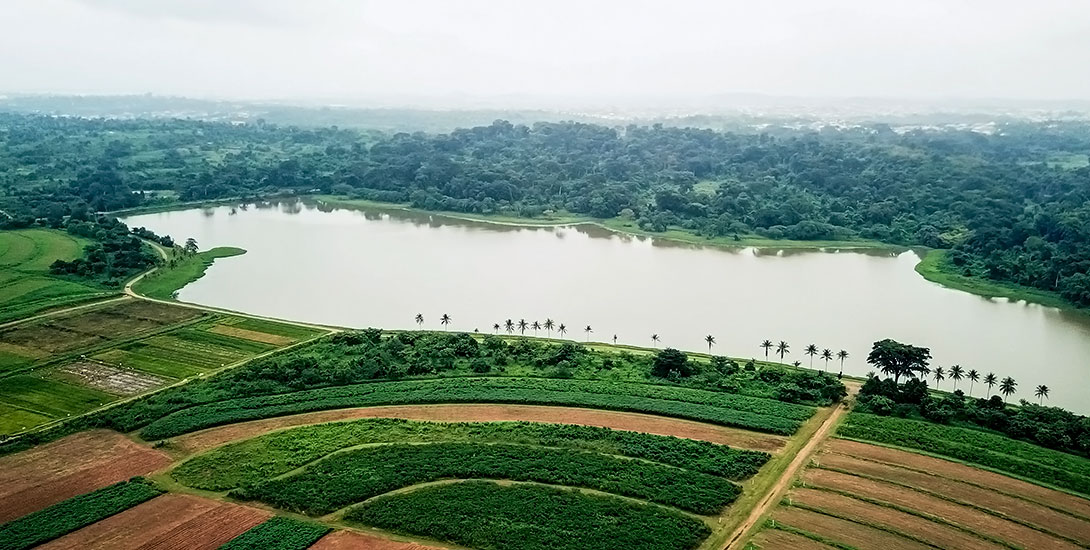 The Ramsar Convention is an international treaty dedicated to the conservation and wise use of wetlands. IITA’s inclusion in the Ramsar List places its campus among globally recognized sites that are critical for maintaining ecological balance and supporting sustainable development.
Located in Ibadan, Nigeria, the IITA campus encompasses a unique wetland ecosystem that supports diverse plant and animal species, regulates water systems, and contributes to climate mitigation. The designation highlights the global environmental value of the site and reinforces IITA’s long-standing commitment to responsible land stewardship.
Ramsar wetland sites are designated based on nine criteria regarding their international significance in ecology, botany, zoology, limnology, or hydrology. Sites must represent rare/unique wetlands or support vulnerable species, critical life stages, or substantial waterbird/fish populations. At least one criterion must be met to achieve designation. The Government of Nigeria designated IITA as a Ramsar Wetland of International Importance under the Ramsar Convention. The designation underscores Nigeria’s commitment to the conservation and sustainable management of wetlands in line with global environmental standards.
“This recognition reflects the ecological importance of our campus and strengthens our responsibility to manage it sustainably,” said Dr Simeon Ehui, Director General of IITA and Regional Director for Africa of CGIAR. “As a leading agricultural research institution, we are proud to demonstrate that scientific innovation and environmental conservation can coexist. The Ramsar designation affirms our commitment to advancing food systems transformation while protecting vital ecosystems.”
For almost six decades, IITA has conducted agricultural research aimed at improving food security, reducing poverty, and enhancing livelihoods across Africa. The Ramsar designation underscores the Institute’s integrated approach—where agricultural innovation operates within a protected natural landscape that supports biodiversity and climate resilience.
As a Ramsar site, IITA will continue to strengthen wetland management practices, biodiversity monitoring, and sustainable land-use planning across its campus. The Institute also aims to expand partnerships with environmental organizations, research institutions, policymakers, and development partners to advance conservation and nature-based solutions.
The designation presents new opportunities for collaboration in areas such as:
The Ramsar Convention is an international treaty dedicated to the conservation and wise use of wetlands. IITA’s inclusion in the Ramsar List places its campus among globally recognized sites that are critical for maintaining ecological balance and supporting sustainable development.
Located in Ibadan, Nigeria, the IITA campus encompasses a unique wetland ecosystem that supports diverse plant and animal species, regulates water systems, and contributes to climate mitigation. The designation highlights the global environmental value of the site and reinforces IITA’s long-standing commitment to responsible land stewardship.
Ramsar wetland sites are designated based on nine criteria regarding their international significance in ecology, botany, zoology, limnology, or hydrology. Sites must represent rare/unique wetlands or support vulnerable species, critical life stages, or substantial waterbird/fish populations. At least one criterion must be met to achieve designation. The Government of Nigeria designated IITA as a Ramsar Wetland of International Importance under the Ramsar Convention. The designation underscores Nigeria’s commitment to the conservation and sustainable management of wetlands in line with global environmental standards.
“This recognition reflects the ecological importance of our campus and strengthens our responsibility to manage it sustainably,” said Dr Simeon Ehui, Director General of IITA and Regional Director for Africa of CGIAR. “As a leading agricultural research institution, we are proud to demonstrate that scientific innovation and environmental conservation can coexist. The Ramsar designation affirms our commitment to advancing food systems transformation while protecting vital ecosystems.”
For almost six decades, IITA has conducted agricultural research aimed at improving food security, reducing poverty, and enhancing livelihoods across Africa. The Ramsar designation underscores the Institute’s integrated approach—where agricultural innovation operates within a protected natural landscape that supports biodiversity and climate resilience.
As a Ramsar site, IITA will continue to strengthen wetland management practices, biodiversity monitoring, and sustainable land-use planning across its campus. The Institute also aims to expand partnerships with environmental organizations, research institutions, policymakers, and development partners to advance conservation and nature-based solutions.
The designation presents new opportunities for collaboration in areas such as:
The Ramsar Convention is an international treaty dedicated to the conservation and wise use of wetlands. IITA’s inclusion in the Ramsar List places its campus among globally recognized sites that are critical for maintaining ecological balance and supporting sustainable development.
Located in Ibadan, Nigeria, the IITA campus encompasses a unique wetland ecosystem that supports diverse plant and animal species, regulates water systems, and contributes to climate mitigation. The designation highlights the global environmental value of the site and reinforces IITA’s long-standing commitment to responsible land stewardship.
Ramsar wetland sites are designated based on nine criteria regarding their international significance in ecology, botany, zoology, limnology, or hydrology. Sites must represent rare/unique wetlands or support vulnerable species, critical life stages, or substantial waterbird/fish populations. At least one criterion must be met to achieve designation. The Government of Nigeria designated IITA as a Ramsar Wetland of International Importance under the Ramsar Convention. The designation underscores Nigeria’s commitment to the conservation and sustainable management of wetlands in line with global environmental standards.
“This recognition reflects the ecological importance of our campus and strengthens our responsibility to manage it sustainably,” said Dr Simeon Ehui, Director General of IITA and Regional Director for Africa of CGIAR. “As a leading agricultural research institution, we are proud to demonstrate that scientific innovation and environmental conservation can coexist. The Ramsar designation affirms our commitment to advancing food systems transformation while protecting vital ecosystems.”
For almost six decades, IITA has conducted agricultural research aimed at improving food security, reducing poverty, and enhancing livelihoods across Africa. The Ramsar designation underscores the Institute’s integrated approach—where agricultural innovation operates within a protected natural landscape that supports biodiversity and climate resilience.
As a Ramsar site, IITA will continue to strengthen wetland management practices, biodiversity monitoring, and sustainable land-use planning across its campus. The Institute also aims to expand partnerships with environmental organizations, research institutions, policymakers, and development partners to advance conservation and nature-based solutions.
The designation presents new opportunities for collaboration in areas such as:
- Wetland conservation and restoration
- Climate-smart agriculture
- Biodiversity research and conservation
- Water resource management
- Nature-based climate solutions
Contributed by
Recent stories
No items found