
IITA launches Agribusiness Training Program for secondary schools in Oyo State
July 8, 2020
Ibadan, Nigeria – The International Institute of Tropical Agriculture (IITA), through a new initiative known as the Start Them Early Program (STEP), is introducing agribusiness training in secondary schools in Oyo State.
To promote interest in agriculture and learning among the secondary-school aged children, IITA will launch a modern agribusiness training facility at Fasola Grammar School in Fasola community, Oyo State, on 15 July 2020. His Excellency, Governor of Oyo State, Engr. Seyi Makinde will inaugurate the program and the training facility.
The STEP initiative was established in 2018 to advance agribusiness development to secondary schools in Africa. The program aims to expose young people in secondary schools to viable opportunities in agribusiness at an early stage. This is expected to help direct their aspirations towards careers in modern agriculture and as a result, breed new African agribusiness leaders.
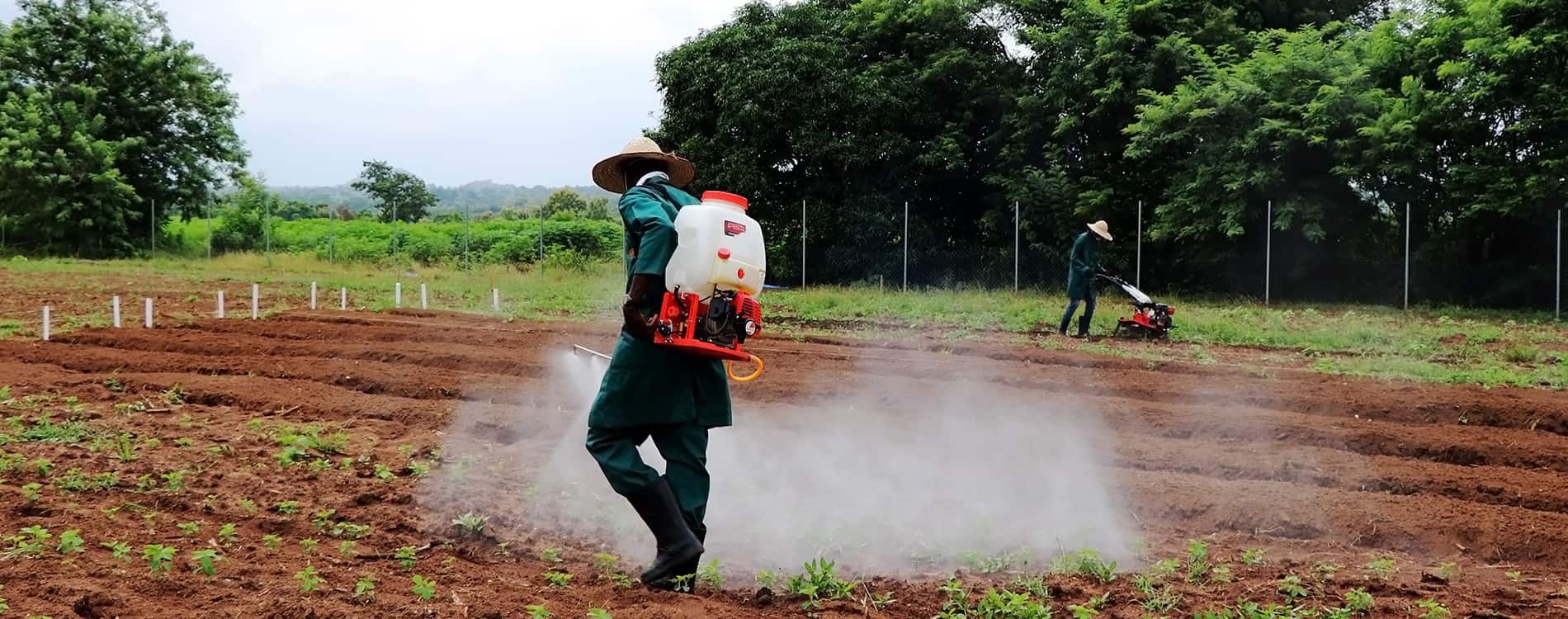 The idea for STEP came out of IITA’s efforts to ‘catch them young’ and change young people’s mindset about agriculture.
IITA has realized that young people at this age—between 11 and 18—are at a critical stage in life when they decide on livelihood paths. Hence, the need to expose them to viable and sustainable opportunities inherent in agriculture, while building their capacity to harness them well.
IITA Director General Dr Nteranya Sanginga recognized this. In 2018, as he received the Africa Food Prize award on behalf of the Institute, he promised to take a step further by engaging young people who are still in secondary school to expose them to the opportunities available across the various value chains of agriculture.
The facility in Fasola will be used by the STEP team in Nigeria to engage a selected number of students and teachers at Fasola Grammar School and train them on modern agricultural technologies, including production and value addition of agricultural commodities such as cassava, maize, soybean, poultry, and vegetables. They will also be exposed to how to use mechanization and ICTs to enhance agricultural productivity, with serious implications towards agricultural transformation.
The idea for STEP came out of IITA’s efforts to ‘catch them young’ and change young people’s mindset about agriculture.
IITA has realized that young people at this age—between 11 and 18—are at a critical stage in life when they decide on livelihood paths. Hence, the need to expose them to viable and sustainable opportunities inherent in agriculture, while building their capacity to harness them well.
IITA Director General Dr Nteranya Sanginga recognized this. In 2018, as he received the Africa Food Prize award on behalf of the Institute, he promised to take a step further by engaging young people who are still in secondary school to expose them to the opportunities available across the various value chains of agriculture.
The facility in Fasola will be used by the STEP team in Nigeria to engage a selected number of students and teachers at Fasola Grammar School and train them on modern agricultural technologies, including production and value addition of agricultural commodities such as cassava, maize, soybean, poultry, and vegetables. They will also be exposed to how to use mechanization and ICTs to enhance agricultural productivity, with serious implications towards agricultural transformation.
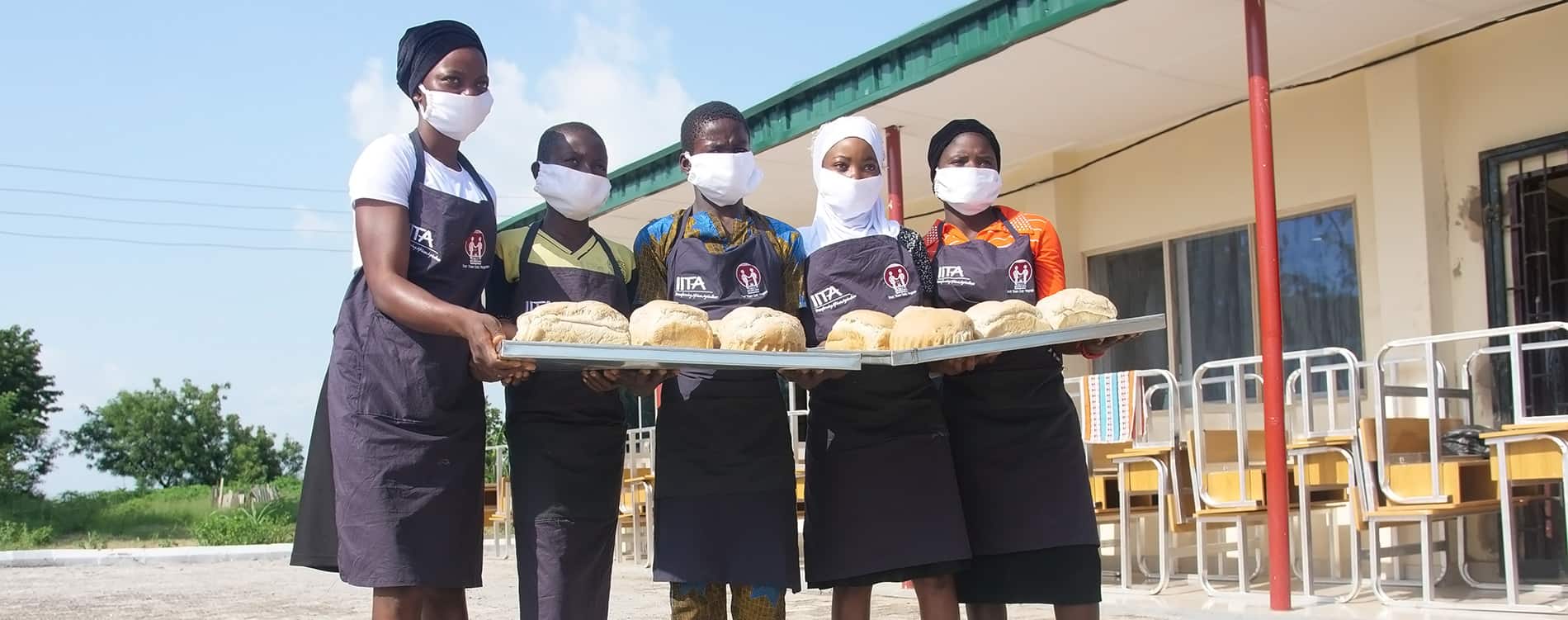 Fasola Grammar School is one of the three schools where IITA is implementing the program in Nigeria. The other selected schools are Oluponna High School in Iwo Osun State and Lead City International School in Ibadan, Oyo State.
Speaking on the impact of the program so far, STEP Program Coordinator Adedayo Adefioye said that STEP, which is also implemented in DR Congo and Kenya, has recorded a measurable change in mindset of the beneficiaries about agriculture.
“In Nigeria, we have trained over nine school instructors and established nine student agribusiness clubs and 27 pilot agribusiness enterprises. Also, over 1,000 students have now been registered and trained in agribusiness through the clubs,” said Adefioye.
To achieve the program objectives, STEP has adopted a hands-on approach based on experiential learning activities. This approach involves coursework in a formal curricular setting, the establishment of an extracurricular club, and the operation of pilot agribusiness enterprises.
The initial operations of the program, including its pilot phase, are funded by the International Development Research Centre (IDRC) for two years in three countries—DR Congo, Kenya, and Nigeria, under the project titled “Building the Next Generation of Agribusiness Leaders in Africa.”
Hashtags: #STEPnigeria, #CatchThemYoung, @startthemearly_, @IITAYOUTHAGRIP
Fasola Grammar School is one of the three schools where IITA is implementing the program in Nigeria. The other selected schools are Oluponna High School in Iwo Osun State and Lead City International School in Ibadan, Oyo State.
Speaking on the impact of the program so far, STEP Program Coordinator Adedayo Adefioye said that STEP, which is also implemented in DR Congo and Kenya, has recorded a measurable change in mindset of the beneficiaries about agriculture.
“In Nigeria, we have trained over nine school instructors and established nine student agribusiness clubs and 27 pilot agribusiness enterprises. Also, over 1,000 students have now been registered and trained in agribusiness through the clubs,” said Adefioye.
To achieve the program objectives, STEP has adopted a hands-on approach based on experiential learning activities. This approach involves coursework in a formal curricular setting, the establishment of an extracurricular club, and the operation of pilot agribusiness enterprises.
The initial operations of the program, including its pilot phase, are funded by the International Development Research Centre (IDRC) for two years in three countries—DR Congo, Kenya, and Nigeria, under the project titled “Building the Next Generation of Agribusiness Leaders in Africa.”
Hashtags: #STEPnigeria, #CatchThemYoung, @startthemearly_, @IITAYOUTHAGRIP
The idea for STEP came out of IITA’s efforts to ‘catch them young’ and change young people’s mindset about agriculture.
IITA has realized that young people at this age—between 11 and 18—are at a critical stage in life when they decide on livelihood paths. Hence, the need to expose them to viable and sustainable opportunities inherent in agriculture, while building their capacity to harness them well.
IITA Director General Dr Nteranya Sanginga recognized this. In 2018, as he received the Africa Food Prize award on behalf of the Institute, he promised to take a step further by engaging young people who are still in secondary school to expose them to the opportunities available across the various value chains of agriculture.
The facility in Fasola will be used by the STEP team in Nigeria to engage a selected number of students and teachers at Fasola Grammar School and train them on modern agricultural technologies, including production and value addition of agricultural commodities such as cassava, maize, soybean, poultry, and vegetables. They will also be exposed to how to use mechanization and ICTs to enhance agricultural productivity, with serious implications towards agricultural transformation.
Fasola Grammar School is one of the three schools where IITA is implementing the program in Nigeria. The other selected schools are Oluponna High School in Iwo Osun State and Lead City International School in Ibadan, Oyo State.
Speaking on the impact of the program so far, STEP Program Coordinator Adedayo Adefioye said that STEP, which is also implemented in DR Congo and Kenya, has recorded a measurable change in mindset of the beneficiaries about agriculture.
“In Nigeria, we have trained over nine school instructors and established nine student agribusiness clubs and 27 pilot agribusiness enterprises. Also, over 1,000 students have now been registered and trained in agribusiness through the clubs,” said Adefioye.
To achieve the program objectives, STEP has adopted a hands-on approach based on experiential learning activities. This approach involves coursework in a formal curricular setting, the establishment of an extracurricular club, and the operation of pilot agribusiness enterprises.
The initial operations of the program, including its pilot phase, are funded by the International Development Research Centre (IDRC) for two years in three countries—DR Congo, Kenya, and Nigeria, under the project titled “Building the Next Generation of Agribusiness Leaders in Africa.”
Hashtags: #STEPnigeria, #CatchThemYoung, @startthemearly_, @IITAYOUTHAGRIP
About IITA
The International Institute of Tropical Agriculture (IITA) is a not-for-profit institution that generates agricultural innovations to meet Africa’s most pressing challenges of hunger, malnutrition, poverty, and natural resource degradation. Working with various partners across sub-Saharan Africa, we improve livelihoods, enhance food and nutrition security, increase employment, and preserve natural resource integrity. IITA is a member of CGIAR, a global agriculture research partnership for a food-secure future. Media contacts: Adetola Adenmosun, IITA Youth Agripreneurs lead, a.adenmosun@cgiar.org Katherine Lopez, Head of Communication, k.lopez@cgiar.orgContributed by
Recent stories
No items found